
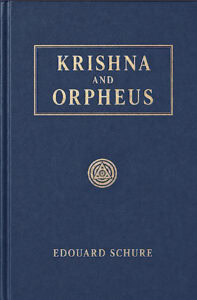
Krishna and Orpheus
Édouard Schuré
View PublicationPublication Subject
Few publishers have had a greater influence on the modern revival of Hermetic philosophy than the Yogi Publication Society. Through its publication of The Kybalion in 1908—now regarded as one of the most influential and widely read books on Hermeticism—the Society introduced millions of readers to the core ideas of the Hermetic tradition.
Hermeticism is an ancient philosophical and spiritual tradition based on writings attributed to the legendary sage Hermes Trismegistus, a mythical figure combining the Greek god Hermes with the Egyptian god Thoth (the deity of wisdom, writing, and sacred knowledge). Emerging in Hellenistic Egypt between the first and third centuries CE, Hermeticism united Egyptian religion, Greek philosophy, and Platonic metaphysics into a system that sought to explain the nature of God, the universe, and humanity’s role within it. At its heart is the belief that the cosmos is a living expression of the Divine and that human beings, through spiritual discipline and direct experience, can attain gnosis—a transformative knowledge of their divine origin.
The Hermetic writings are traditionally divided into two branches. The Philosophical Hermetica, most notably the Corpus Hermeticum and the Divine Pymander, explores theology, cosmology, the nature of the soul, and the path of spiritual regeneration. The Technical Hermetica centers on practical arts associated with Hermetic wisdom, including alchemy, astrology, magic, divine geometry, and the occult properties of nature. Together, these works portray the universe as an ordered, intelligent whole governed by immutable spiritual laws.
Central to Hermetic philosophy is the idea that humanity is a microcosm of the greater universe. Each person possesses a mortal physical body and an immortal divine soul, making humanity the bridge between the material and spiritual worlds. The famous Hermetic maxim “As above, so below” expresses this relationship, teaching that the same patterns and principles operate throughout every level of existence. Spiritual progress comes through knowing these universal correspondences, purifying the soul of ignorance and selfish desire, and cultivating wisdom, virtue, meditation, contemplation, and union with the Divine Mind (or Nous).
Hermeticism largely disappeared from Western Europe after late antiquity but was preserved in the Byzantine and Islamic worlds until the Renaissance. In the fifteenth century, the Italian scholar Marsilio Ficino translated the Corpus Hermeticum into Latin, believing it contained some of humanity’s oldest and most sacred wisdom. These writings strongly influenced Renaissance philosophy, alchemy, natural science, and Christian mysticism, influencing generations of scholars, artists, and philosophers. Their tradition carried on through organizations such as the Rosicrucians and the Hermetic Order of the Golden Dawn, while modern authors—including the writers behind The Kybalion—adapted Hermetic ideas for new audiences.
Édouard Schuré
View Publication
Three Initiates
View Publication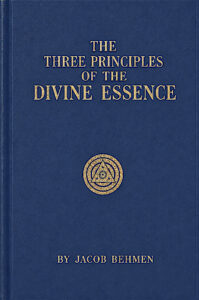
Jacob Behmen
View Publication
Rudolf Steiner
View Publication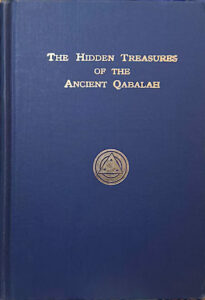
Elias Gewurz
View Publication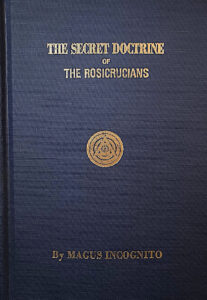
Magus Incognito
View Publication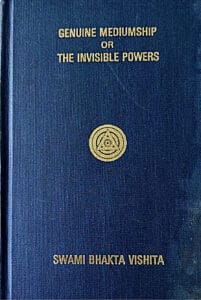
Swami Bhakta Vishita
View Publication
Elias Gewurz
View Publication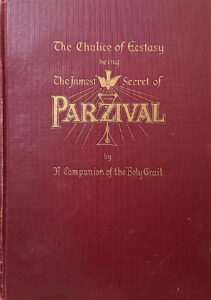
Frater Achad
View Publication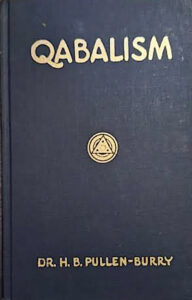
Dr. H. B. Pullen-Burry
View Publication
Aleister Crowley
View Publication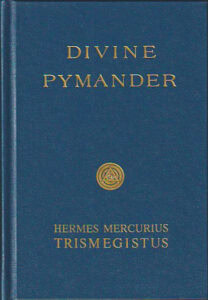
Hermes Mercurius Trismegistus
View Publication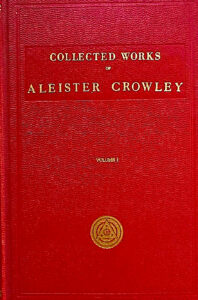
Aleister Crowley
View Publication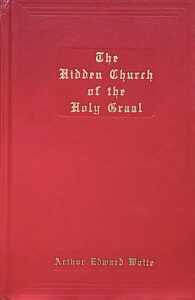
Arthur Edward Waite
View Publication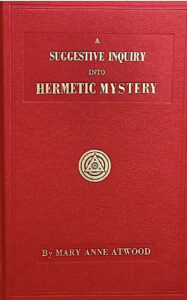
Mary Anne Atwood
View Publication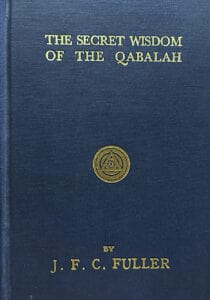
John Frederick Charles Fuller
View Publication