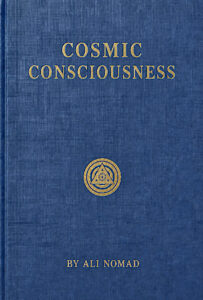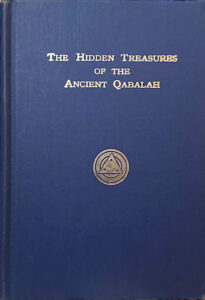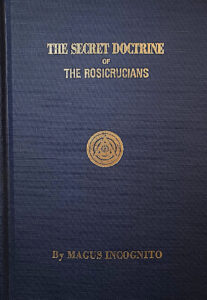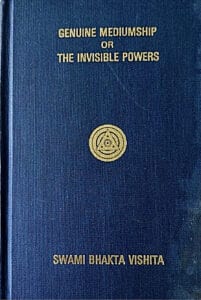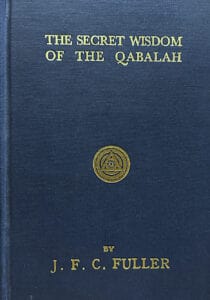
Hermeticism is one of the central traditions in the history of Western esotericism and one of the most important historical backgrounds for understanding the occult literature published by the Yogi Publication Society. Its name comes from Hermes Trismegistus, the legendary sage whose identity joined the Greek Hermes with the Egyptian Thoth. Writings attributed to Hermes circulated for centuries on God, creation, mind, the cosmos, spiritual rebirth, astrology, magic, alchemy, medicine, and the hidden relationships connecting humanity with the universe.
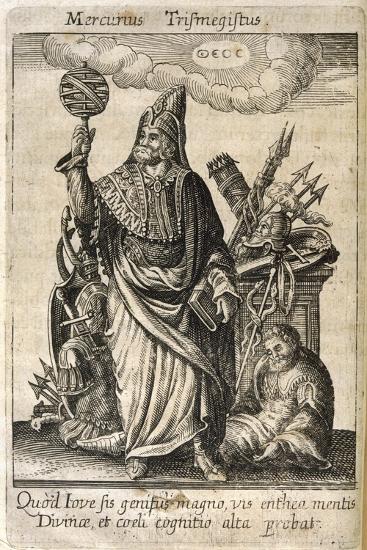
These writings did not originate as one unified doctrine. They became the foundation for a long Hermetic tradition whose meaning changed as it passed through late antiquity, the Islamic world, medieval Europe, the Renaissance, Christian esotericism, Rosicrucianism, occultism, and the mental and metaphysical movements of the nineteenth and early twentieth centuries.
Hermeticism is especially important to the Yogi Publication Society because one of its most enduring publications, The Kybalion, published in 1908 under the name of the Three Initiates, explicitly presented itself as a study of Hermetic philosophy.
Yet the Hermeticism of The Kybalion belongs to a history stretching back nearly two thousand years. Between the ancient Hermetic writings and the YPS book stood centuries of reinterpretation involving alchemy, astrology, Christian mysticism, Qabalah, Rosicrucian philosophy, magic, Theosophy, New Thought, mental science, and occult interpretations of contemporary scientific ideas. Understanding this history makes it possible to identify both the ancient inheritance behind modern Hermeticism and the changes that occurred before that inheritance reached the intellectual world surrounding YPS.
What Is Hermeticism?
Hermeticism takes its name from a large body of writings attributed to Hermes Trismegistus. These works are commonly called the Hermetica. They include philosophical and religious texts concerned with God, creation, mind, humanity, spiritual knowledge, and regeneration, along with technical writings dealing with astrology, magic, medicine, alchemy, and related subjects.
Modern scholarship commonly distinguishes between the philosophical or religious Hermetica and the technical Hermetica. This distinction is useful for understanding the surviving literature, although the intellectual worlds represented by these writings often overlap. Both assume a cosmos filled with meaningful relationships and hidden forces. Human beings occupy a special position within that cosmos because they possess both material and divine dimensions and can potentially acquire knowledge of the higher reality from which they came.
The philosophical Hermetica often describe spiritual knowledge as a form of awakening. Ordinary perception leaves humanity bound to the material world and its passions. Knowledge of God, Mind, and the true nature of humanity permits a transformation of consciousness. The individual discovers a divine origin and begins an ascent toward the source of existence.
This emphasis upon knowledge gave Hermetic spirituality one of its most persistent characteristics. Knowledge was transformative. To know the structure of reality was also to understand the human being’s place within it. Centuries later, this idea would become extremely adaptable to occult systems that promised mastery through understanding universal laws.
Who Was Hermes Trismegistus?
Hermes Trismegistus was a legendary figure created through the cultural identification of the Greek god Hermes with the Egyptian god Thoth. Hermes was associated with communication, interpretation, knowledge, boundaries, and divine messages. Thoth was associated with writing, wisdom, calculation, sacred knowledge, and the ordering of the cosmos.
In the Greek-Egyptian environment of Hellenistic and Roman Egypt, the two figures became closely identified. From this fusion developed Hermes Trismegistus, Hermes the “Thrice-Great.” He came to be regarded as an ancient sage who had received or preserved primordial knowledge concerning God, nature, the heavens, humanity, and the hidden sciences.
Later traditions greatly expanded his identity. Hermes could be described as an Egyptian priest, philosopher, king, prophet, magician, alchemist, or ancient teacher who had lived before the Greek philosophers. Some Christian writers attempted to place him within biblical chronology. Islamic traditions sometimes connected Hermes with Idris and Enoch. Renaissance writers regarded him as one of the ancient custodians of divine wisdom.
The historical importance of Hermes lies less in identifying one human individual behind the name than in understanding the authority the name acquired. To attribute a teaching to Hermes was to connect it with an imagined source of ancient wisdom. Hermetic authorship became a lineage.
This feature of Hermetic literature has an interesting later parallel in the extensive use of pseudonymous literary identities throughout Western esoteric publishing. Authority could be constructed through a name that represented a teaching tradition larger than the publicly identifiable individual standing behind a text.
Where Did the Hermetic Writings Come From?
The surviving philosophical Hermetic writings were produced primarily in Roman Egypt during the first centuries of the Common Era. They arose in an environment where Egyptian religion, Greek philosophy, astrology, mystery traditions, Judaism, Christianity, and other currents interacted.
Greek philosophical influence is readily visible. Platonism and Stoicism supplied concepts and terminology used to discuss God, Mind, soul, matter, creation, and the structure of the cosmos. Egyptian religious elements also shaped the authority and setting of the literature. Hermes appears as an Egyptian bearer of sacred wisdom even though most of the surviving philosophical texts were written in Greek.
The Hermetica often take the form of dialogues. Hermes teaches a disciple such as Tat, Asclepius, or Ammon. In other texts Hermes himself receives a revelation from a divine intelligence. Knowledge passes from teacher to student through initiation, instruction, contemplation, and revelation.
This literary structure established an enduring image of Hermetic knowledge as something transmitted through an initiatory chain. The teaching was not presented merely as abstract philosophy. It was knowledge capable of changing the person who received it.
.
What Is the Corpus Hermeticum?
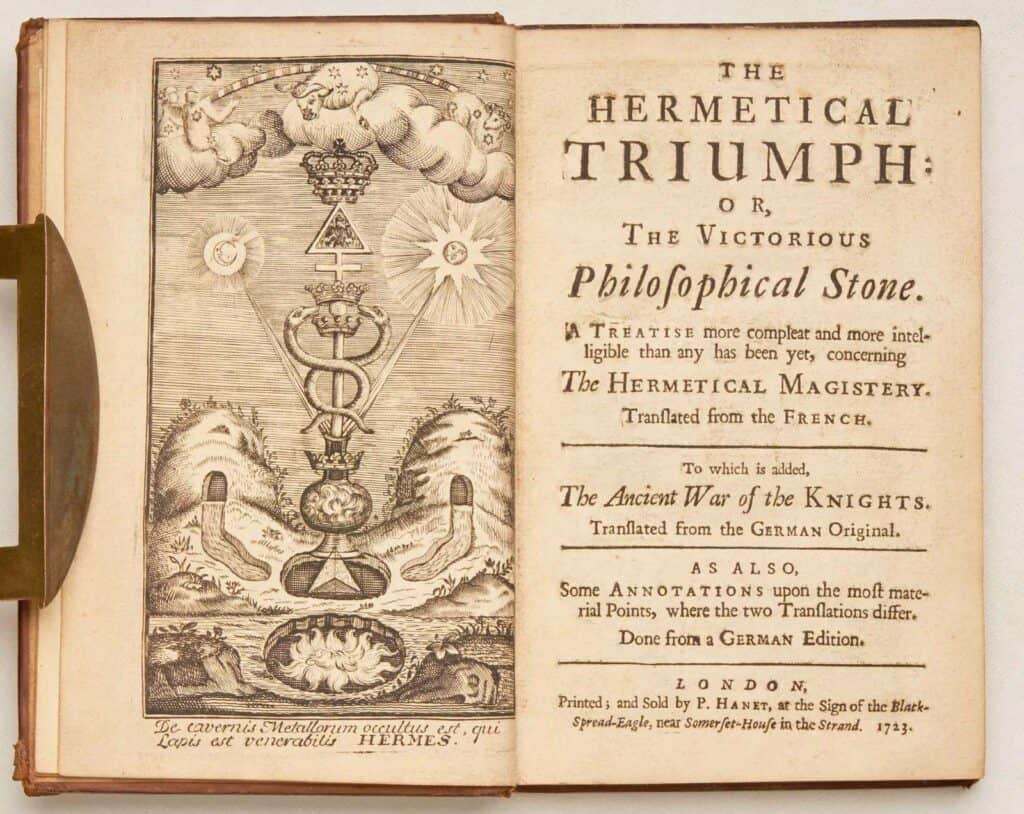
The Corpus Hermeticum is a collection of Greek treatises attributed to Hermes Trismegistus. The collection contains discussions of God, creation, Mind, humanity, knowledge, the soul, spiritual rebirth, and the relationship between the human and divine worlds.
One of the best-known texts is the Poimandres, in which Hermes encounters a divine being identified with Mind. Hermes receives a vision of creation and learns about humanity’s divine origin, embodiment, and possible return toward the divine. Humanity occupies an extraordinary position because the human being belongs to both the spiritual and material orders.
This dual position becomes central to Hermetic anthropology. The human being is physically situated within nature while possessing a relationship with divine Mind. Knowledge permits the individual to recognize that higher origin.
Other Hermetic treatises develop themes of rebirth, purification, knowledge, divine Mind, and ascent. The initiate undergoes an inner transformation through which ordinary consciousness is replaced by a direct understanding of divine reality.
The language is religious and philosophical, but its underlying structure would become highly influential within later esoteric traditions. Humanity contains unrealized possibilities. Ordinary consciousness represents only one condition. Knowledge changes the individual. Higher levels of reality can be approached through disciplined transformation.
These themes made the Hermetica highly adaptable when they were rediscovered and reinterpreted in later centuries.
What Is the Asclepius?
The Asclepius is another major Hermetic work. Although its complete Greek text has not survived, an important Latin version preserved the work in medieval Europe.
The text presents a dialogue involving Hermes and Asclepius and discusses God, humanity, the cosmos, religion, divine powers, and the relationship between spiritual and material existence. It contains one of the strongest expressions of the elevated Hermetic conception of humanity.
Human beings are presented as occupying a middle position within creation. They can contemplate the divine while also acting within the material world. Humanity possesses the ability to understand, imitate, and participate in the creative operations of nature.
This concept became extremely important to later Hermetic thought. The human being was a microcosm, a small world reflecting the greater cosmos. Knowledge of the self and knowledge of the universe could thus become connected pursuits.
The Asclepius also contributed to the Renaissance fascination with Hermetic magic because of passages concerning statues animated through spiritual powers. For Renaissance readers, such material supported the idea that ancient Egyptian religion possessed knowledge of hidden correspondences connecting spirit, stars, matter, and human action.
What Does “As Above, So Below” Mean?
Few expressions are more closely associated with modern Hermeticism than “as above, so below.” The exact familiar wording developed through the long transmission and translation of a statement from the Emerald Tablet, a short Hermetic text that became immensely influential in medieval and early modern alchemy.
The underlying idea is correspondence. Different levels of reality reflect or correspond with one another. The celestial and terrestrial worlds are connected. Processes occurring at one level may reveal the operation of principles existing at another.
This concept helped support the microcosm–macrocosm relationship. The human being could be understood as a miniature reflection of the universe. The planets, elements, bodily functions, metals, spiritual powers, and states of consciousness could be organized into systems of correspondence.
Correspondence became one of the great organizing principles of Western esotericism. Astrology depended upon relationships between celestial and earthly events. Alchemy linked metals with planets and material processes with cosmic forces. Magic developed systems of colors, numbers, plants, stones, divine names, planets, and spiritual beings connected through hidden affinities. Later occult Qabalism constructed enormous tables of correspondences through which multiple traditions could be related.
This long history is crucial when approaching The Kybalion. Its Principle of Correspondence belongs to a recognizable Hermetic inheritance, even though the book develops that inheritance through a distinctly modern system of physical, mental, and spiritual planes.
What Was the Emerald Tablet?
The Emerald Tablet, or Tabula Smaragdina, is one of the most famous texts associated with Hermes Trismegistus. It is extremely short compared with the Corpus Hermeticum, yet its influence on alchemy and later Hermetic philosophy was immense.

The earliest known forms of the text survive in Arabic sources, from which it entered Latin Europe. It was attributed to Hermes and interpreted as a compressed statement of the secrets of nature and alchemical transformation.
Its language describes unity, correspondence, generation, separation, ascent, descent, and the operation of cosmic powers. Alchemists read it as containing the secret of the Great Work. Later occultists treated it as a foundational statement of Hermetic philosophy.
The Emerald Tablet also demonstrates an important feature of the Hermetic tradition. A small ancient or medieval text could generate centuries of commentary and interpretation. Each period discovered new meanings within its compressed language.
By the nineteenth century, Hermetic ideas associated with the Tablet had become part of an enormous esoteric inheritance. Correspondence between above and below, the unity underlying apparent multiplicity, and the transformation of one condition into another could be detached from the original alchemical setting and incorporated into new occult systems.
How Did Hermeticism Become Connected with Alchemy?
Alchemy became so closely associated with Hermes that it was frequently called the Hermetic Art. Hermes was presented as an ancient master of the secrets through which nature could be understood and transformed.
Alchemy and Hermetic philosophy shared several compatible ideas. Nature contained hidden powers. Visible matter expressed deeper principles. The cosmos formed an interconnected system. Transformation followed laws that could be discovered. Human beings could acquire knowledge of those laws and consciously participate in natural processes.
Alchemical symbolism expanded this worldview. Sun and moon, sulfur and mercury, male and female, volatile and fixed, spirit and body, above and below became paired principles whose interaction produced transformation. The alchemist separated, purified, recombined, and perfected substances.
Over time these operations acquired increasingly rich spiritual interpretations. The transformation of base metals into gold could become an image of human transformation. The Philosopher’s Stone could represent perfection, divine wisdom, regeneration, or spiritual illumination. The laboratory became capable of representing the human being.
This idea of transformation would later prove crucial when Hermetic language entered modern mental philosophy. Once transmutation could describe the transformation of the person, it could also describe the transformation of thought.
.
How Did Hermeticism Enter the Islamic World?
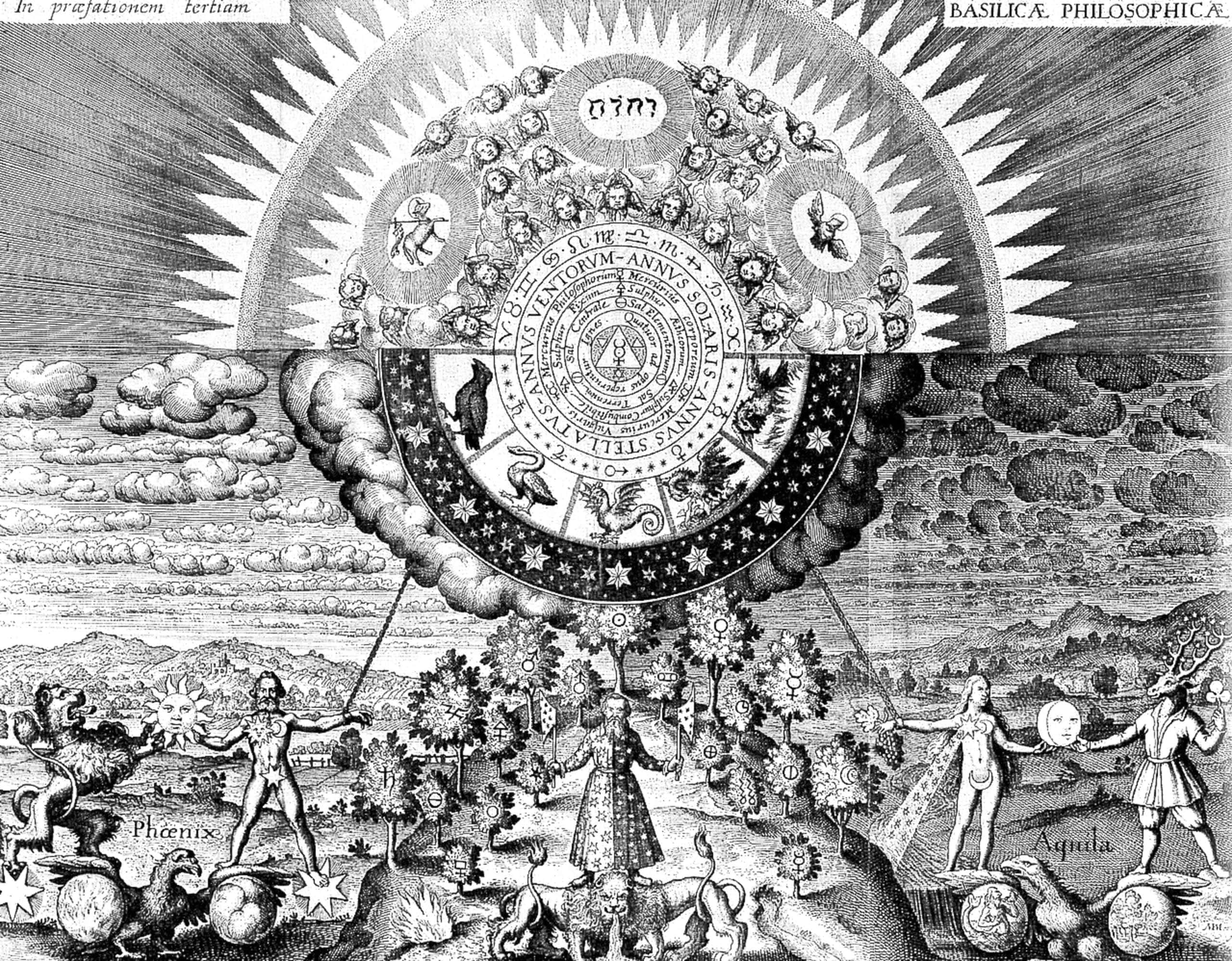
Hermetic writings entered the Islamic intellectual world through translations and traditions concerning ancient philosophy, astrology, medicine, magic, and alchemy. Hermes acquired an important position within Arabic accounts of ancient wisdom.
Some Islamic writers identified Hermes with Idris, who was also associated with the biblical Enoch. Traditions developed around multiple figures called Hermes, each representing different stages in the transmission of ancient knowledge.
Arabic Hermetic literature included astrology, alchemy, magic, philosophy, and occult sciences. The Hermetic inheritance was preserved and transformed within Islamic intellectual culture before portions of it entered Latin Europe.
This route is important because the Hermetic tradition reaching medieval and Renaissance Europe was not transmitted through a single uninterrupted collection of Greek philosophical texts. Different Hermetic materials traveled through different languages and intellectual environments. The Emerald Tablet, for example, reached medieval Latin readers through Arabic transmission.
The Hermetic tradition was already layered before the European Renaissance began its celebrated rediscovery of Hermes.
How Did Renaissance Europe Rediscover Hermes?
One of the decisive moments in the history of Hermeticism occurred during the Italian Renaissance. In the fifteenth century, Greek manuscripts containing Hermetic treatises reached Florence and attracted the attention of the Medici circle. Marsilio Ficino translated the Hermetic writings into Latin. His translation, published in 1471, made the philosophical Hermetica widely accessible to educated European readers. Renaissance scholars believed the writings of Hermes Trismegistus were extremely ancient. Hermes was often placed before Plato and sometimes close to the time of Moses. This made him appear to be a witness to a primordial theology that had existed before classical Greek philosophy and Christianity.
The idea of prisca theologia, an ancient theology, became closely associated with Renaissance Hermeticism. Divine truth was believed to have been revealed to humanity in remote antiquity and preserved through a chain of sages. Hermes could stand near the beginning of that chain.
For Christian Hermeticists, similarities between Hermetic texts and Christian ideas seemed to confirm the antiquity of Christian truth. Hermes could be presented as a pagan prophet who had glimpsed doctrines later fulfilled in Christianity. This interpretation gave Hermetic writings enormous prestige.
How Did the Dating of the Hermetic Texts Change Their Reputation?
The Renaissance belief in the extreme antiquity of the philosophical Hermetica was challenged in the early seventeenth century by the scholar Isaac Casaubon. Through linguistic and historical analysis, Casaubon argued that the texts belonged to the early centuries of the Common Era and could not have been written by an ancient Egyptian sage who lived before Moses.
This changed the historical understanding of the Corpus Hermeticum. Hermes could no longer be treated by critical scholarship as the literal author of texts composed in remote Egyptian antiquity. The Hermetic tradition did not disappear.
Its philosophical, religious, magical, and symbolic ideas had already become deeply integrated into European esotericism. Hermeticism continued through alchemy, Christian mysticism, Rosicrucianism, occult philosophy, magic, and later esoteric movements. The authority of Hermes increasingly became symbolic and traditional. Hermes represented a lineage of wisdom even when the historical dating of the surviving texts had changed.
That distinction becomes important again when examining The Kybalion. Its invocation of Hermes functions as an appeal to a Hermetic teaching tradition. Historical questions about when particular doctrines entered that tradition must be investigated separately from the literary claim that they descend from Hermes.
How Did Hermeticism Become Connected with Christianity?
Renaissance Hermeticism developed in a predominantly Christian intellectual environment. Thinkers such as Ficino did not generally regard Hermetic wisdom as a competing religion. They attempted to understand ancient philosophy within a Christian worldview.
Hermetic teachings concerning one supreme God, divine Mind, creation, spiritual rebirth, and humanity’s relationship with the divine could be read through Christian categories. Hermes could even be treated as an ancient pagan witness who anticipated elements of Christian revelation. This produced a rich interaction between Hermeticism and Christian mysticism. Concepts of regeneration, illumination, purification, divine knowledge, and ascent could move between the traditions.
Christian alchemy intensified the relationship. The death and resurrection of substances could be interpreted through Christian symbolism. The Philosopher’s Stone could be associated with Christ. Purification in the laboratory could mirror purification of the soul. Hermeticism thus became capable of operating inside Christian culture while preserving its own language of hidden wisdom, correspondence, cosmic order, and transformation.
How Did Hermeticism Become Connected with Qabalah?
The Renaissance also witnessed the development of Christian interpretations of Jewish Kabbalah. Thinkers including Giovanni Pico della Mirandola attempted to combine Kabbalistic concepts with Christianity, Platonism, and Hermetic philosophy.
Over the following centuries, Qabalah became one of the major components of Western occult systems. The Tree of Life, Hebrew divine names, numerical interpretation, angelic hierarchies, and theories of creation were increasingly integrated with astrology, alchemy, magic, and Hermetic philosophy.
This produced what later occultists often called Hermetic Qabalah or Hermetic Qabalism.
Correspondence made such combinations possible. Planets could correspond with metals, colors, numbers, divine names, angels, elements, parts of the human body, and states of consciousness. A symbolic system could connect multiple levels of reality.
By the nineteenth century, Qabalism had become one of the principal frameworks through which Western occultists organized other esoteric traditions. Hermeticism increasingly meant a synthetic system drawing upon many sources instead of a strict continuation of the philosophical teachings found in the ancient Corpus Hermeticum.
How Did Hermeticism Become Connected with Rosicrucianism?
The Rosicrucian manifestos of the early seventeenth century appeared within a culture already shaped by Hermetic philosophy, Paracelsian medicine, alchemy, Christian mysticism, astrology, and movements seeking religious and intellectual reform.

The mysterious fraternity described in the Fama Fraternitatis and Confessio Fraternitatis possessed hidden knowledge capable of transforming human understanding. The Chymical Wedding of Christian Rosenkreutz used extensive alchemical and initiatory imagery.
Rosicrucian traditions later became closely connected with Hermeticism. Organizations claiming Rosicrucian descent or inspiration developed systems combining alchemy, Qabalah, Christian symbolism, initiation, magic, astrology, and Hermetic philosophy.
This relationship has a direct connection with the network from which the Yogi Publication Society developed. Herbert A. Parkyn, founder of the Chicago School of Psychology, was a member of J. C. F. Grumbine’s Order of the White Rose, a Rosicrucian order.
Parkyn’s membership is important because it establishes a direct Rosicrucian connection within the network itself. The later appearance of Hermetic and Rosicrucian subjects around YPS did not occur in an environment limited to New Thought or interpretations of Indian philosophy. Western esoteric currents were already present within the people and organizations surrounding the enterprise.
What Happened to Hermeticism During the Nineteenth-Century Occult Revival?
The nineteenth century produced an extensive revival and reconstruction of Western occult traditions. Old works on magic, alchemy, Rosicrucianism, Qabalah, astrology, and Hermetic philosophy were translated, republished, collected, and interpreted. New occult organizations attempted to organize these materials into systematic teachings.
Hermeticism became one of the major labels under which this synthesis occurred.
This nineteenth-century Hermeticism included far more than the ancient Hermetic texts. It absorbed ceremonial magic, Qabalah, alchemy, Tarot, astrology, Rosicrucianism, theories of spiritual planes, occult correspondences, psychic development, and ideas about hidden forces within nature and the human being.
The Hermetic Order of the Golden Dawn provides one of the clearest examples of this synthetic tendency. Its teachings combined Qabalah, Egyptian symbolism, astrology, Tarot, alchemy, magic, elemental theory, and initiation within a system described as Hermetic.
Hermeticism had become a language through which many branches of Western occultism could be organized.
This expanded meaning is vital when reading early twentieth-century works described as Hermetic. Their authors did not necessarily mean the philosophical system contained in the Corpus Hermeticum. “Hermetic” could signify a vast esoteric inheritance attributed to Hermes and developed through centuries of occult interpretation.
What Role Did Theosophy Play in Modern Hermeticism?
Theosophy helped create an intellectual environment in which Western esoteric traditions could be compared and combined with Asian religious and philosophical traditions.
Theosophical literature discussed planes of existence, reincarnation, Karma, occult development, hidden masters, subtle bodies, psychic powers, spiritual evolution, and ancient wisdom traditions. Western occultists increasingly interpreted Hermeticism within this expanded comparative framework.
At the same time, American and European interest in Indian philosophy increased through figures including Swami Vivekananda. Concepts drawn from Hindu philosophy, Yoga, Vedanta, Theosophy, Hermeticism, and Western occultism began appearing beside one another in books, magazines, lecture courses, and correspondence schools.
This created the cultural environment in which a publisher could issue works on Yoga, mental science, psychic development, Hermetic philosophy, Rosicrucian teachings, reincarnation, and personal power to overlapping audiences.
That environment is central to understanding YPS.
How Did New Thought and Mental Science Change Hermeticism?
The late nineteenth century introduced another major influence into modern Hermetic thought. Mental healing, New Thought, suggestion, personal development, and occult psychology placed increasing emphasis upon the power of thought and the possibility of deliberately changing mental states.
This altered the way older Hermetic ideas could be interpreted.
The Hermetic universe had long been understood as an interconnected cosmos. Mental science supplied a new emphasis upon consciousness as an active force within that cosmos. Correspondence could be applied to physical, mental, and spiritual levels. Alchemical transmutation could become mental transmutation. Vibration could be extended from physical phenomena to thoughts and emotions. Polarity could become a method for describing opposing mental states.
The intellectual environment surrounding Parkyn is especially important here. Parkyn had taught suggestion since 1895 and established the Chicago School of Psychology in 1896. His 1898 Special Mail Course in Hypnotism and Suggestive Therapeutics taught the deliberate use of suggestion and auto-suggestion to change thoughts, habits, expectations, behavior, and physical responses.
The importance of this system to the later YPS environment lies in its method of mental transformation. Parkyn taught that mental conditions could be deliberately altered through known laws of suggestion. When Hermetic language later described the transmutation of mental states, an older esoteric vocabulary of transformation was operating in an environment where systematic methods of mental change had already been taught for years.
How Did Hermeticism Enter the World of the Yogi Publication Society?
The Yogi Publication Society began in Chicago in 1903 within the network that had developed around Parkyn’s educational and publishing enterprises. The environment already included suggestion, psychology, New Thought, psychic research, occultism, correspondence instruction, Rosicrucian connections, and investigations of unusual mental phenomena.
The YPS catalogue soon extended into several different literary identities and philosophical traditions.
Books published under Yogi Ramacharaka presented Yogi philosophy, mental development, psychic phenomena, Karma, reincarnation, and spiritual philosophy. Other identities later included Theron Q. Dumont, Swami Bhakta Vishita, and Swami Panchadasi. The subjects associated with this publishing network included mental influence, personal power, personal magnetism, telepathy, clairvoyance, psychometry, occultism, Yoga, and Western esoteric philosophy.
Hermeticism provided a framework capable of accommodating many of these subjects. Its history already contained ideas about multiple levels of existence, correspondence between those levels, hidden forces in nature, the relationship between mind and cosmos, human transformation, and the acquisition of knowledge through initiation and disciplined development.
The publication of The Kybalion in 1908 brought this Hermetic current directly into the YPS catalogue.
What Kind of Hermeticism Does The Kybalion Teach?
The Kybalion presents seven principles identified as the foundations of Hermetic philosophy. These are Mentalism, Correspondence, Vibration, Polarity, Rhythm, Cause and Effect, and Gender.
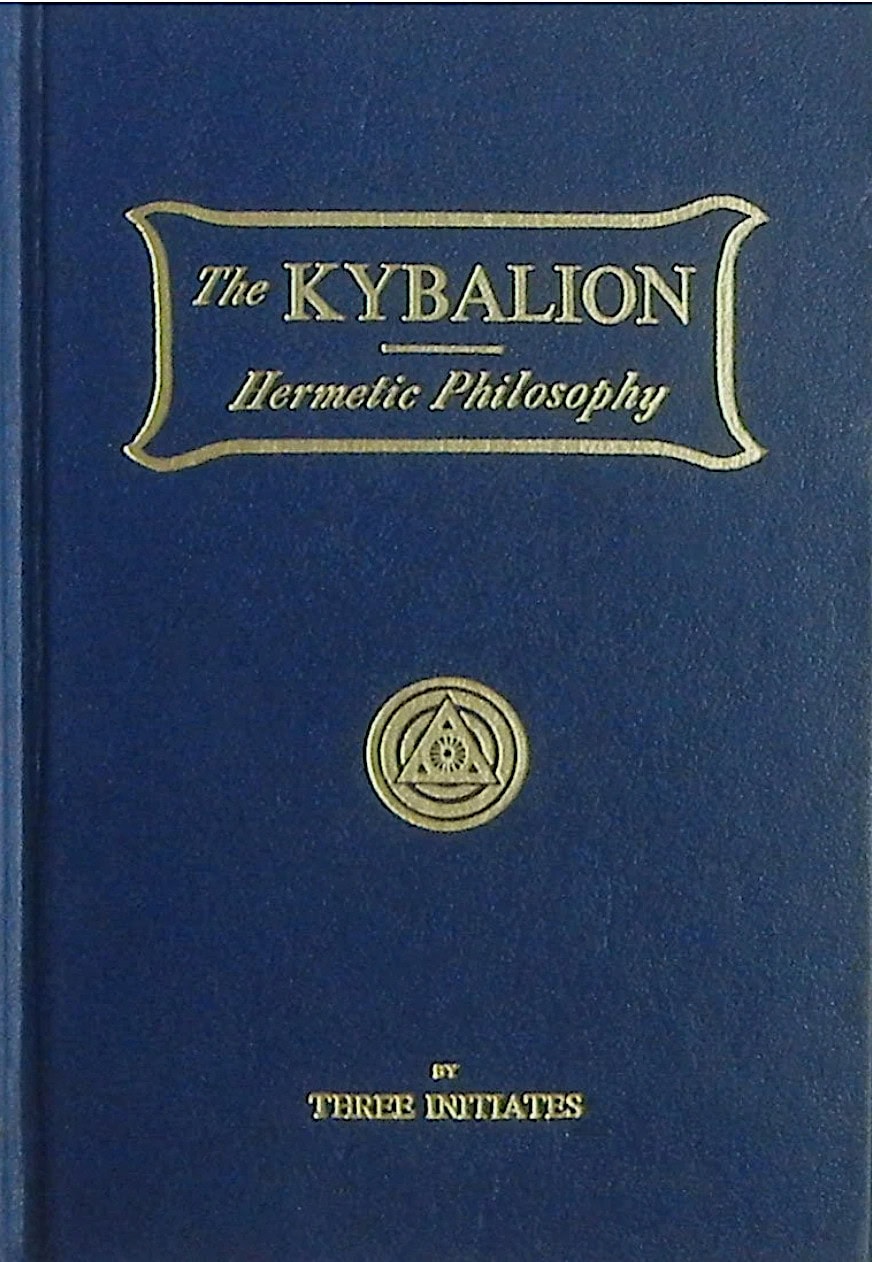
Several have recognizable relationships with older Hermetic and esoteric ideas. Correspondence has deep Hermetic ancestry. Transformation has strong connections with alchemy. Gendered and complementary forces appear throughout alchemical, magical, and cosmological traditions. Cause, cosmic order, and the relationship between different levels of existence also have long histories.
Other features display the language and intellectual concerns of the nineteenth and early twentieth centuries much more clearly. The book places extraordinary emphasis upon universal mind, vibration, polarity, mental states, and mental transmutation. Its physical, mental, and spiritual planes resemble the layered cosmologies found throughout contemporary occult and Theosophical literature.
The book’s Hermeticism is thus a modern synthesis constructed from both inherited and contemporary materials.
That does not make the title “Hermetic Philosophy” meaningless. It tells us what kind of historical question must be asked. Each doctrine needs to be traced individually. Some concepts descend through identifiable Hermetic traditions. Some developed through later alchemy, occultism, Qabalah, and Rosicrucianism. Others reflect scientific and mental terminology current close to the period in which the book appeared.
Why Is Mentalism So Important in The Kybalion?
The first principle of The Kybalion states that “The All is Mind” and describes the universe as mental in nature. This establishes the foundation upon which the remaining principles operate.
Ancient Hermetic texts certainly give Mind, or Nous, a central position. Divine Mind appears prominently in the Poimandres, and knowledge of divine reality transforms the human being. Yet the ancient Hermetic concept of Nous should not automatically be treated as identical to the modern metaphysical proposition that the universe operates according to a system of mental causation.
Between these two worlds stand centuries of idealist philosophy, occultism, mesmerism, mental healing, New Thought, Theosophy, and mental science.
This distinction matters greatly for YPS research. The Kybalion uses genuinely Hermetic vocabulary while expressing it through intellectual categories familiar to its own period. The question is not simply whether a concept is ancient or modern. The more revealing question is how ancient authority and modern mental philosophy were joined into one teaching system.
Why Is Correspondence So Important in The Kybalion?
Of the seven principles, Correspondence possesses one of the clearest relationships with the older Hermetic tradition.
The ancient Hermetic worldview placed humanity within an interconnected cosmos. The Emerald Tablet supplied the famous formulation connecting above and below. Astrology, magic, alchemy, Qabalah, and later occultism expanded correspondence into increasingly detailed systems.
The Kybalion extends this principle across what it calls the Physical, Mental, and Spiritual planes. Knowledge of one level can assist in understanding another because analogous laws operate throughout existence. This is a modern formulation of an old Hermetic habit of thought. The universe is intelligible because its different levels are related. Humanity can study one order of existence and discover clues about another.
Correspondence also allows The Kybalion to connect mental operations with universal laws. The human mind becomes a small arena in which principles operating throughout the cosmos can be observed and deliberately applied. Here the ancient microcosm–macrocosm idea becomes directly connected with mental science.
Why Are Vibration and Polarity Central to Modern Hermeticism?
Vibration and polarity show especially clearly how modern scientific vocabulary entered occult philosophy. Nineteenth-century discoveries involving electricity, magnetism, light, heat, sound, atoms, waves, and energy transformed popular ideas about matter and invisible forces. Occult writers frequently adopted this vocabulary and extended it into mental and spiritual domains.
Vibration became a powerful explanatory concept because it could connect apparently different forms of existence through differences in rate or degree. Matter, energy, thought, emotion, and spirit could be described as occupying different vibratory conditions.
Polarity offered another universal model. Electricity and magnetism supplied vivid scientific examples of positive and negative poles, while older Hermetic and alchemical traditions already contained complementary pairs such as sun and moon, male and female, active and passive, sulfur and mercury.
The Kybalion joined these worlds. Its principle of Polarity presents opposites as two extremes of a common scale. Heat and cold, light and darkness, love and hate, courage and fear can be understood through differences of degree. Once mental states are placed upon such a scale, transformation becomes possible through movement along it.
What Is Mental Transmutation?
Mental Transmutation is one of the most revealing concepts in The Kybalion because it connects alchemy directly with mental science. Historical alchemy sought transformations of matter. The alchemist attempted to separate, purify, recombine, and perfect substances according to hidden laws of nature. Later spiritual interpretations transferred the same pattern to the human being. The Kybalion carries transmutation into the mental realm.
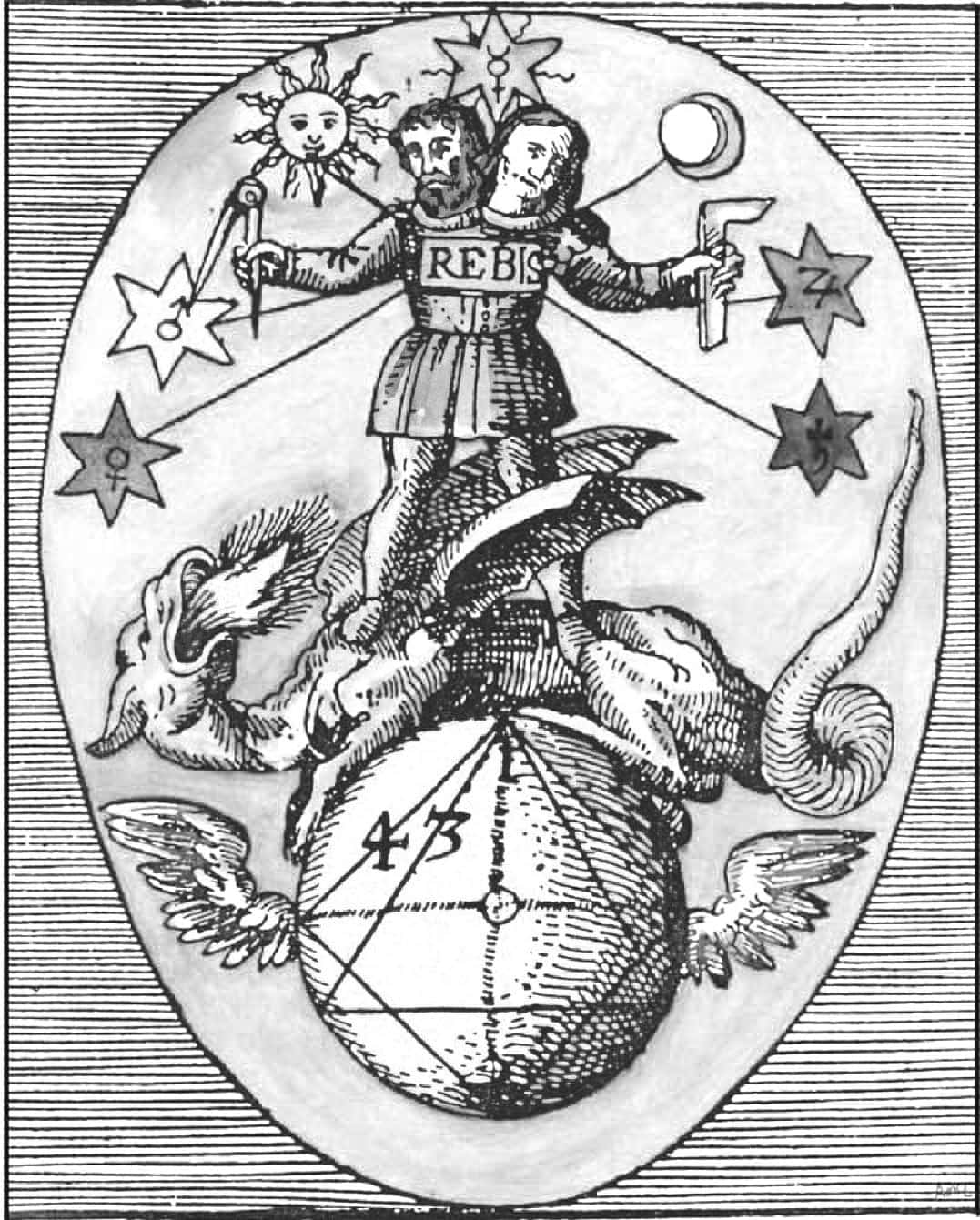
Fear can be changed toward courage. Hatred can be changed toward love. Undesirable mental conditions can be altered through understanding the principles governing them. The individual becomes the operator and consciousness becomes the material of the work.
This is where the relationship with Parkyn’s earlier system becomes especially significant. Parkyn’s teachings had already made the deliberate alteration of mental states central to suggestion and auto-suggestion. His students were taught to replace undesirable tendencies, cultivate desired conditions, establish habits through repetition, and direct thought toward action. The language is different. The operation is strikingly familiar.
Hermetic and alchemical terminology gave mental transformation a cosmic framework. Suggestion supplied a developed psychological method for changing mental conditions. The Kybalion brought mental transformation into a system presented as the application of universal Hermetic laws.
How Does the Parkyn Network Change the Way the Yogi Publication Society Hermeticism Can Be Studied?
The history of the people surrounding YPS makes it possible to study its Hermeticism through more than textual resemblance.
Parkyn’s Chicago School of Psychology had already created an educational and publishing system built around mental laws, suggestion, auto-suggestion, correspondence instruction, and the deliberate development of human capacities. Parkyn also belonged to Grumbine’s Rosicrucian Order of the White Rose. William Walker Atkinson later became principal lecturer in Parkyn’s University of Psychic Science, and the Yogi Publication Society began from Parkyn’s offices at 4000 Cottage Grove Avenue in 1903.
The network surrounding Parkyn also included figures such as Sydney B. Flower, whose publishing activities crossed mental science, psychic subjects, alternative medicine, and occult interests. This gives the appearance of The Kybalion in 1908 a specific historical environment.
Hermeticism was entering a network where Rosicrucian affiliation, suggestion, auto-suggestion, mental science, psychic research, New Thought, occult philosophy, correspondence education, and publishing were already interconnected. The question of how The Kybalion developed can thus be approached through that network as well as through comparisons with earlier Hermetic literature.
Why Does the Name Three Initiates Matter?
The choice to publish The Kybalion under the name Three Initiates fits an old pattern within esoteric literature in which teachings are presented through initiatory or pseudonymous authority.
Hermetic writings themselves are structured around transmission. Hermes teaches Tat or Asclepius. Masters transmit knowledge to disciples. Alchemical writers conceal identities and encode teachings. Rosicrucian literature presents hidden fraternities and initiated custodians of secret knowledge.
“The Three Initiates” places The Kybalion inside this literary world. The name describes initiatory status while withholding ordinary personal identity.
The book itself does not state that it was composed by three separately identified authors. Its title and introduction attribute the work to “The Three Initiates,” while the text speaks through collective expressions such as “we” and “us.” That literary presentation should be distinguished from later attempts to identify the individuals responsible for its production.
For the history of Hermetic literature, the form itself is significant. Knowledge is again presented through anonymous or concealed initiates who claim to transmit an older teaching.
How Does the Yogi Publication Society Hermeticism Relate to Its Yogi Literature?
The presence of Hermetic philosophy beside Yogi philosophy reveals one of the defining characteristics of the YPS catalogue.
The publisher did not maintain a strict boundary between Western and Eastern systems. Works attributed to Yogi Ramacharaka discussed Prana, mental control, psychic powers, Karma, reincarnation, spiritual development, and different planes or states of existence. The Kybalion approached universal laws through Hermes, correspondence, vibration, polarity, and mental transmutation.
The vocabulary changed while several recurring interests remained visible. What is the structure of reality? What hidden laws govern human life? How does mind operate? Can thought be trained? Can mental states be deliberately changed? What relationship exists between the individual and the universe? Are there levels of existence beyond ordinary physical perception? Can human capacities be developed through knowledge and disciplined exercise?
These questions could be approached through Yoga in one book, Hermeticism in another, mental science in another, and psychic development elsewhere.
This helps explain why identities such as Yogi Ramacharaka, Theron Q. Dumont, Swami Bhakta Vishita, and Swami Panchadasi belong within the same publishing history even though their books appear under different cultural and philosophical presentations.
How Did Hermeticism Become a Universal Philosophy?
Modern occult Hermeticism increasingly presented itself as a universal wisdom underlying many religions and philosophies. This idea had old precedents in the Renaissance concept of prisca theologia. If fragments of one primordial truth survived among Egyptians, Greeks, Jews, Christians, and other peoples, apparent differences between traditions could be interpreted as different expressions of an underlying teaching.
The nineteenth-century occult revival expanded the range of traditions placed within this framework. Indian philosophy, Buddhism, Theosophy, Qabalah, Rosicrucianism, alchemy, Christianity, Egyptian religion, and psychic science could all be compared as fragments of universal wisdom.
This universalizing tendency appears throughout the intellectual environment surrounding YPS. Hindu philosophy could be presented to Western readers through terminology already familiar from mental science and occultism. Hermetic teachings could be explained using the language of vibration and mind. Psychic phenomena could be interpreted through Yoga, occultism, magnetism, or mental force.
Hermeticism became especially useful within such a system because Hermes already represented an imagined ancient source standing behind multiple branches of hidden knowledge.
What Does Hermeticism Reveal About the Intellectual World Behind the Yogi Publication Society?
Following Hermeticism from Roman Egypt to the Yogi Publication Society reveals a tradition that repeatedly changed as it moved between cultures.
The ancient philosophical Hermetica were concerned with God, Mind, creation, humanity, knowledge, and spiritual rebirth. Technical Hermetic writings dealt with astrology, magic, medicine, and alchemy. Arabic traditions preserved and transformed Hermetic sciences. Renaissance thinkers reconstructed Hermes as a primordial theologian. Christian esotericists joined Hermetic ideas with Christianity. Alchemists made Hermes a master of transmutation. Qabalists and Rosicrucians incorporated Hermetic principles into increasingly complex occult systems. Nineteenth-century occultists then combined these inheritances with psychic research, theories of vibration, mental philosophy, and Asian religious concepts. The YPS network inherited this layered Hermeticism.
Its importance lies in the fact that Hermetic ideas could connect subjects that otherwise appear unrelated. Correspondence connected humanity with the cosmos. Alchemy supplied transformation. Qabalah supplied elaborate structures of relationships. Rosicrucianism supplied an initiatory framework. New Thought and mental science emphasized the power and training of mind. Suggestion supplied methods for altering mental conditions. Contemporary scientific vocabulary supplied vibration, energy, polarity, and unseen forces. The Kybalion brought many of these strands together under the authority of Hermes Trismegistus.
Why Is Hermeticism Essential to Understanding The Kybalion and the Yogi Publication Society?
Hermeticism provides one of the clearest historical pathways into the intellectual structure of The Kybalion and the Western esoteric side of the Yogi Publication Society.
The ancient Hermetic writings established Hermes as a teacher of divine and cosmic knowledge. The Emerald Tablet became associated with correspondence and alchemical transformation. Medieval and Renaissance traditions connected Hermes with astrology, alchemy, magic, and primordial wisdom. Christian Hermeticists, Qabalists, and Rosicrucians expanded the system. Nineteenth-century occultists reconstructed Hermeticism into a synthetic philosophy incorporating multiple esoteric traditions.
The world surrounding YPS added another layer. Psychology, suggestion, auto-suggestion, New Thought, personal magnetism, psychic phenomena, mental healing, and contemporary scientific language offered new ways to explain the old Hermetic promise that knowledge of universal laws gives the initiate power to transform his condition. This is the setting in which The Kybalion appeared in 1908.
Its seven principles should be studied within that long history while also being examined against the immediate intellectual environment from which the book came. Correspondence has a deep Hermetic ancestry. Transmutation carries the inheritance of alchemy. The language of polarity and vibration reflects both older concepts and modern scientific vocabulary. Mentalism and Mental Transmutation belong to a period intensely occupied with the nature and power of mind.
For the history of the Yogi Publication Society, Hermeticism is one of the traditions that connects the ancient authority invoked by its books with the modern intellectual network that produced them. It links Hermes Trismegistus with alchemy, Qabalah, Rosicrucianism, occultism, New Thought, mental science, and The Kybalion. Following those connections makes it possible to see YPS Hermetic literature as part of a long historical transmission whose teachings were repeatedly preserved, reinterpreted, combined, and expressed in new language for new generations.