Rosicrucianism is one of the most influential traditions in the history of Western esotericism. It entered European intellectual life dramatically in the early seventeenth century through a series of anonymous publications describing a secret fraternity founded by the mysterious Christian Rosenkreutz.

The Rosicrucian writings combined Christian spirituality, religious reform, alchemy, medicine, natural philosophy, hidden wisdom, and the promise of a transformation in human knowledge. The fraternity described in these works became the model for centuries of Rosicrucian organizations, legends, initiatory systems, occult philosophies, and claims of secret transmission. The original manifestos established the foundation from which Rosicrucianism developed into an enormously influential spiritual, philosophical, and esoteric tradition whose ideas, symbols, and teachings continued to evolve for centuries after their publication.
Rosicrucianism is especially important to the history of the Yogi Publication Society because the connection extends beyond similarities between Rosicrucian ideas and later YPS books. Herbert A. Parkyn, whose Chicago School of Psychology formed an important part of the network from which YPS developed, was a member of J. C. F. Grumbine’s Order of the White Rose, a Rosicrucian order. This establishes a direct Rosicrucian connection among the people surrounding the later publishing enterprise. When Rosicrucian, Hermetic, alchemical, psychic, mystical, and mental teachings appear throughout the same intellectual environment, they belong to a network in which these subjects were already crossing institutional and philosophical boundaries.
What Is Rosicrucianism?
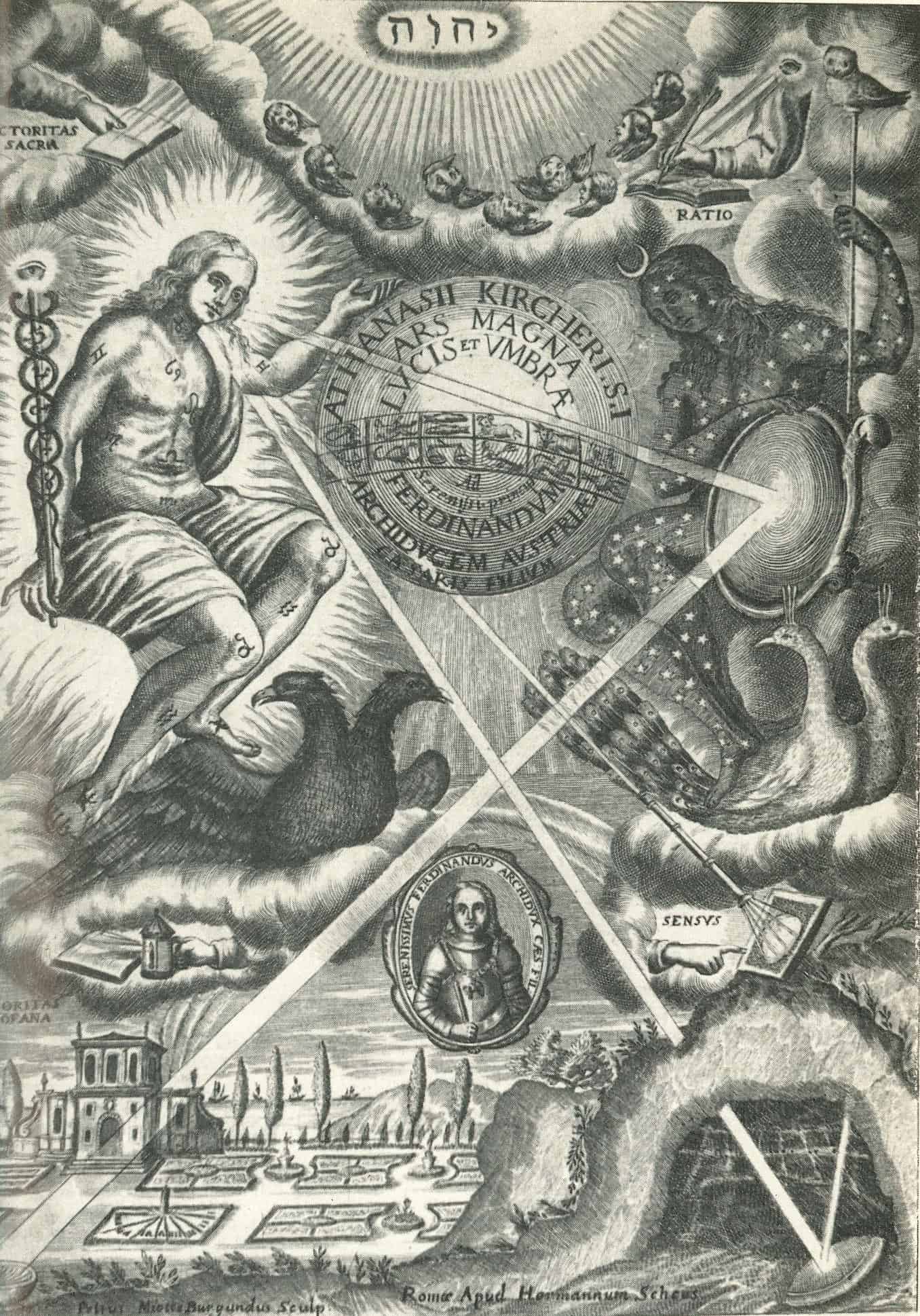
Rosicrucianism takes its name from the legendary Christian Rosenkreutz, whose name can be rendered Christian Rose Cross or Christian of the Rose Cross. According to the foundational Rosicrucian story, Rosenkreutz traveled outside Europe, encountered repositories of ancient wisdom, returned with knowledge unknown to European scholars, and established a small fraternity whose members preserved and transmitted that knowledge in secret. The fraternity combined spiritual aims with the study of nature, medicine, philosophy, and hidden knowledge, giving Rosicrucianism a character that was religious, intellectual, scientific in the terms of its own age, and esoteric at the same time.
The symbol of the Rose Cross became one of the most recognizable emblems of Western esotericism. Its meanings changed considerably across different Rosicrucian organizations and historical periods. The cross could carry Christian significance, while the rose could represent unfolding wisdom, regeneration, secrecy, spiritual development, or the manifestation of divine life. Later esoteric systems added extensive alchemical, Qabalistic, astrological, and initiatory interpretations. Historical Rosicrucianism begins most securely with texts, not with a surviving membership register of an ancient secret order, yet the idea presented in those texts proved powerful enough that people soon wanted to find the mysterious fraternity, defend it, attack it, join it, imitate it, or claim to continue its teachings.
What Were the Original Rosicrucian Manifestos?
Three works became foundational to the Rosicrucian tradition. The Fama Fraternitatis appeared in print in 1614, the Confessio Fraternitatis followed in 1615, and the Chymical Wedding of Christian Rosenkreutz appeared in 1616. The Fama Fraternitatis tells the story of Christian Rosenkreutz and the formation of the fraternity. Rosenkreutz is described as traveling to the East, where he encounters learned men and acquires knowledge of medicine, mathematics, and nature. After returning to Europe, he eventually establishes a small brotherhood dedicated to preserving and applying this wisdom.
The fraternity described in the Fama operates secretly. Its members are instructed to heal the sick without payment, adapt themselves outwardly to the customs of the countries in which they live, meet periodically, choose successors, and conceal the existence of the fraternity for a specified period. The discovery of Rosenkreutz’s hidden tomb becomes a central event in the story. The tomb contains symbolic objects, books, inscriptions, and the preserved body of the founder, turning its opening into a dramatic rediscovery of wisdom that had remained concealed until the proper historical moment.
The Confessio Fraternitatis develops the call for intellectual and religious renewal and presents the fraternity as possessing knowledge capable of contributing to a transformation of learning and understanding. The Chymical Wedding takes a different literary form, presenting an elaborate initiatory narrative filled with tests, ceremonies, death, resurrection, marriage, transformation, and alchemical symbolism. Together these three works created the foundational mythology from which later Rosicrucianism developed, while also establishing themes that would remain attached to the tradition for centuries, including hidden brotherhoods, secret wisdom, initiation, transformation, spiritual regeneration, and the recovery of lost knowledge.
Who Was Christian Rosenkreutz?
Christian Rosenkreutz is the legendary founder of the Rosicrucian fraternity. The Fama places his life centuries before the publication of the manifesto and constructs a biography designed to explain the transmission of hidden knowledge into Europe. His journey is fundamental to the story because he travels beyond the familiar intellectual world of Europe and encounters learned communities possessing wisdom that European scholars either lack or have forgotten. He returns carrying knowledge that combines religion, medicine, mathematics, philosophy, and understanding of nature, yet Europe is initially unwilling to accept the reform he hopes to introduce.
The figure of Rosenkreutz belongs to an old esoteric pattern in which wisdom passes through an initiated custodian. Hermes Trismegistus had already served a related function within Hermeticism, representing primordial wisdom transmitted from antiquity. Rosenkreutz became the hidden Christian custodian who preserved wisdom through a fraternity and transmitted it across generations. The historical existence of Christian Rosenkreutz has never been established, but his importance does not depend upon establishing him as an ordinary biographical individual. As a literary and initiatory figure, he became enormously influential, allowing later Rosicrucian organizations to claim spiritual or philosophical descent from him even when no continuous documentary chain connected them with the authors of the seventeenth-century manifestos.
What Was the World in Which Rosicrucianism Appeared?
The Rosicrucian manifestos appeared during a period of intense religious, scientific, political, and intellectual change in Europe. The Protestant Reformation had fractured Western Christianity, confessional conflicts were severe, astronomy and natural philosophy were changing understandings of the cosmos, and alchemy and medicine were undergoing major developments. Printing allowed controversial ideas to circulate rapidly, while scholars and reformers questioned inherited systems of theology, education, medicine, philosophy, and natural knowledge. The decades surrounding the Rosicrucian publications were filled with attempts to recover ancient wisdom while simultaneously creating new methods for understanding nature.
The Rosicrucian manifestos entered this atmosphere with the promise of a comprehensive reformation. Their imagined fraternity possessed knowledge capable of healing individuals while also correcting the intellectual and spiritual condition of Europe. This helps explain why the original Rosicrucian vision cannot be confined to what later became ceremonial occultism. The manifestos were concerned with religion, knowledge, medicine, nature, learning, and reform, with the secret fraternity serving as the custodian of a wisdom capable of transforming several dimensions of human life. The ideal of hidden knowledge producing transformation became one of Rosicrucianism’s most persistent themes and survived long after the immediate religious and political circumstances of the seventeenth century had changed.
Why Was Religious Reform So Important to Early Rosicrucianism?
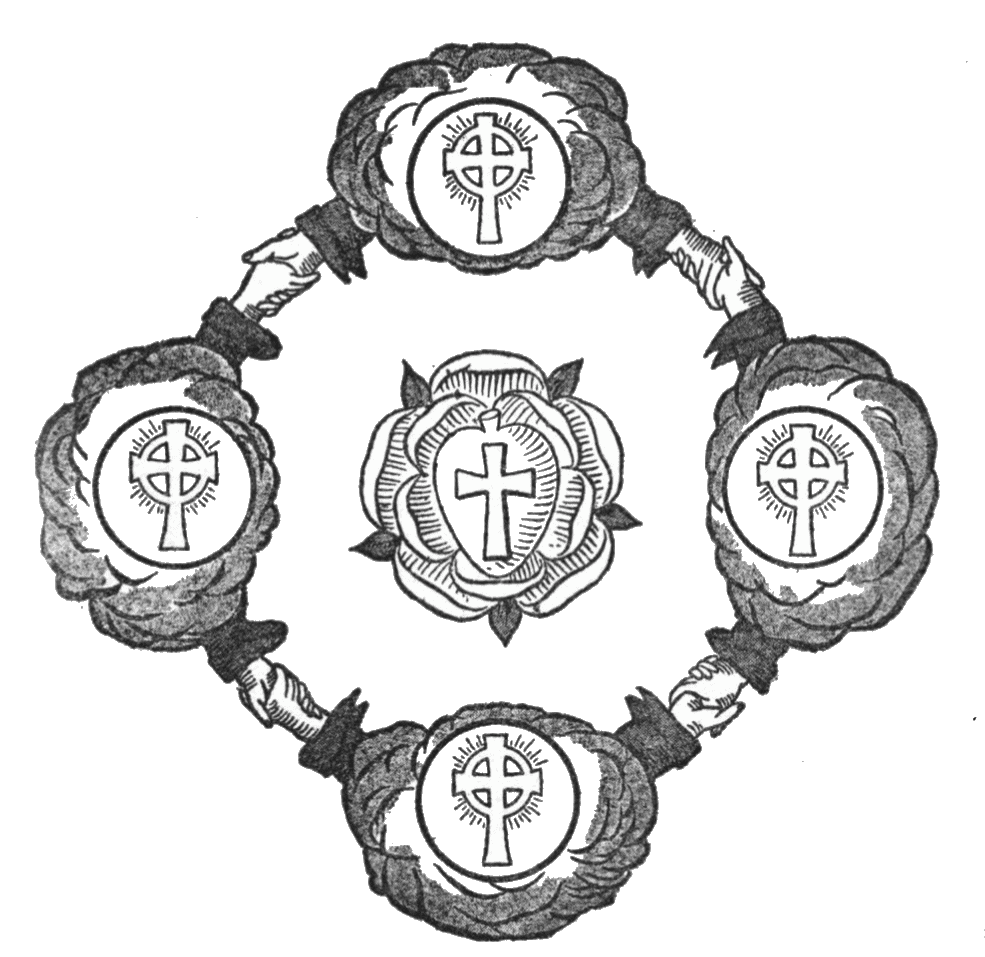
The original Rosicrucian writings were deeply Christian and developed within the religious controversies of early seventeenth-century Europe. Biblical language permeates the manifestos, the fraternity acknowledges Christ, and moral conduct is presented as inseparable from true wisdom. The Rosicrucian project envisioned a renewal of Christianity alongside a reform of knowledge, allowing religious regeneration and intellectual discovery to participate in the same process.
At the same time, the Rosicrucian vision included subjects extending far beyond conventional theology. Nature itself could be read as a revelation of divine wisdom, while medicine, mathematics, philosophy, and alchemy could disclose aspects of creation that ordinary learning had failed to understand. This combination made Rosicrucianism an important meeting place between Christian mysticism and the investigation of nature. The Rosicrucian seeker was expected to undergo personal and moral development while learning to perceive the divine order expressed through the world, creating a model in which knowledge changed both the understanding of nature and the person acquiring it.
What Was the Rosicrucian Reformation of Knowledge?
One of the strongest ideas in the manifestos is the possibility of a general reformation of learning. Human knowledge is presented as fragmented, corrupted, or trapped within inadequate systems, while the fraternity claims access to a more complete understanding of nature. This ambition reflected a period when inherited intellectual authorities were being questioned across Europe. The Rosicrucian writers imagined knowledge as interconnected, allowing medicine, theology, mathematics, philosophy, and the study of nature to participate in one coherent understanding of creation.
The concept resembles the Hermetic idea that different parts of reality correspond because they belong to one ordered cosmos, yet Rosicrucianism added a powerful historical and social dimension. Hidden wisdom had been preserved by a fraternity and would become available when the proper time arrived. The discovery of Rosenkreutz’s tomb dramatizes this process by presenting knowledge hidden for generations as something capable of transforming the present once it is recovered. This pattern became common throughout later esoteric movements, where ancient or secret knowledge is lost, concealed, rediscovered, interpreted, and presented as the key to a new stage of human development.
How Was Rosicrucianism Connected with Hermeticism?
Hermeticism formed an important part of the intellectual environment from which Rosicrucianism developed. By the early seventeenth century, Renaissance Europe had already experienced a major revival of interest in writings attributed to Hermes Trismegistus. Hermetic philosophy presented an interconnected cosmos in which humanity occupied a special position between material and divine realities, while knowledge of the cosmos could lead to knowledge of the self and God. The principle of correspondence helped explain how different levels of existence could reflect and interact with one another.
Rosicrucianism shared this interest in hidden relationships within nature and in the transformative power of knowledge. Later Rosicrucian organizations made the relationship much more explicit by incorporating Hermetic cosmology, astrology, alchemy, magic, and initiatory teachings into their systems. Hermes and Rosenkreutz could then become two great authorities within the same esoteric genealogy, with Hermes representing ancient wisdom and Rosenkreutz representing its preservation and renewal within a Christian initiatory fraternity. By the nineteenth century, the words Hermetic and Rosicrucian frequently appeared beside one another in occult literature, reflecting centuries of interaction between the traditions.
Why Is Alchemy So Important to Rosicrucianism?
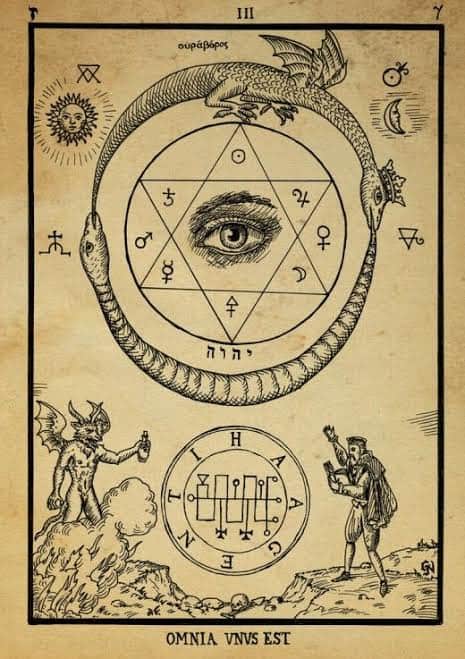
Alchemy is deeply embedded in Rosicrucian history. The intellectual world of the original manifestos was strongly influenced by Paracelsian medicine and alchemical conceptions of nature, while the Chymical Wedding is saturated with alchemical symbolism. Alchemy offered Rosicrucianism a powerful language of transformation because the alchemist worked through processes of separation, purification, dissolution, conjunction, regeneration, and fixation. Base substances could be brought toward a state of perfection, while the Philosopher’s Stone represented the successful completion of the Great Work.
These processes also supported spiritual interpretation. The ordinary human condition could become the base material of another Great Work, with ignorance, disorder, conflicting impulses, and incomplete understanding undergoing purification and transformation. The Chymical Wedding develops this language through a sequence of trials in which death is followed by regeneration and separate elements are brought into new relationships. Later Rosicrucians made spiritual alchemy one of the characteristic features of their systems, allowing the historical laboratory and its operations to become a symbolic model for the development of the initiate. This tradition later helped make expressions such as mental alchemy and mental transmutation intelligible within modern occult literature.
What Is the Chymical Wedding of Christian Rosenkreutz?
The Chymical Wedding of Christian Rosenkreutz, published in 1616, is one of the most extraordinary works associated with early Rosicrucianism. It tells the story of Rosenkreutz receiving an invitation to a mysterious royal wedding and undertaking a seven-day journey filled with tests, ceremonies, symbolic deaths, transformations, and revelations. The work is deliberately enigmatic, combining alchemical imagery with Christian symbolism, mathematical puzzles, courtly imagery, initiation, and allegory.
The wedding itself can be understood through the alchemical idea of conjunction, in which opposing or separated principles are brought together so that transformation becomes possible. Death and regeneration appear repeatedly, with bodies destroyed or dismembered and restored in altered form. The imagery resembles alchemical processes in which a substance passes through decomposition before reaching another condition, while the seven-day structure encouraged later esoteric interpretations involving planetary, alchemical, initiatory, and spiritual correspondences. The work became foundational to Rosicrucian symbolism because it presents initiation as an experience of transformation. The seeker receives knowledge by passing through a process that alters his understanding and status, a concept that became central to later Rosicrucian orders.
Who Wrote the Original Rosicrucian Texts?
The authorship of the Rosicrucian manifestos has been debated for centuries. The Chymical Wedding is closely associated with Johann Valentin Andreae, a German Lutheran theologian who later acknowledged having written the work in his youth and characterized it in language suggesting a literary or playful creation. Andreae belonged to an intellectual circle interested in religious reform, education, utopian ideas, and new approaches to knowledge, and scholars have long investigated connections between this circle and the earlier Rosicrucian manifestos.
The larger question of authorship is more complicated than assigning all Rosicrucian literature to one person. The manifestos arose from a recognizable intellectual environment involving shared concerns and several possible participants. What matters greatly for the subsequent history is that the fraternity described by the texts quickly acquired a life independent of whoever composed them. Readers searched for the Rosicrucians as though the brotherhood certainly existed, defenders published responses, critics attacked the movement, and other writers claimed knowledge of the fraternity. A literary mystery had produced a real social and intellectual phenomenon, and the name Rosicrucian became capable of generating organizations that did not require direct institutional continuity with the original authors.
Did the Original Rosicrucian Brotherhood Actually Exist?
No surviving evidence establishes the seventeenth-century fraternity exactly as described in the Fama. The story of Christian Rosenkreutz, his travels, the original brothers, and the discovery of his tomb belongs to the foundational Rosicrucian narrative. The publication of the manifestos did, however, produce genuine Rosicrucian activity as people wrote to the fraternity, debated its teachings, adopted Rosicrucian ideas, and eventually formed organizations around Rosicrucian identities.
This creates an important distinction between the legendary fraternity and the historical Rosicrucian movement that developed after the manifestos appeared. The power of the original story came partly from its refusal to provide ordinary institutional access. The fraternity was hidden and its members could not simply be found at a public headquarters. Secrecy became part of its authority, establishing an enduring feature of later occult culture in which hidden custodians could be said to preserve teachings that were only gradually disclosed to prepared students.
How Did Europe Respond to the Rosicrucian Manifestos?
The response to the Rosicrucian publications was extraordinary. Books and pamphlets discussing the mysterious fraternity appeared across Europe. Some writers praised the Rosicrucians and attempted to make contact, while others attacked them as fraudulent, heretical, magical, or politically dangerous. The inability to identify the fraternity only enlarged the mystery because every unanswered question created another opportunity for interpretation.
Writers asked where the members could be found, what teachings they possessed, whether known philosophers were secretly Rosicrucians, and whether the fraternity had inherited wisdom from earlier traditions. The resulting literature became much larger than the original manifestos. Rosicrucianism thus developed through interpretation almost immediately, with later authors constructing competing explanations of what the hidden brotherhood represented. This pattern continued for centuries as new organizations claimed to possess the authentic lineage, initiation, philosophy, or teachings of the Rose Cross.
How Did Rosicrucianism Become Connected with Secret Societies?
The original manifestos described a secret fraternity, but the elaborate lodge systems later associated with Rosicrucianism developed over time. During the seventeenth and eighteenth centuries, Rosicrucian ideas became associated with alchemical circles, mystical fraternities, Freemasonry, and various initiatory organizations. Groups claiming Rosicrucian identities appeared in several European countries, while some Masonic systems incorporated Rosicrucian symbolism and degrees.
The idea of graded initiation became increasingly important because it allowed the symbolism of transformation to be translated into institutional form. Members could advance through degrees representing stages of knowledge or spiritual development, with each stage disclosing another portion of the teaching. Secrecy also became formalized through passwords, signs, rituals, obligations, symbolic objects, and hierarchical instruction. By the nineteenth century, Rosicrucianism had become deeply connected with the history of Western initiatory societies, and the fraternity described in a seventeenth-century literary mystery had become a model for functioning occult organizations.
What Was the Relationship Between Rosicrucianism and Freemasonry?
Rosicrucian and Masonic traditions interacted extensively during the eighteenth and nineteenth centuries. Claims that Freemasonry simply descended from the original Rosicrucians go beyond the surviving historical evidence, yet the two traditions clearly came to share symbolic and organizational territory. Both developed systems of initiation, allegorical narratives, symbolic architecture, fraternity, moral development, concealed teachings, and progressive instruction.
Rosicrucian themes entered some Masonic high-degree systems, while Masonic organizational structures influenced later Rosicrucian orders. The Rose Croix degree became one of the most recognizable Rosicrucian elements within certain forms of Freemasonry, although its teachings and history should not be treated as identical with every independent Rosicrucian organization. This interaction helped preserve and expand Rosicrucian symbolism during periods when the original seventeenth-century controversy had faded, while also providing an organizational model that later occult fraternities could adapt for their own initiatory systems.
How Did Qabalah Enter Rosicrucianism?
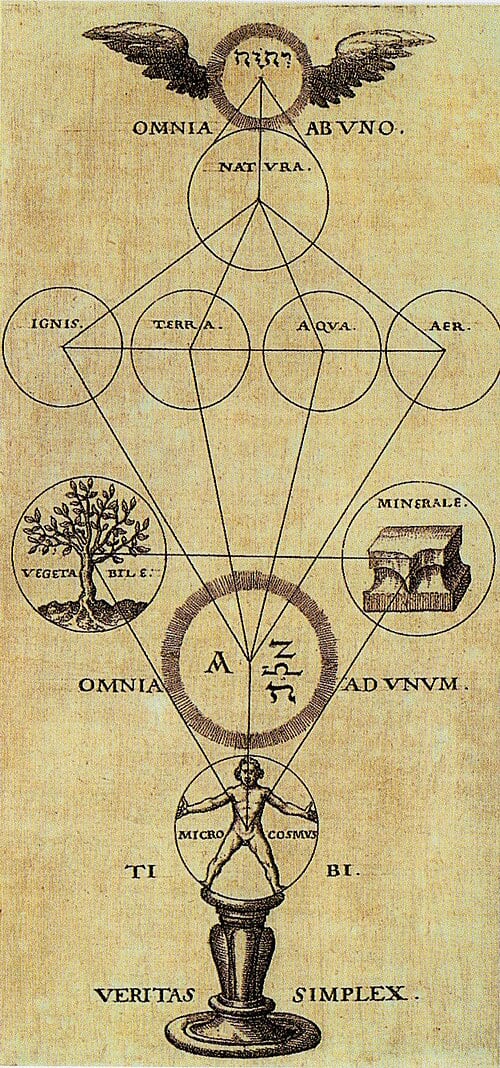
Qabalah became increasingly important to later Rosicrucian systems through the development of Christian Cabala and Western occult Qabalah. Renaissance thinkers had already attempted to combine Jewish Kabbalistic teachings with Christianity, Neoplatonism, and Hermetic philosophy. Later occultists expanded these combinations and used Qabalistic structures to organize a large body of esoteric knowledge.
The Tree of Life provided an exceptionally useful framework because divine names, angels, planets, elements, numbers, colors, metals, spiritual states, and parts of the human being could be arranged within systems of correspondence. Rosicrucian orders incorporated these ideas into initiatory teachings, allowing the journey through degrees to be mapped onto spiritual structures while alchemical processes could be connected with Qabalistic paths and spheres. Christian symbols could also be interpreted through numerical and cosmological correspondences. By the nineteenth century, Qabalism had become deeply embedded in several forms of Hermetic Rosicrucianism and played a major role in the occult revival that immediately preceded the world in which YPS developed.
How Did Rosicrucianism Change During the Nineteenth Century?
The nineteenth century transformed Rosicrucianism from a tradition known through the seventeenth-century manifestos, alchemical literature, Masonic degrees, and scattered initiatory societies into an increasingly visible part of the modern occult world. The century witnessed renewed interest in Hermeticism, alchemy, Qabalah, ceremonial magic, Spiritualism, mesmerism, mystical Christianity, psychic phenomena, and ancient religions. Rosicrucianism became one of the traditions through which these subjects could be gathered into systems of spiritual and personal development. The Rose Cross no longer belonged only to the historical mystery created by the Fama, Confessio, and Chymical Wedding. It had become the symbol of a living esoteric identity claimed by organizations and teachers in Europe and America.
This revival also changed the kinds of subjects that could be called Rosicrucian. Some organizations continued to emphasize Christian mysticism, initiation, and spiritual regeneration, while others incorporated astrology, occult Qabalah, alchemy, theories of invisible forces, psychic development, healing, and the cultivation of hidden human faculties. The nineteenth-century Rosicrucian world was never controlled by one universally recognized organization or interpretation. Different teachers and fraternities claimed different forms of authority, succession, initiation, and access to the Rosicrucian tradition. This diversity is important for understanding the American environment that developed before the Yogi Publication Society, since Rosicrucianism had become part of the same expanding metaphysical culture in which Spiritualism, New Thought, psychic investigation, mental science, and correspondence education would soon flourish.
Who Was Paschal Beverly Randolph?

Paschal Beverly Randolph became one of the most important figures in nineteenth-century American Rosicrucianism. Born in New York in 1825, Randolph developed a remarkable career as a Spiritualist medium, lecturer, physician, traveler, occult writer, and esoteric teacher. His intellectual development moved through Spiritualism into a much more elaborate system concerned with clairvoyance, the human soul, magical and spiritual development, hidden forces, initiation, and Rosicrucian philosophy. His writings and organizational activities made him a central figure in the development of an American Rosicrucian tradition that did not simply reproduce European lodge systems.
Randolph’s importance also lies in the range of ideas that he brought together. His work crossed Spiritualism, occultism, mystical Christianity, magic, psychic phenomena, personal transformation, and Rosicrucian initiation. He presented the human being as possessing powers and levels of consciousness capable of development through knowledge and discipline, a theme that would become increasingly common in American esoteric literature. Randolph’s Rosicrucianism thus belongs to an important stage in the movement from the older language of secret fraternities and alchemical mysteries toward the late nineteenth-century emphasis upon the deliberate development of the individual.
What Was the Fraternitas Rosae Crucis?
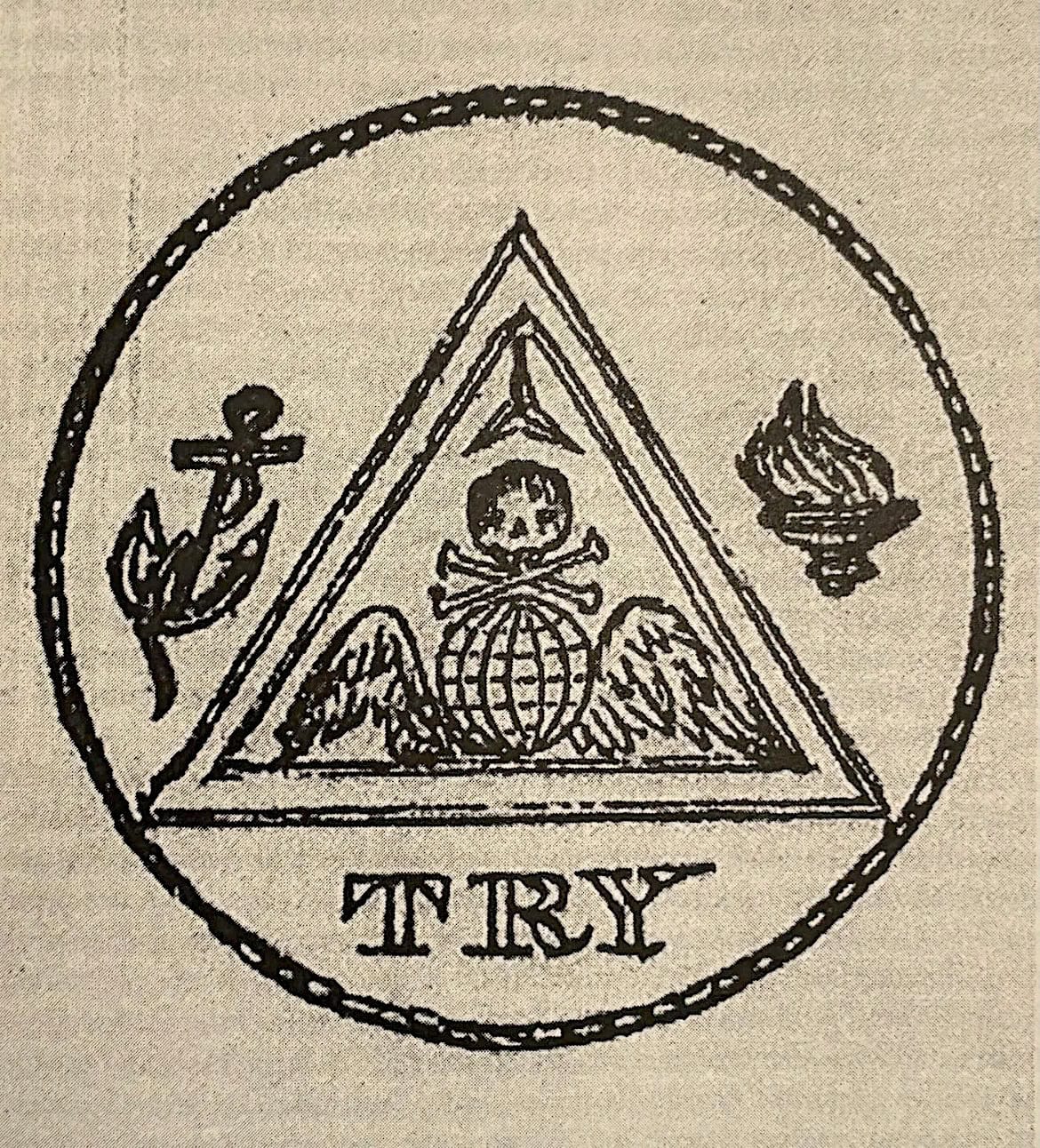
The Rosicrucian tradition associated with Randolph became connected with what came to be known as the Fraternitas Rosae Crucis, or Fraternity of the Rosy Cross. Later leaders of the organization traced its American Rosicrucian lineage through Randolph and treated him as a central figure in the transmission of its teachings. The fraternity developed an initiatory and philosophical system in which Rosicrucianism was connected with spiritual development, occult philosophy, healing, the powers of the human being, and the transformation of the individual.
The importance of this tradition for the history surrounding YPS is chronological as well as philosophical. Randolph died in 1875, but the Rosicrucian current associated with him continued into the exact period in which Parkyn, Grumbine, Atkinson, Flower, and the early YPS network were active. Rosicrucianism in America was thus not merely a surviving memory of seventeenth-century Europe. Organizations were claiming Rosicrucian identities, publishing Rosicrucian literature, teaching students, and arguing over the nature and authority of the tradition while the American mental-science and metaphysical movements were developing around them.
Who Was R. Swinburne Clymer?
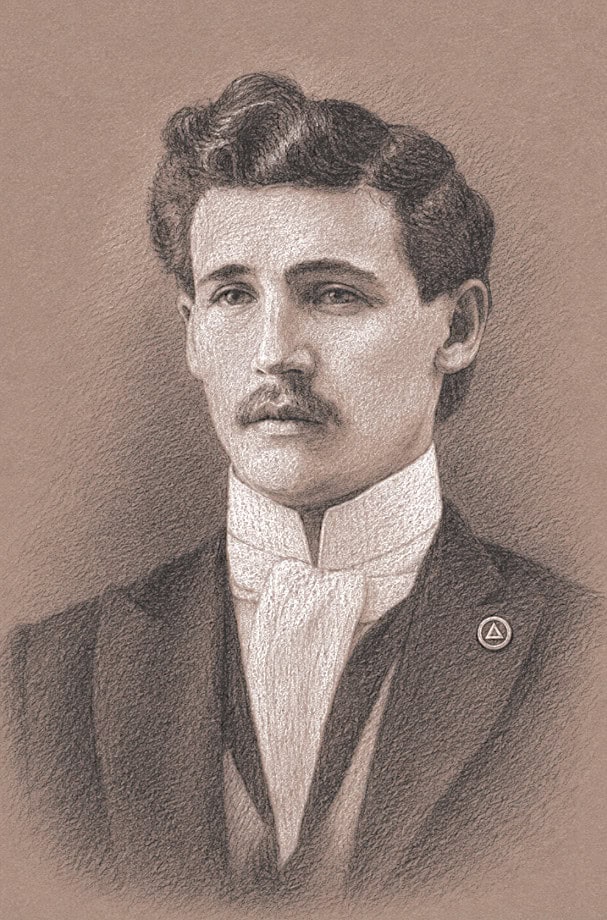
Reuben Swinburne Clymer became one of the most prominent American Rosicrucian writers and organizational leaders of the early twentieth century, but his importance to this history extends well beyond his leadership within the Fraternitas Rosae Crucis tradition. Clymer was a graduate of Herbert A. Parkyn’s Chicago School of Psychology and became a close collaborator of Parkyn. This places one of the leading figures in twentieth-century American Rosicrucianism directly within Parkyn’s educational and professional network. Through the Fraternitas Rosae Crucis, Clymer presented Rosicrucianism as a living system of spiritual development whose roots extended into ancient wisdom while addressing the religious, occult, psychological, and metaphysical interests of his own period. His books circulated during the same years in which the Yogi Publication Society was developing, making his writings especially valuable for understanding the Rosicrucian ideas circulating within the immediate intellectual world surrounding Parkyn and YPS.
Clymer’s early writings make this relationship even more significant. In The Rosicrucians: Their Teachings, he discusses the human being within a multilayered cosmos and addresses spirit and matter, different conditions and planes of existence, occult development, regeneration, ancient wisdom, and the relationship between humanity and universal law. Hermes Trismegistus and the Hermetic inheritance appear within this Rosicrucian system alongside alchemical and mystical concepts. These subjects were being presented by a man who had studied at Parkyn’s school and remained closely connected with Parkyn, making Clymer much more than a contemporary Rosicrucian writer whose books happened to appear during the YPS period. His work provides direct evidence of the Rosicrucian and Hermetic intellectual world represented within Parkyn’s wider network and shows that cosmology, spiritual development, planes of existence, ancient wisdom, and the hidden constitution of the human being were already being developed within that circle during the period surrounding the rise of YPS.
Why Are Clymer’s Early Rosicrucian Writings Important to the YPS Period?
Clymer gives us something especially valuable because his writings allow Rosicrucianism to be examined as a contemporary teaching instead of only as a historical influence. When a Rosicrucian book from the opening years of the twentieth century discusses Hermes, multiple levels of existence, spiritual and material conditions, universal laws, human development, regeneration, and the transformation of consciousness, those ideas can be placed directly beside the literature appearing from the YPS network during the same period. The comparison does not require assuming that one author copied another. It establishes the intellectual vocabulary that was already circulating through American Rosicrucianism.
This becomes especially important when examining The Kybalion. Its presentation of Hermetic philosophy through planes of existence, universal principles, correspondence, polarity, vibration, mental transformation, and the relationship between the individual and the cosmos appeared within an American esoteric culture where Rosicrucian writers were already discussing many of the surrounding concepts. Clymer’s writings give the comparison a firm historical setting. They show why The Kybalion should be studied not only against the ancient Corpus Hermeticum or the Emerald Tablet, but also against the living Hermetic and Rosicrucian literature available around the period when the book was produced.
.
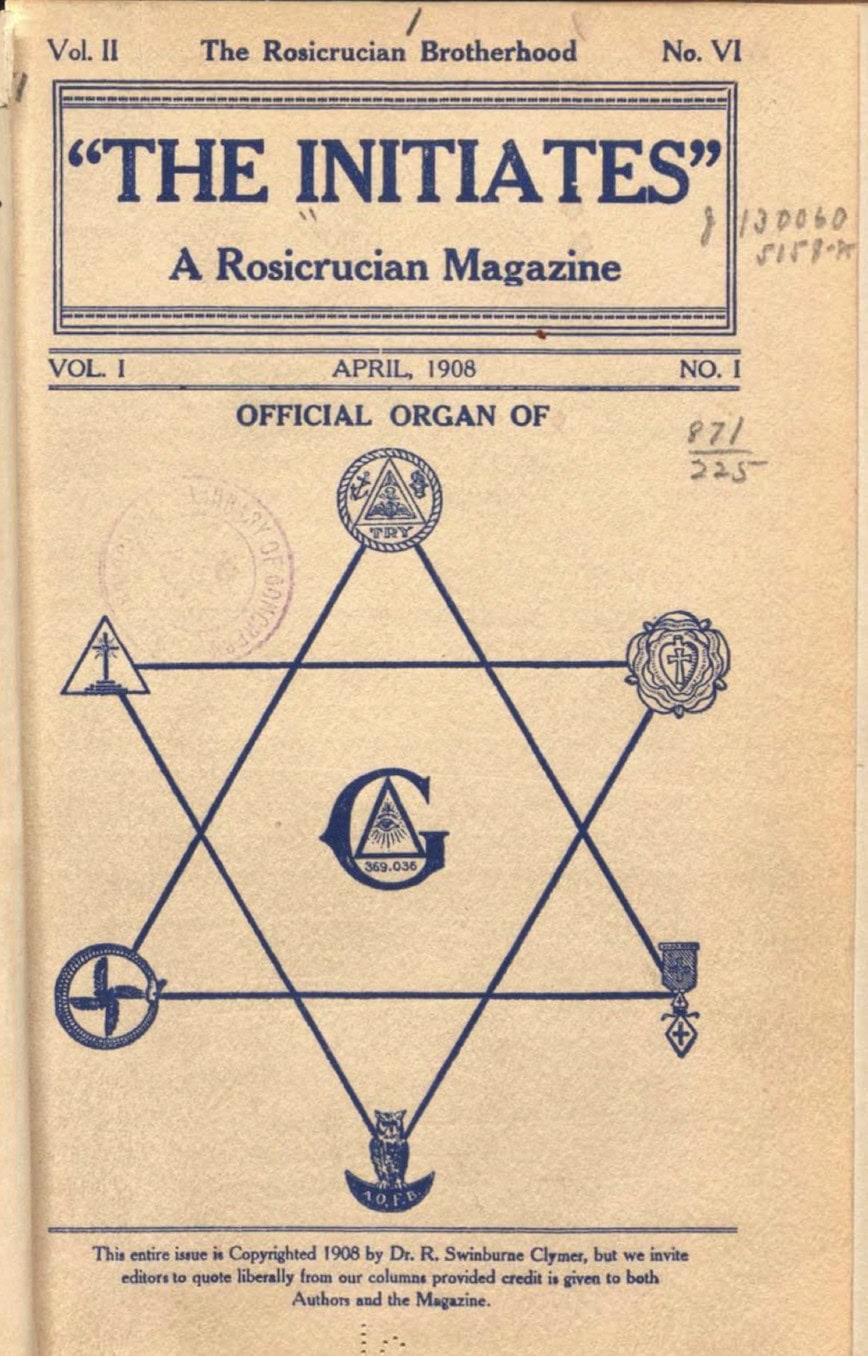
How Did Rosicrucianism Enter American Literary and Metaphysical Culture?
Rosicrucian ideas during this period circulated far beyond formal initiatory organizations. The enormous expansion of magazines, newspapers, metaphysical publishing houses, lecture circuits, correspondence schools, Spiritualist organizations, and New Thought groups created a public culture in which subjects once associated with secret fraternities could reach large audiences. Readers encountered Rosicrucianism beside mental healing, Spiritualism, Theosophy, psychic research, personal development, suggestion, occultism, and increasingly Yogi philosophy. The boundaries between these reading communities were highly permeable, and the same individual might move among several systems while viewing them as different expressions of related truths.
This wider circulation matters because the history of American Rosicrucianism cannot be reconstructed only through the official records of orders. Authors, poets, lecturers, editors, publishers, and metaphysical teachers carried its language and ideas into public culture. The Rose Cross could signify initiation and secret fraternity while also functioning as a recognizable symbol of spiritual transformation and ancient wisdom. By the turn of the twentieth century, Rosicrucianism belonged to a metaphysical marketplace in which hidden teachings were being translated into books, periodicals, public lectures, private instruction, and mail courses.
Where Does Ella Wheeler Wilcox Fit into This World?
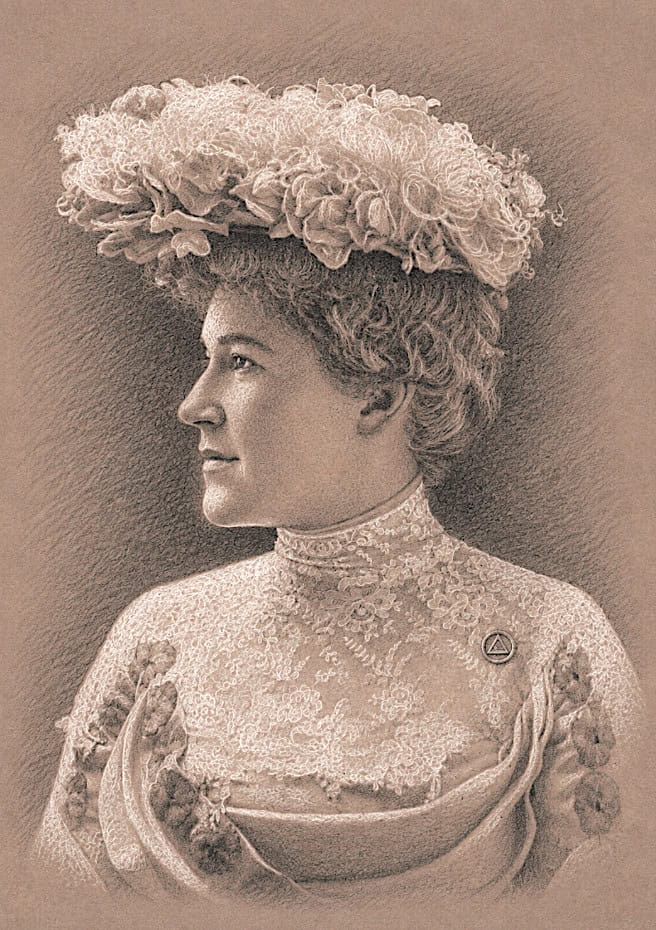
Ella Wheeler Wilcox is important because she demonstrates how closely the literary world of the period could intersect with New Thought, occult, metaphysical, and Rosicrucian circles. Wilcox was one of the most widely read American poets and writers of her generation, while also taking a serious interest in metaphysical ideas concerning thought, spiritual development, the power of mind, life after death, and the unseen dimensions of human existence. Her participation in this culture helped carry ideas once associated mainly with specialized metaphysical movements into a much larger popular readership.
Her relevance to Rosicrucian history lies in these personal and intellectual connections with the American esoteric world in which Rosicrucian teachers and organizations were active. Wilcox belongs in this history because she helps reveal the social reach of the movement. Rosicrucianism around 1900 did not exist inside a sealed fraternity separated from New Thought writers, Spiritualists, mental scientists, poets, publishers, and psychic investigators. These communities interacted through books, periodicals, organizations, lectures, correspondence, and personal relationships. Wilcox provides an important example of how a nationally known literary figure could participate in the same metaphysical culture that also contained explicitly Rosicrucian organizations and teachers.
How Did Rosicrucianism Become Connected with Psychic Development?
One of the most significant changes in modern Rosicrucianism was the increasing attention given to faculties believed to lie dormant within the human being. Earlier Rosicrucian literature had emphasized hidden wisdom, spiritual regeneration, knowledge of nature, medicine, alchemy, and initiation. By the nineteenth century these concerns increasingly interacted with Spiritualism, mesmerism, clairvoyance, psychometry, telepathy, magnetic healing, and attempts to investigate consciousness beyond the ordinary senses. The hidden world was increasingly approached through hidden capacities within the individual.
This development created an important bridge into the American metaphysical culture surrounding YPS. Clairvoyance, psychometry, telepathy, mental influence, and related phenomena could be discussed by Spiritualists, Rosicrucians, Theosophists, mental scientists, and writers on Yoga even when their explanations differed. The possibility that human faculties could be consciously cultivated became a shared concern. This was the environment in which J. C. F. Grumbine became especially significant.
Who Was J. C. F. Grumbine?
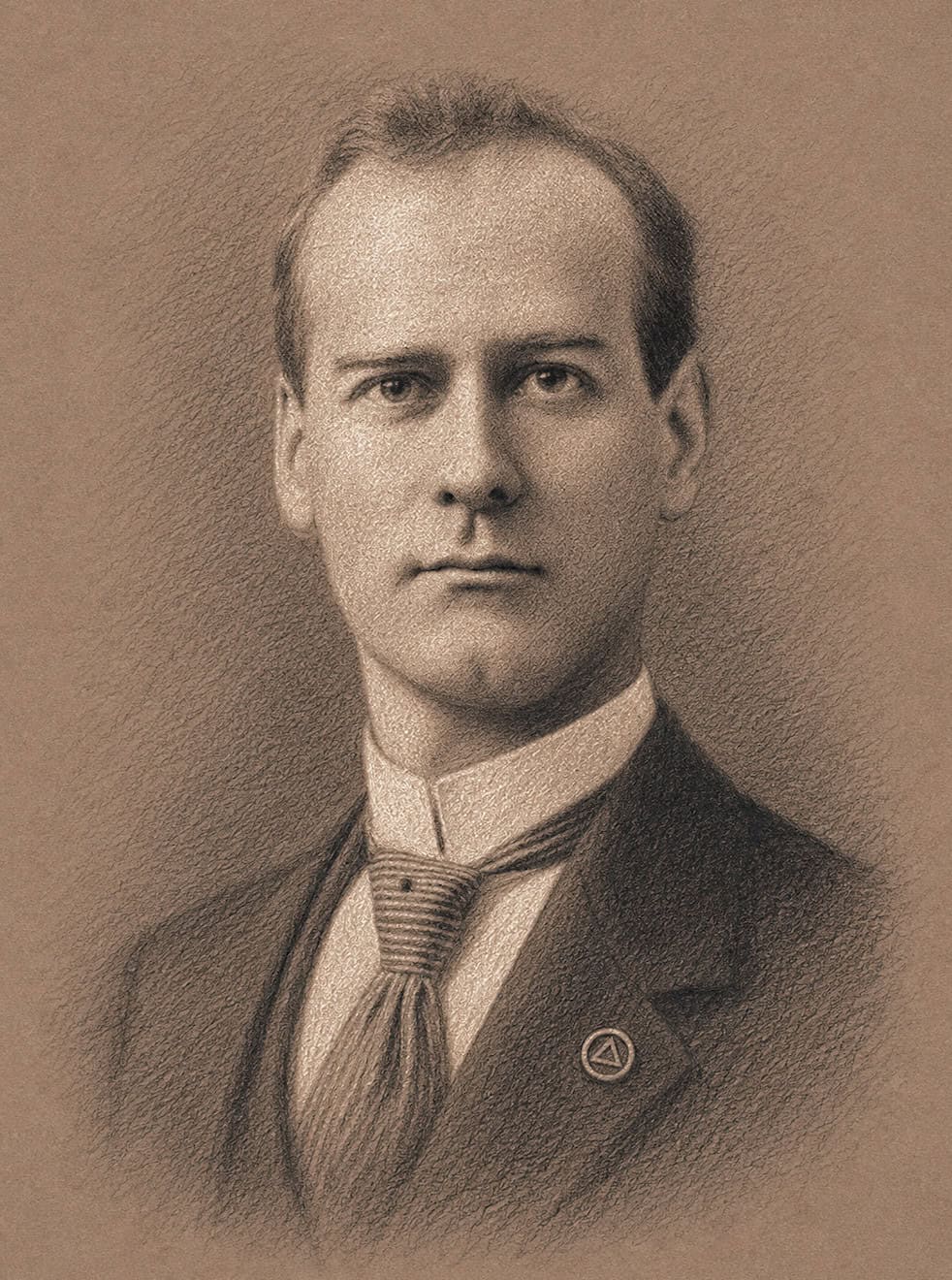
J. C. F. Grumbine occupied an important position in the American psychic and metaphysical world of the late nineteenth and early twentieth centuries. His teachings encompassed clairvoyance, psychometry, spiritual development, psychic perception, and methods intended to cultivate faculties believed to exist beyond ordinary sensory awareness. Like other teachers of the period, he used publishing and correspondence instruction to reach students who could not attend a physical school or lodge, making esoteric development compatible with the expanding mail-order educational culture of the United States.
Grumbine was also directly involved with Rosicrucianism through his Order of the White Rose. This makes him far more important to the history surrounding YPS than a general comparison of teachings would suggest. Through Grumbine, Rosicrucian organization, psychic development, correspondence teaching, and the deliberate cultivation of hidden human faculties existed within the same identifiable American network. His relationship with Herbert A. Parkyn then carries this Rosicrucian current directly into the history being reconstructed around the Chicago School of Psychology and the later Yogi Publication Society.
What Was Grumbine’s Order of the White Rose?
The Order of the White Rose was a Rosicrucian order organized by Grumbine within the same period in which he was teaching psychic and spiritual development. Its existence demonstrates the changing character of American Rosicrucianism around the turn of the twentieth century. Rosicrucian identity could encompass mystical and initiatory ideas while existing beside the study of clairvoyance, psychometry, spiritual consciousness, and other psychic subjects that had become prominent through Spiritualism and the wider occult revival.
The Order becomes especially significant because Herbert A. Parkyn was a member. This is a documented personal connection between Parkyn and an American Rosicrucian organization, which means Rosicrucianism does not have to be introduced into the YPS story solely through similarities found in later books. It was already present within Parkyn’s own network. The historical distinction is important, since Grumbine’s Order of the White Rose should not simply be merged with Randolph and Clymer’s Fraternitas Rosae Crucis without evidence of an organizational relationship. What they demonstrate together is the presence of multiple active Rosicrucian currents within the American metaphysical world from which YPS arose.
Why Is Parkyn’s Membership in the Order of the White Rose So Important?
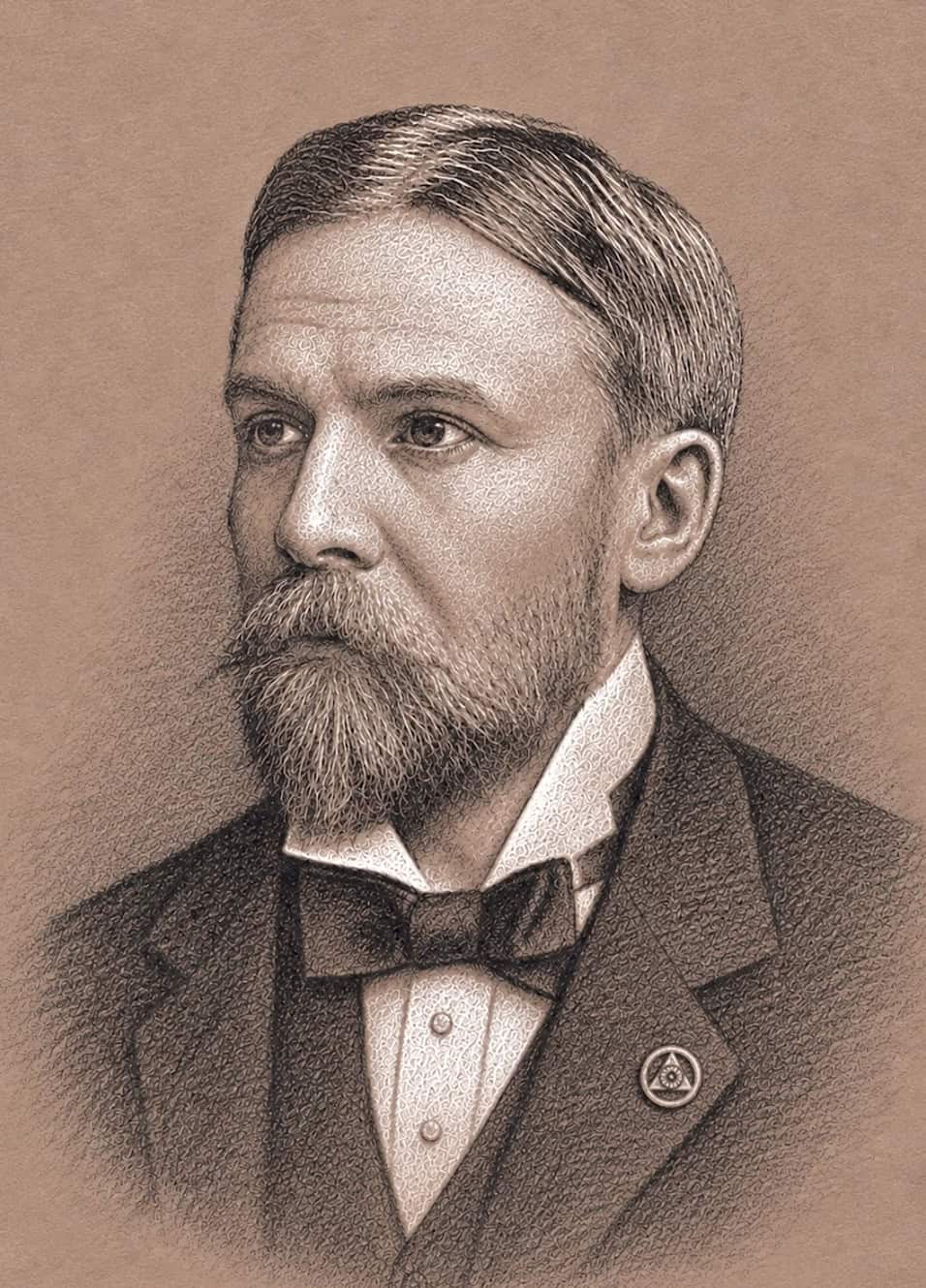
Parkyn’s Rosicrucian membership becomes especially significant when placed beside the chronology of his own work. He had been teaching since 1895, founded the Chicago School of Psychology in 1896, and developed a systematic approach to suggestion, auto-suggestion, hypnotism, mental influence, health, habit formation, and personal development. His 1898 Special Mail Course in Hypnotism and Suggestive Therapeutics organized these teachings into a large correspondence curriculum, while his school and periodicals created a network of students, writers, teachers, and associates extending far beyond Chicago.
Membership in Grumbine’s Rosicrucian order places Parkyn simultaneously within another intellectual environment. His system of suggestive therapeutics developed from medical and psychological work, while his Rosicrucian membership establishes personal participation in a tradition concerned with initiation, hidden knowledge, spiritual development, and the cultivation of human capacities. These aspects of his life should remain historically distinct, yet their coexistence matters. When the Yogi Publication Society later developed from Parkyn’s network and published works on Yoga, psychic development, Hermeticism, Rosicrucianism, mental influence, and occult philosophy, the Western esoteric component of that environment was already present through Parkyn’s documented associations.
How Did Rosicrucianism Intersect with Suggestion and Mental Science?
The meeting of Rosicrucianism with mental science was part of a larger transformation occurring across American metaphysical culture. The older Rosicrucian language of regeneration, initiation, purification, and hidden development increasingly encountered modern discussions of mind, subconscious processes, suggestion, will, concentration, personal magnetism, and mental healing. The human being remained the subject of transformation, but new psychological and quasi-scientific vocabularies supplied additional explanations for how that transformation might occur.
Parkyn’s work is important because he had developed a detailed method of deliberately changing mental states long before the appearance of The Kybalion. Suggestion and auto-suggestion could be used to alter habits, expectations, emotional responses, behavior, and physical conditions. Repetition could establish new patterns, attention could be directed, and an undesirable mental condition could be displaced through the deliberate cultivation of another. Within the Rosicrucian and Hermetic world, transformation had long been represented through initiation and alchemy. By the opening years of the twentieth century, these older traditions existed beside a mental-science culture that was developing explicit techniques for changing the individual through the mind.
How Did New Thought Become Part of This Environment?
New Thought expanded rapidly during the same period and brought questions concerning thought, health, success, character, belief, mental causation, and personal development before a large American audience. Its magazines, books, organizations, lecturers, and correspondence courses overlapped with many of the same people and readers interested in Spiritualism, Rosicrucianism, Theosophy, psychic research, mental healing, personal magnetism, and Yoga. This did not create one unified movement, but it created an unusually dense environment of exchange in which concepts could migrate rapidly between systems.
The network surrounding Parkyn, William Walker Atkinson, Sydney B. Flower, Grumbine, and the later YPS developed within this setting. A reader could move from a book on mental healing to a course on suggestion, a Rosicrucian text on spiritual development, a Theosophical discussion of planes of existence, or a work on Yoga and still encounter recurring concerns with consciousness, hidden powers, universal laws, health, self-development, and the relationship between mind and the unseen world. This overlapping intellectual culture is essential for understanding how YPS could later publish apparently different philosophical systems for substantially overlapping audiences.
How Does Rosicrucianism Connect Directly with the Yogi Publication Society?
The Yogi Publication Society began in Chicago in the spring of 1903 at Parkyn’s offices at 4000 Cottage Grove Avenue. Its appearance followed years of activity involving the Chicago School of Psychology, Parkyn’s periodicals, correspondence education, the University of Psychic Science, and the network of teachers, publishers, students, and associates that had developed around these enterprises. William Walker Atkinson had served as principal lecturer in Parkyn’s University of Psychic Science, while Parkyn himself was connected with Grumbine’s Rosicrucian Order of the White Rose.
This chronology gives Rosicrucianism a specific place in the YPS story. The Society did not appear first and encounter Western esotericism afterward. The network from which it developed already included a documented Rosicrucian connection alongside suggestion, psychic research, mental science, New Thought, correspondence instruction, and occult interests. When YPS began issuing works under Yogi Ramacharaka and later expanded into Hermetic, Rosicrucian, psychic, mystical, and occult literature, those subjects entered a publishing environment with an existing history behind them.
How Did Rosicrucianism Appear in the Literature Associated with YPS?
Rosicrucian subjects eventually became explicit within the literature issued through the YPS and associated publishing network. This is important because the relationship is visible not only through Parkyn’s membership in the Order of the White Rose but also through books that directly presented Rosicrucian teachings to the same readership. The appearance of works dealing with initiation, hidden wisdom, occult development, alchemy, Hermetic philosophy, spiritual transformation, and the unseen constitution of humanity continued the same convergence visible in contemporary American Rosicrucian literature.
The use of different literary identities throughout the network allowed these subjects to be presented through distinct philosophical voices. Yogi Ramacharaka addressed Yogi philosophy, mental development, Karma, reincarnation, psychic phenomena, and spiritual philosophy. Theron Q. Dumont became associated with mental training and personal development, while Swami Bhakta Vishita and Swami Panchadasi explored psychic and occult subjects. The catalogue increasingly resembles a set of overlapping presentations drawn from an intellectual environment where Western esotericism, mental science, psychic development, and interpretations of Asian philosophy continually interacted.
Where Does The Secret Doctrine of the Rosicrucians Fit?
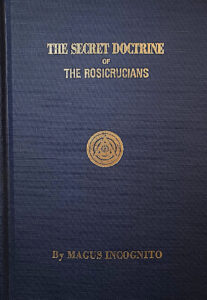
The Secret Doctrine of the Rosicrucians by Magus Incognito provides one of the clearest expressions of Rosicrucian teaching within the publishing world associated with YPS. Originally published by the Advanced Thought Publishing Company and later issued by the Yogi Publication Society, the book presented a systematic account of Rosicrucian cosmology and spiritual philosophy under a concealed authorial identity. Its use of the name Magus Incognito itself fits the older Rosicrucian literary tradition of hidden teachers, initiates, and concealed custodians of esoteric knowledge.
The book is important because it brings Rosicrucianism directly into the publishing history surrounding YPS instead of leaving the connection at the level of influence or personal association. By this point, the network could present Indian teachings through Yogi Ramacharaka, Hermetic philosophy through the Three Initiates, psychic and occult subjects through other pseudonymous identities, and Rosicrucian teachings through Magus Incognito. These identities differ, yet the subjects repeatedly converge around hidden laws, levels of existence, spiritual evolution, the constitution of the human being, mental development, and the acquisition of knowledge capable of transforming the individual.
How Does Clymer Help Us Understand The Kybalion?
Clymer becomes especially valuable when the contemporary Rosicrucian environment is placed beside The Kybalion. The comparison does not depend upon treating Clymer as the source of the book. His importance lies in showing what ideas were already being expressed within American Rosicrucian literature during the same historical period. Hermes, different levels or conditions of existence, universal laws, spiritual and material relationships, regeneration, transformation, and an ordered cosmos were already part of the Rosicrucian intellectual environment.
The Kybalion reorganized related concerns through its seven principles of Mentalism, Correspondence, Vibration, Polarity, Rhythm, Cause and Effect, and Gender, while placing exceptional emphasis upon Mental Transmutation. Some of these concepts have deep histories in Hermeticism and alchemy, while others reflect the scientific, occult, and mental vocabulary of the nineteenth and early twentieth centuries. Clymer helps reveal the intermediate world between ancient Hermetic texts and The Kybalion. That world contained active Rosicrucian writers who were already combining ancient authority, cosmology, spiritual development, Hermetic ideas, and contemporary metaphysical concerns.
Why Is Mental Transmutation Important to the Rosicrucian Connection?
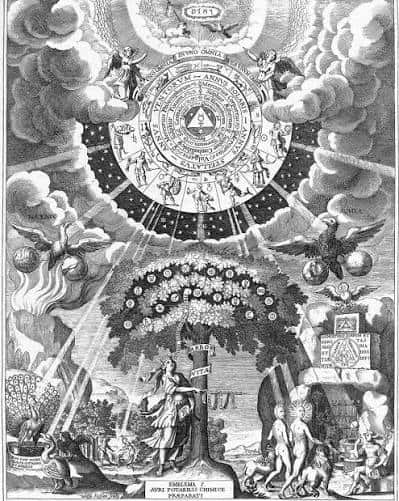
Mental Transmutation provides one of the clearest points at which the different traditions surrounding YPS can be studied together. Alchemy had supplied Western esotericism with a centuries-old language of transformation, purification, dissolution, recombination, and perfection. Rosicrucianism developed spiritual interpretations of these processes in which the individual became the subject of an inner Great Work. Modern mental science then supplied methods and terminology for deliberately changing thoughts, habits, emotions, and states of consciousness.
Parkyn’s earlier system is highly significant in this setting. He had taught suggestion since 1895 and had organized his methods into an extensive correspondence curriculum by 1898. His teachings treated mental conditions as changeable and taught students methods for replacing undesirable tendencies with desired ones through suggestion and auto-suggestion. When The Kybalion later presented the alteration of mental states as Mental Transmutation within a Hermetic framework, it appeared in a network where both the Western esoteric language of transformation and an established system for deliberate mental change were already present.
How Did Rosicrucianism and Yogi Philosophy Come to Occupy the Same Publishing World?
Rosicrucianism and Yogi philosophy originated in very different cultural and historical settings. Their convergence occurred through nineteenth-century and early twentieth-century Western metaphysical culture, where Theosophy, comparative religion, occult publishing, Spiritualism, New Thought, mental science, and increased interest in Indian philosophy brought different traditions into sustained contact. Figures such as Swami Vivekananda had already made Yoga and Vedanta far more visible in the West, while Theosophical literature familiarized readers with Karma, reincarnation, planes of existence, psychic development, and spiritual evolution.
YPS developed directly within this culture of synthesis. Its publications could use an Indian identity to discuss mental control and spiritual development, a Hermetic identity to discuss universal laws and mental transmutation, or a Rosicrucian identity to discuss hidden wisdom and spiritual cosmology. These systems retained important differences, yet the publishing network repeatedly returned to common questions concerning consciousness, hidden forces, human development, universal law, psychic faculties, and the relationship between the individual and the cosmos. Rosicrucianism was one of the major Western traditions through which those questions had already been explored.
What Does Rosicrucianism Reveal About the Intellectual Network Behind YPS?
Following Rosicrucianism into the nineteenth and early twentieth centuries reveals why the documented connection between Grumbine and Parkyn matters so much. American Rosicrucianism had already developed through figures such as Paschal Beverly Randolph and continued through organizations including the Fraternitas Rosae Crucis and writers such as R. Swinburne Clymer. At the same time, Rosicrucian ideas were circulating through a much wider metaphysical culture populated by writers, lecturers, Spiritualists, New Thought advocates, occult publishers, psychic investigators, and figures such as Ella Wheeler Wilcox. Rosicrucianism was both an initiatory tradition and part of a much larger intellectual exchange.
Grumbine and Parkyn bring that larger history directly into the YPS network. Grumbine combined Rosicrucian organization with psychic development and correspondence teaching, while Parkyn combined documented membership in Grumbine’s Order of the White Rose with an extensive system of suggestion, auto-suggestion, psychology, mental development, publishing, and correspondence education. The Yogi Publication Society then began from Parkyn’s offices and developed within the network that had formed around these activities. The appearance of Rosicrucian, Hermetic, Yogic, psychic, and mental-science literature within the same publishing environment becomes much less surprising once the history of the people behind that environment is restored.
Why Is Rosicrucianism Important to the History of the Yogi Publication Society?
Rosicrucianism provides one of the strongest historical pathways connecting the older traditions of Western esotericism with the immediate intellectual world surrounding the Yogi Publication Society. Beginning with the seventeenth-century manifestos, the Rose Cross became associated with hidden knowledge, spiritual regeneration, alchemy, Hermetic philosophy, Christian mysticism, initiation, and the transformation of the individual. During the nineteenth century, these traditions entered an American culture increasingly occupied with Spiritualism, psychic development, mental healing, New Thought, correspondence education, and the possibilities of human consciousness. Randolph, the Fraternitas Rosae Crucis tradition, Clymer, Grumbine, and the wider metaphysical culture surrounding figures such as Ella Wheeler Wilcox show how active and varied American Rosicrucianism had become by the time YPS appeared.
The Parkyn connection makes this history directly relevant to YPS. Parkyn was not simply operating near a culture in which Rosicrucianism happened to be fashionable. He was a documented member of Grumbine’s Order of the White Rose while developing the educational and publishing network from which YPS would arise. The later appearance of Hermetic philosophy, Rosicrucian literature, psychic development, mental training, and Yogic teachings within the same publishing world can be studied against that documented background. Clymer’s contemporary Rosicrucian writings further show that concepts involving Hermes, planes of existence, transformation, universal law, spiritual development, and the relationship between humanity and the cosmos were already circulating in American Rosicrucian literature during the same period.
Rosicrucianism thus belongs near the center of the intellectual history surrounding the Yogi Publication Society. It connects the older world of Hermes, alchemy, the Rose Cross, Qabalah, Christian mysticism, and initiation with the modern world of psychic development, New Thought, mental science, suggestion, correspondence education, and occult publishing. Through Randolph and Clymer we can see the development of a major American Rosicrucian current. Through Grumbine and the Order of the White Rose we reach Parkyn directly. Through Parkyn we enter the network from which YPS developed. From there, the later appearance of The Kybalion, The Secret Doctrine of the Rosicrucians, and the Society’s larger body of occult and metaphysical literature becomes part of a continuous and increasingly visible historical environment.