Copyright © 2026 D. Parkyn Jackson. Published by the Yogi Publication Society History Project. All rights reserved.
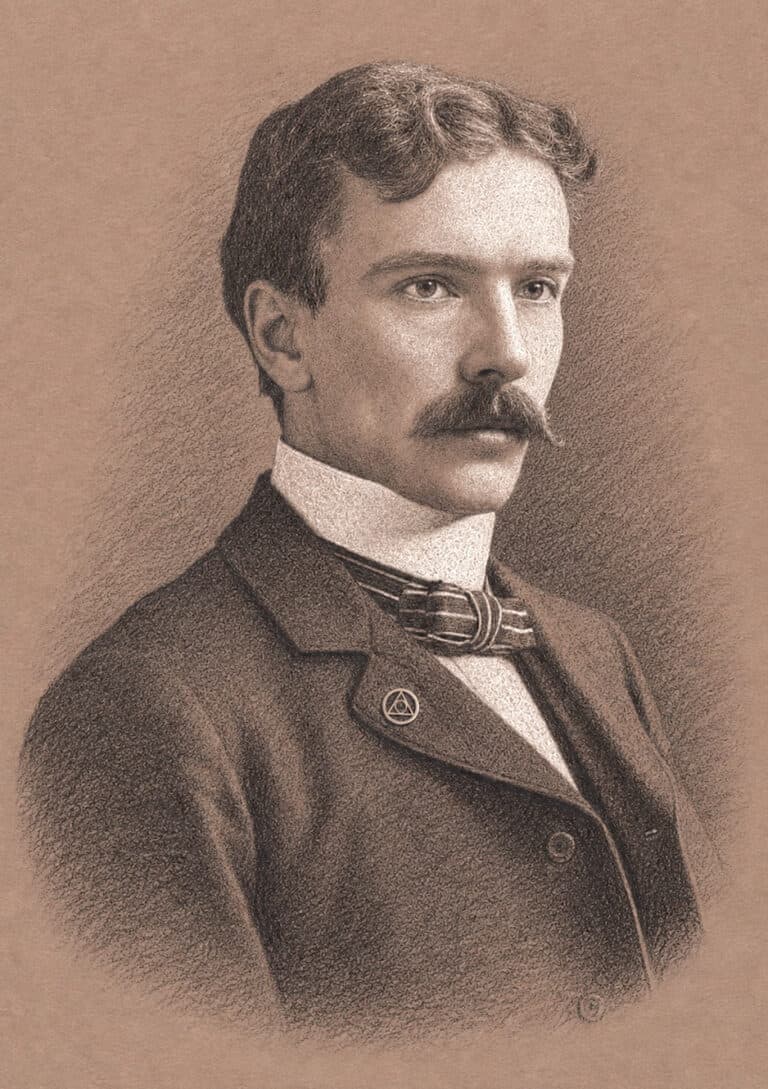
Few figures in the history of New Thought and modern metaphysical publishing have attracted as much speculation as William Walker Atkinson. For more than a century, he has been presented as one of the most influential occult and metaphysical writers of his era, a man credited with producing over a hundred books under his own name and a bewildering array of pseudonyms, including Yogi Ramacharaka, Theron Q. Dumont, the Three Initiates, Swami Bhakta Vishita, and others. Around these names equally elaborate mythologies have developed.
Separating History from Myth
Yet a careful examination of the historical record reveals that many of the claims about Atkinson are unsupported, exaggerated, or simply untrue. Much of the confusion can be traced to promotional material produced by publishers seeking to market reprints of his books, while other errors have been perpetuated by careless researchers who repeated earlier claims without verifying the sources.
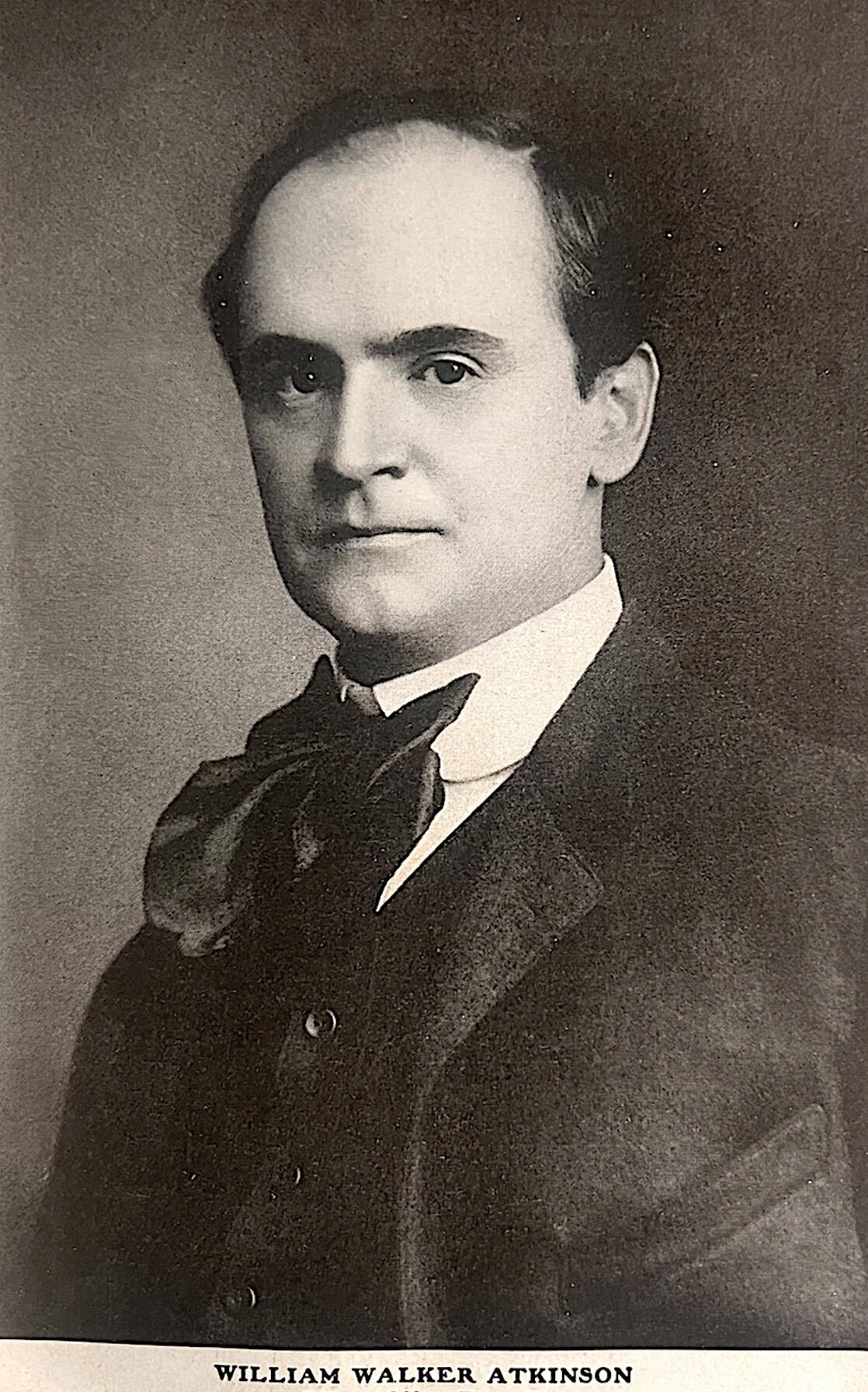
The reality is far more interesting than the legends. Understanding the true history of William Walker Atkinson requires navigating a vast body of magazines, correspondence courses, newspaper reports, advertisements, and forgotten publications. The story is not simple, and many of the assumptions that have shaped the popular understanding of Atkinson collapse when confronted with the evidence.
The Missing Chapter in Every Biography
One of the greatest weaknesses of nearly every Atkinson biography is that it focuses on who he became while largely ignoring the crucial question of how he became that person. The historical record leaves little doubt that Atkinson was a successful Pennsylvania attorney who suffered a severe physical, mental, and financial collapse in the spring of 1900. The real mystery is what happened next.
Within just four months, Atkinson went from being an attorney in the midst of a severe mental breakdown to authoring a fifteen-lesson book on a subject he later claimed to have known nothing about before arriving in Chicago. Then one month later, he was publishing articles on mental healing and Suggestion while openly challenging some of the most prominent authorities in the field in the pages of Suggestion magazine, arguably the most influential and respected journal devoted to the mental sciences at the time. The speed of the transformation is impossible to ignore.
Nearly every biography acknowledges the breakdown and the transformation that followed, yet none attempts to seriously investigate the obvious questions: How is this even possible? Who did Atkinson go to see in Chicago? And who taught him the system he would spend the rest of his life promoting?
Faced with this obvious difficulty, various ideas have been proposed. Some writers have suggested that he had spent years immersed in Theosophy, Hindu philosophy, or esoteric traditions before arriving in Chicago. Others have claimed that he was connected to secret teachers, Eastern adepts, or hidden brotherhoods.
What Atkinson Said About His Past
The evidence that claims that Atkinson had an interest in the occult before going to Chicago comes directly from him. In December 1901, he stated,
“I knew nothing of the New Thought, although I had for many years taken a great interest in the study of the occult. I took an intellectual pleasure in the study of the writings of the mystics, but my speculations upon the subject were always in the abstract, and never came down to the application of the principles to everyday life.”
This statement is important because it establishes two facts. First, Atkinson acknowledged a prior interest in occult and mystical subjects. Second, he explicitly denied having any knowledge of the New Thought movement before his arrival in Chicago. The second claim needs particular attention. By 1900, the New Thought movement had become a major force in American metaphysical, esoteric, and occult culture, with magazines, organizations, lecturers, healing schools, and publishing houses operating throughout the country. Any seeker seriously investigating occult or mystical teachings on their own would have encountered New Thought almost immediately. The claim becomes even more difficult to reconcile with theories that Atkinson had spent years studying Theosophy or Hindu philosophy, as the same circles that were introducing Americans to Eastern thought were extensively involved with the mind cure or New Thought movement.
The two claims that Atkinson makes only begin to make sense when understood as elements of a carefully crafted origin story. Together, they present the image of a long-time seeker who, after a personal crisis, discovers a new truth and emerges transformed into its leading advocate.
Understanding Masked Suggestion
Through the examination of thousands of pages of original source material, the YPS History Project has found that the evidence suggests that the metaphysical author known as William Walker Atkinson was, in many respects, not unlike the pseudonyms he is said to have created.
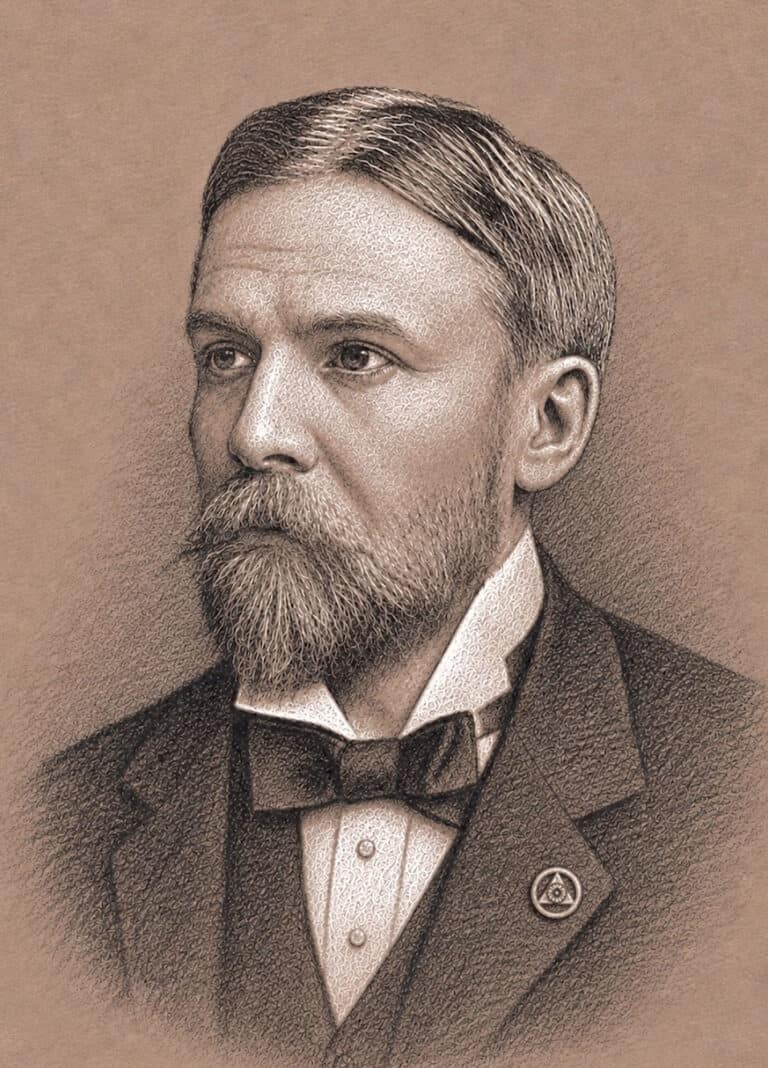
To understand this, it is necessary to understand a concept taught by Dr. Herbert A. Parkyn known as masked suggestion. Parkyn defined masked suggestion as a suggestion presented indirectly through a vehicle that conceals its true source. Rather than delivering an idea openly, the idea is wrapped in a form that makes it more readily accepted by the recipient. The vehicle may be a symbol, a ritual, a remedy, a story, a teacher, or even an entire persona. Attention is directed toward the mask, while the underlying suggestion quietly performs its work.
It is precisely this “masked suggestion” surrounding William Walker Atkinson that most historians and biographers have continued to repeat. Rather than looking for the obvious gaps in the story or investigating where the answers might actually be found, they have largely accepted and retold the same conversion narrative that was first presented to the public in 1900. Even though they readily acknowledge that Atkinson was associated with numerous pseudonyms, many of them accompanied by elaborate biographies and carefully constructed backstories, few have stopped to ask the obvious question: if these literary personas were consciously created, why should it be assumed that the public image of William Walker Atkinson was not shaped in a similar way?
The answers to these questions are not particularly difficult to find. They emerge naturally once attention is directed toward the most obvious sources in the historical record rather than the myths and legends that later grew up around them.
The Man Everybody Overlooked

The answer has, in many ways, always been hiding in plain sight. Every biography of Atkinson acknowledges that his earliest writings appeared in Suggestion magazine, the official publication of Dr. Herbert A. Parkyn‘s Chicago School of Psychology. They also note that Atkinson lectured and worked at Parkyn’s University of Psychic Science shortly after arriving in Chicago, and that he later co-edited New Thought magazine alongside Sydney Flower, one of Parkyn’s closest associates and protégés. Flower had been deeply involved with Parkyn in founding the Chicago School of Psychology, opening affiliated schools, and writing, editing, and publishing books and magazines together.
Given these facts, it is remarkable how little attention Parkyn has received from later researchers. Rather than looking to secret yogis, occult brotherhoods, or hidden masters, the historical record points directly to a man who was arguably the most famous teacher of Suggestive Therapeutics in America at the time, the editor and publisher of what was arguably the most respected journal devoted to mental healing, and a leading figure in the research and promotion of the mental sciences. His name was present from the very beginning. Once Parkyn is placed back into the story, many of the mysteries surrounding Atkinson’s sudden emergence begin to make far more sense. It is also here that the story expands beyond Atkinson himself and into the network of schools, publications, organizations, and publishing ventures that eventually gave rise to the Yogi Publication Society.
This article presents that story for the first time. Drawing on contemporary records, it traces the transformation of William Walker Atkinson from a struggling attorney who suffered a severe mental breakdown into the public figure who would be at the center of a publishing phenomenon and give rise to the term “Atkinsonia.”
Atkinson’s Mental Breakdown and Disappearance
In the years before William Walker Atkinson joined Parkyn in Chicago, he had established himself as a successful attorney in central Pennsylvania as a partner in the firm of Leisenring & Atkinson. His practice focused primarily on commercial law, including debt collection, creditor litigation, foreclosures, and property execution cases. By all outward appearances, his career was progressing well. Yet a series of professional setbacks would dramatically affect his life and mental health.
In 1899, Atkinson relocated to a neighboring county in hopes of expanding his legal opportunities. The move proved disastrous. When he later attempted to resume practice with his former partner, the local bar association informed him that he would first be required to satisfy a six-month residency requirement and submit to a new examination. Atkinson strongly objected, maintaining that he had never legally surrendered his standing and should therefore be allowed to resume practice without further conditions. The board denied his appeal, and rather than comply, he chose to dissolve his practice and partnership altogether.
The dispute struck Atkinson hard. Friends and family later recalled that he became increasingly discouraged by what he viewed as an unjust professional humiliation. The loss of his law practice left him without a clear direction, and those close to him observed a growing sense of frustration and despair. Seeking financial stability, he moved his wife and child into his brother-in-law’s Philadelphia home and accepted a position as regional manager for the North American Mercantile Agency in the Drexel Building. Although the work was well suited to his abilities, requiring the evaluation of business credit, debtor records, and financial risk, Atkinson later claimed that his mental condition continued to deteriorate. According to his own account, the strain culminated in a complete nervous breakdown and a severe case of what physicians of the period commonly referred to as “nervous prostration,” a condition associated with extreme mental and emotional exhaustion.
Atkinson Disappears for Six Weeks with No Word to His Family
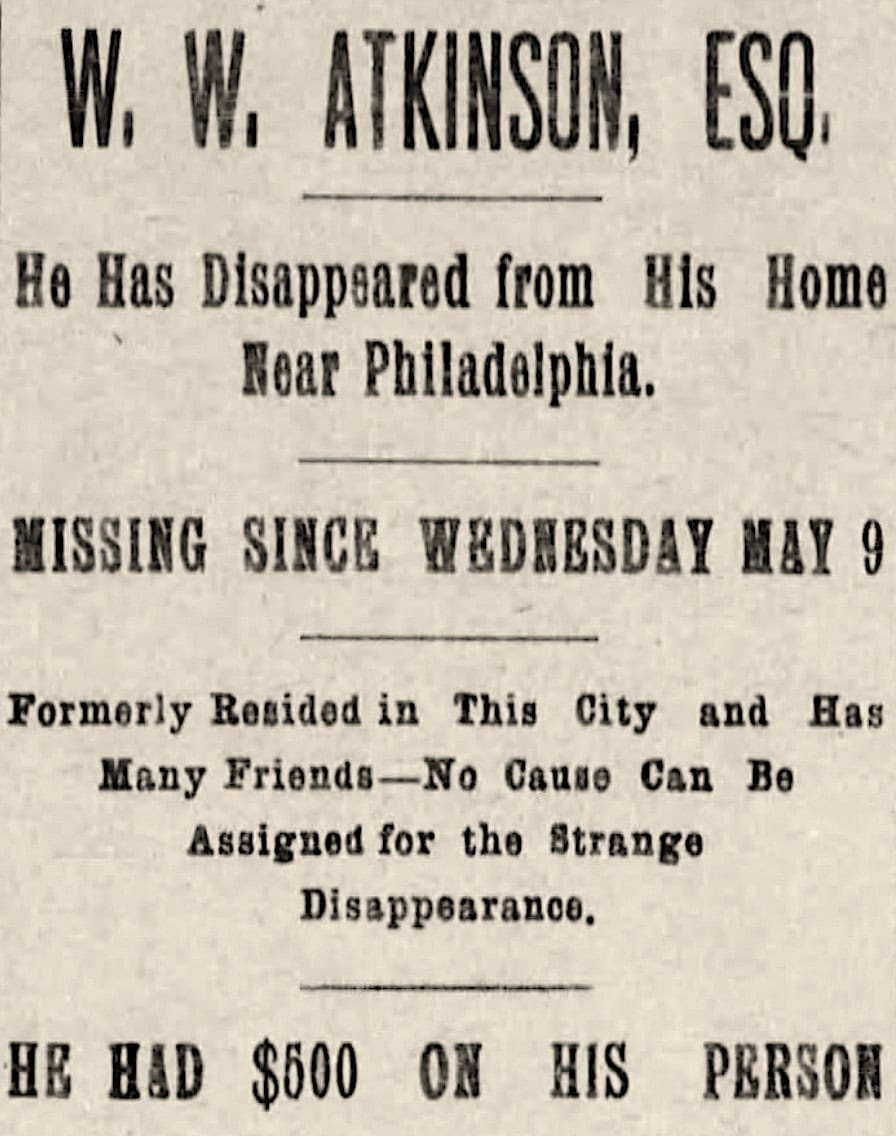
On May 9, 1900, Atkinson suddenly vanished. Without explanation, he left his office in the middle of the day, carrying several law books and about $500 in cash on him, a considerable sum at the time. When he failed to return home, his wife reported him missing, prompting police to circulate notices throughout the region and begin a widespread search. The disappearance soon made newspaper headlines. Reports appeared across the Northeast describing the mysterious case of the missing attorney and speculating that he had suffered a complete mental collapse or may have fallen victim to foul play.
Friends, family, and business associates joined the search. His former law partner, J. S. Leisenring, traveled to Philadelphia to assist in locating him, yet no credible leads emerged. Atkinson had seemingly disappeared without a trace. For Atkinson, this wasn’t the first time he had done something like this, as many years earlier, he had experienced a similar personal crisis. At the age of twenty-one, reportedly distraught over an unsuccessful romance, he had disappeared from Baltimore and later surfaced in Philadelphia after sending a series of suicide notes. Relatives hoped that this was another temporary withdrawal rather than something far worse.
Atkinson Turns Up in New York
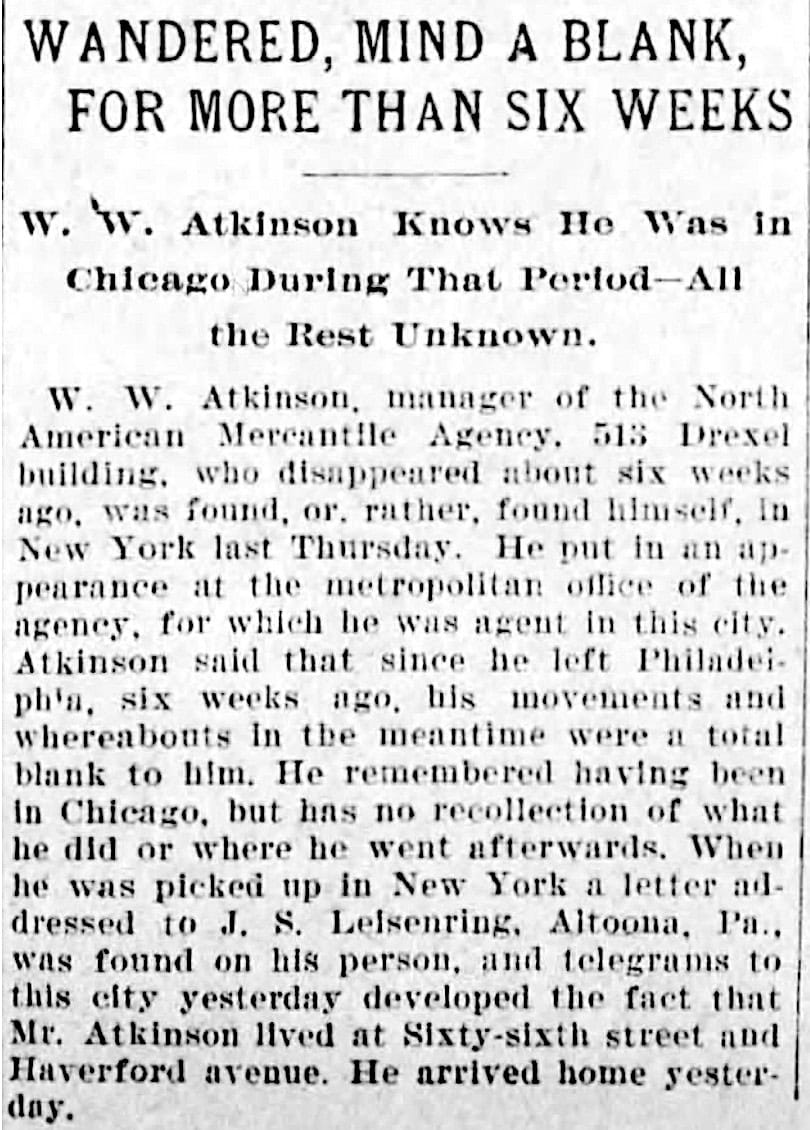
After six weeks with no word, Atkinson suddenly reappeared. On June 21, 1900, he walked into the New York office of the North American Mercantile Agency, claiming that he was lost but knew that he worked for the company. A letter addressed to his former law partner, J. S. Leisenring, was found in his possession, which helped establish his identity. When later questioned about his whereabouts, Atkinson claimed to have little memory of the preceding month and a half, except for a vague impression that he had been in Chicago, but offered no explanation of how he had traveled there or what he had done during his absence. Making the story even stranger, he soon moved his wife and child to Chicago and established himself there permanently, despite supposedly remembering almost nothing about his time in the city.
The Uncovered Photograph That Solved Atkinson’s Chicago Mystery
In a letter written shortly after his return, he publicly assured friends and family that he had recovered, but he offered no details about how or by whom the recovery had occurred. The mystery surrounding Atkinson’s secret trip to Chicago and the treatment he received there has been debated for years. Biographers, esoteric writers, and researchers have proposed a virtual who’s who of New Thought personalities as the possible healer whose influence was so profound that it transformed Atkinson’s life. However, evidence has emerged that sheds considerable light on Atkinson’s whereabouts during this critical period in Chicago.
The clue was uncovered by the YPS History Project in a photograph published in the third edition of Dr. Parkyn’s Mail Course in Suggestive Therapeutics and Hypnosis, where Atkinson appears as a student of the Chicago School of Psychology. Further research has traced the image to the school’s graduating class of July 1900.
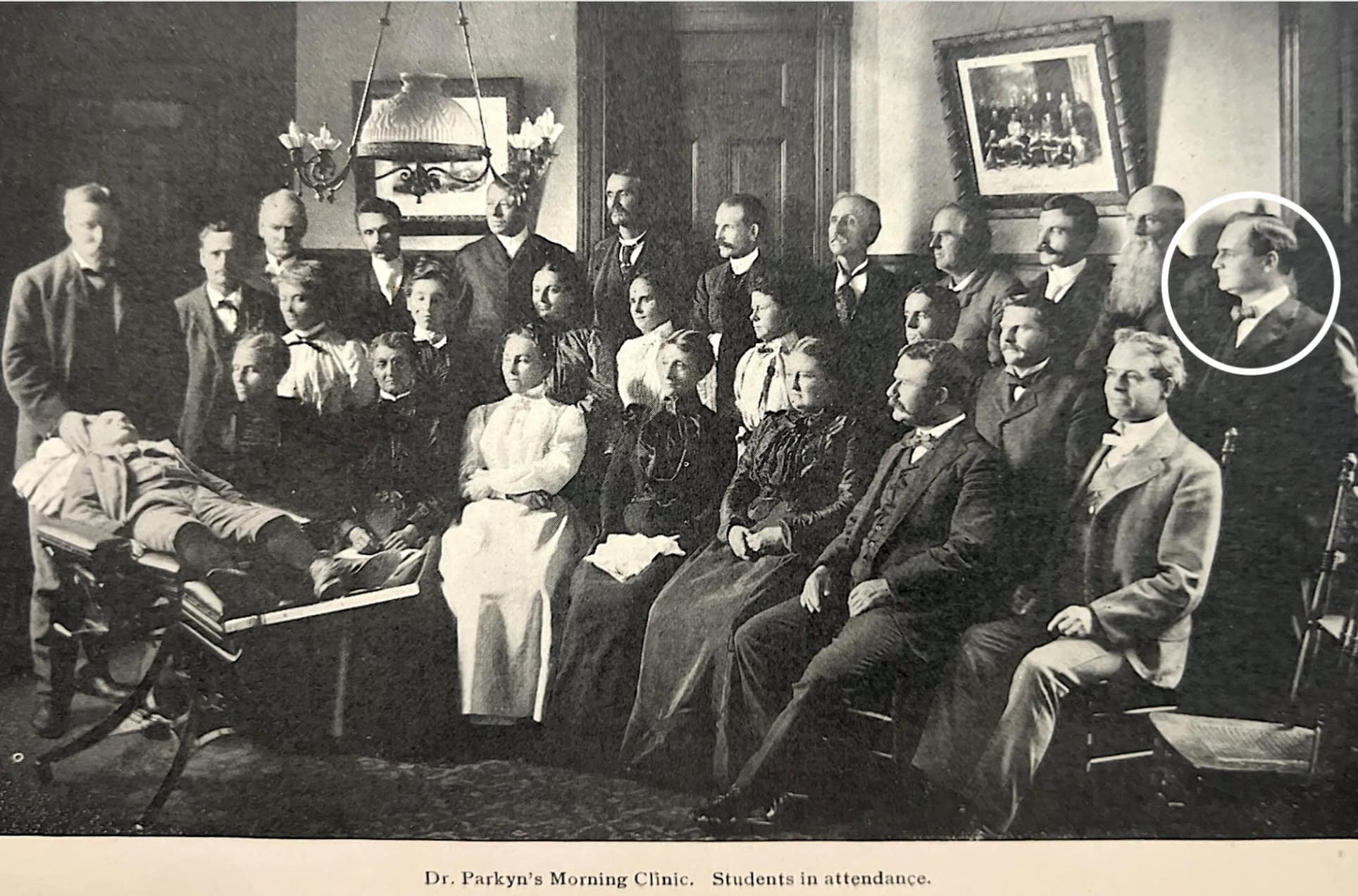
When this evidence is compared with the known timeline of Atkinson’s disappearance on May 9 and his reappearance on June 21st, we see that his sudden move to Chicago after his reappearance was not so mysterious, but was to join the July class at Parkyn’s Chicago School. With that information, it goes to reason that Atkinson was in contact with Parkyn during his time in Chicago. From Atkinson’s own later recounting of this time in his writings, he has only ever stated that he received treatment that not only completely cured him of his nervous prostration but was also so inspiring that it changed his whole life’s path.
Since the evidence now shows that after his return to his family, he immediately packed up and returned to Chicago to enroll in Parkyn’s school, it is without question that the source of his recovery and change in life was through Suggestive treatment from Dr. Parkyn. This conclusion is further strengthened by the fact that Parkyn was, at the time, the most widely recognized practitioner in the country for the successful treatment of nervous prostration through Suggestive Therapeutics.
This discovery helps resolve one of the puzzling episodes in Atkinson’s biography and sets the foundation for a lifelong collaboration between Parkyn and Atkinson.
Atkinson is Developed Into a Writer for Parkyn
After relocating to Chicago with his family in the summer of 1900, Atkinson devoted himself to the study of Dr. Parkyn’s system of Suggestive Therapeutics. While Atkinson had no previous knowledge of the New Thought movement, he had long been interested in the occult as a layperson, which allowed Parkyn to guide him into a deeper understanding of the science. During the months that followed, he became closely aligned with Parkyn’s mission to establish Suggestion as a legitimate therapeutic science that could transform society.
Since experiencing a complete recovery from nervous prostration through Parkyn’s methods, Atkinson became convinced not only of their curative value but also of their power to improve lives. The treatment he received had altered the course of his own future, and he emerged from the experience with a desire to devote himself completely to advancing the principles of Suggestion and making its benefits available to others facing similar struggles.
Parkyn recognized that Atkinson brought something unique to the movement. Unlike most of the physicians, psychologists, and mental science enthusiasts surrounding the field, Atkinson came from the world of business, law, and finance. His story was one that an increasing number of Americans could relate to. The mental and nervous collapse of an accomplished corporate attorney was not an isolated case but part of a growing problem accompanying the pressures of modern professional life. As the pace of business accelerated at the turn of the century, more and more professionals were turning to the therapeutics and ideas of the New Thought movement, and Parkyn was treating a rising number of successful businessmen and executives suffering from nervous exhaustion and stress-related disorders.
This reinforced Parkyn’s belief that Suggestion, and especially the practice of Auto-Suggestion, were in serious need to navigate the demands of the modern world. Atkinson stood as a living example of that principle. He had experienced both the pressures that produced the collapse and the methods that had restored him. Combined with his training as an attorney working within the corporate business world and his knowledge of occult subjects, he possessed a perspective that made him an ideal messenger. He could communicate the principles of Suggestion not as a physician addressing patients, but as a past successful professional who faced the same pressures they are enduring. His background, personal experience, and growing enthusiasm for the subject made him uniquely qualified to carry Parkyn’s ideas into an audience that traditional medical writers struggled to reach.
Parkyn also found that Atkinson’s experience with writing and researching legal arguments made him a persuasive communicator and a detailed research organizer. So Parkyn began introducing Atkinson’s voice into the pages of his Suggestion magazine through a series of unsigned editorials. By withholding Atkinson’s name, Parkyn could evaluate how readers responded to these ideas as he gradually expanded the magazine’s scope beyond the strictly clinical language of Suggestive Therapeutics and into larger discussions of metaphysics, personal development, and the deeper mental forces involved within the Law of Suggestion.
The experiment proved successful. Readers responded favorably to many of the anonymous pieces, and letters to the editor revealed growing interest in the more philosophical and metaphysical interpretations being introduced. Encouraged by the reception, Parkyn increasingly entrusted Atkinson to write on these subjects, using him as a vehicle to gradually expand the discussion.
Parkyn’s Experience Developing Writers Had Started with Sydney B. Flower
By the time Atkinson arrived in Chicago in 1900, Dr. Parkyn was no stranger to identifying and developing talented writers. During the previous several years, he had assembled a network of collaborators, editors, and publicists who helped communicate and promote the principles of Suggestive Therapeutics through schools, magazines, correspondence courses, and publishing ventures. Parkyn understood that the success of a movement depended not only on its ideas, but also on the ability to communicate them effectively to the public.
One of the earliest examples was Sydney B. Flower, who became associated with Parkyn in the mid-1890s. Initially serving as his publicist and promoter, Flower collaborated with Parkyn on several publishing projects and quickly assumed increasingly more important roles. He became secretary of the Chicago School of Psychology and editor of The Hypnotic Magazine, the school’s first journal. As the network expanded, Flower took on the responsibility for establishing the many affiliated schools around the country, modeled on Parkyn’s system. He also oversaw Suggestive Therapeutics, the journal created to serve as the voice for all the affiliated schools and publish their new findings on treatments and research in Suggestion. At the time Atkinson moved to Chicago, Parkyn had Flower working on another magazine called The Journal of Magnetism, which Atkinson would be moved to a year later.
**For more on Parkyn’s collaboration with Sydney B. Flower and how Flower and Atkinson would later be paired together, READ HERE.
**For more on Parkyn’s early history as a nationally known champion football and hockey player, manager, and secretary, and how he used his skills in recruiting players, organizing teams, and directing complex operations to build his later organizations, READ HERE.
Atkinson Becomes the Main Lecturer at Parkyn’s University of Psychic Science
In early 1900, Parkyn opened the University of Psychic Science as an unofficial extension of the Chicago School of Psychology. Located just around the corner from the main school, the new institution provided a forum for exploring the implications of psychology and Suggestion beyond their strictly therapeutic applications. Atkinson was charged with lecturing on Parkyn’s system of the Law of Suggestion and extending its principles into the fields of self-culture, thought-force, and psychic phenomena. Under Parkyn’s guidance, he delivered a series of lectures that blended practical psychology with contemporary discussions of vibration, thought-transference, and mental polarity. The university provided Parkyn with an ideal environment in which to develop Atkinson as a lecturer and writer, while refining ways to present the principles of Suggestion to audiences increasingly interested in New Thought ideas.
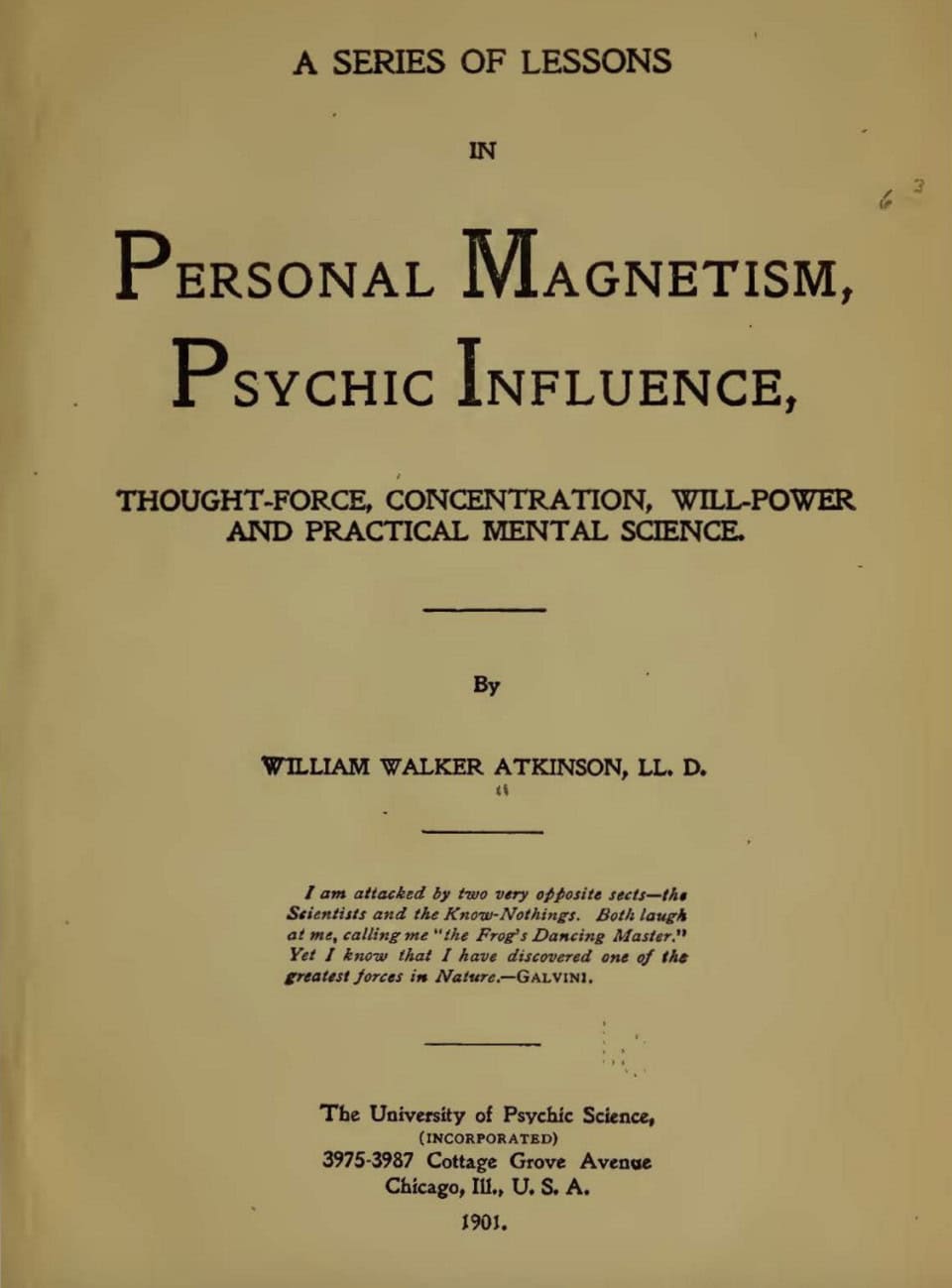
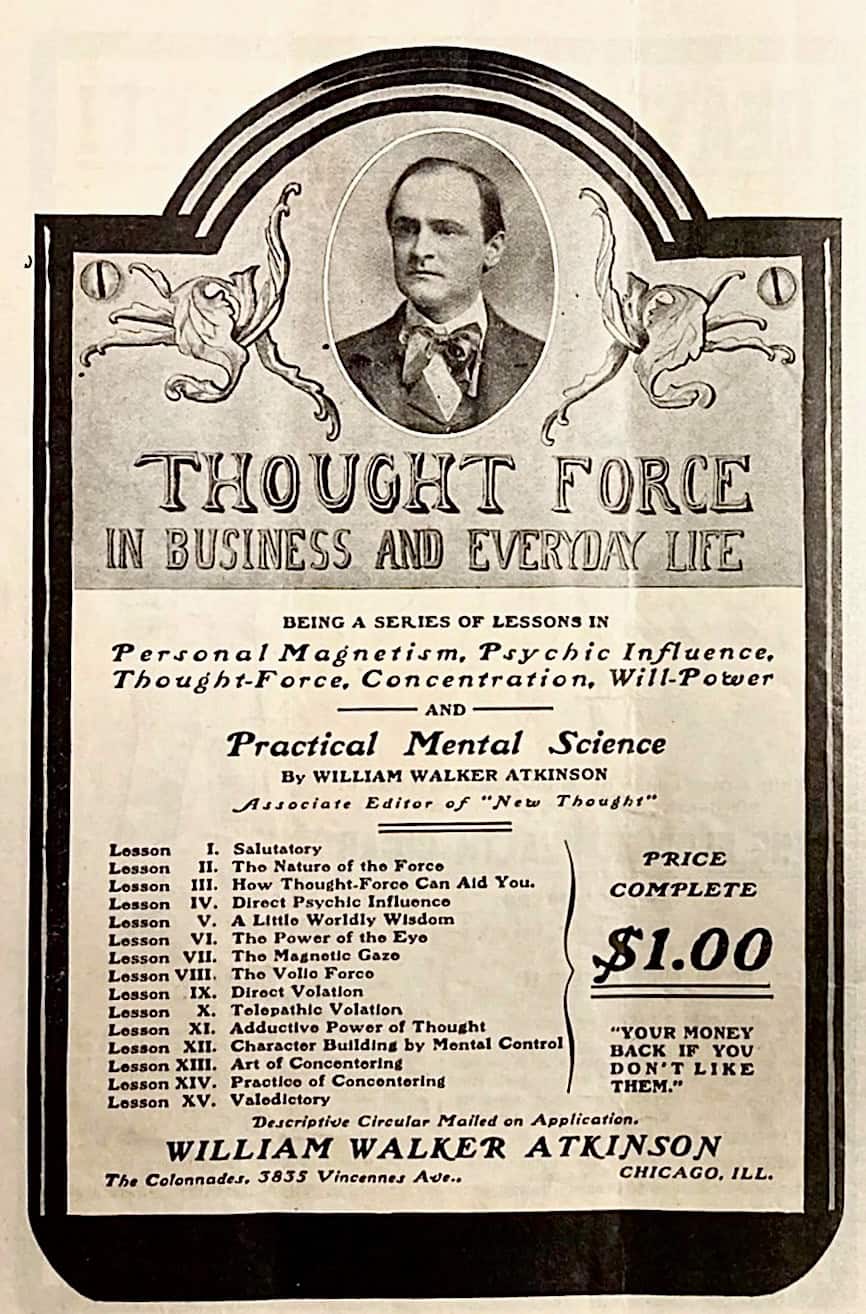
The material that Parkyn and Atkinson developed for these lectures would later be combined into one of Atkinson’s most successful books, A Series of Lessons in Personal Magnetism, Psychic Influence, Thought-Force, Concentration, Will-Power and Practical Mental Science. The ideas in this series and the following book created the foundation for the teachings and methods that would define Atkinson’s writing career and were the key to his rise to prominence within the New Thought movement. It was published by Parkyn, who would shortly later change the name to Thought=Force in Business and Everyday Life.
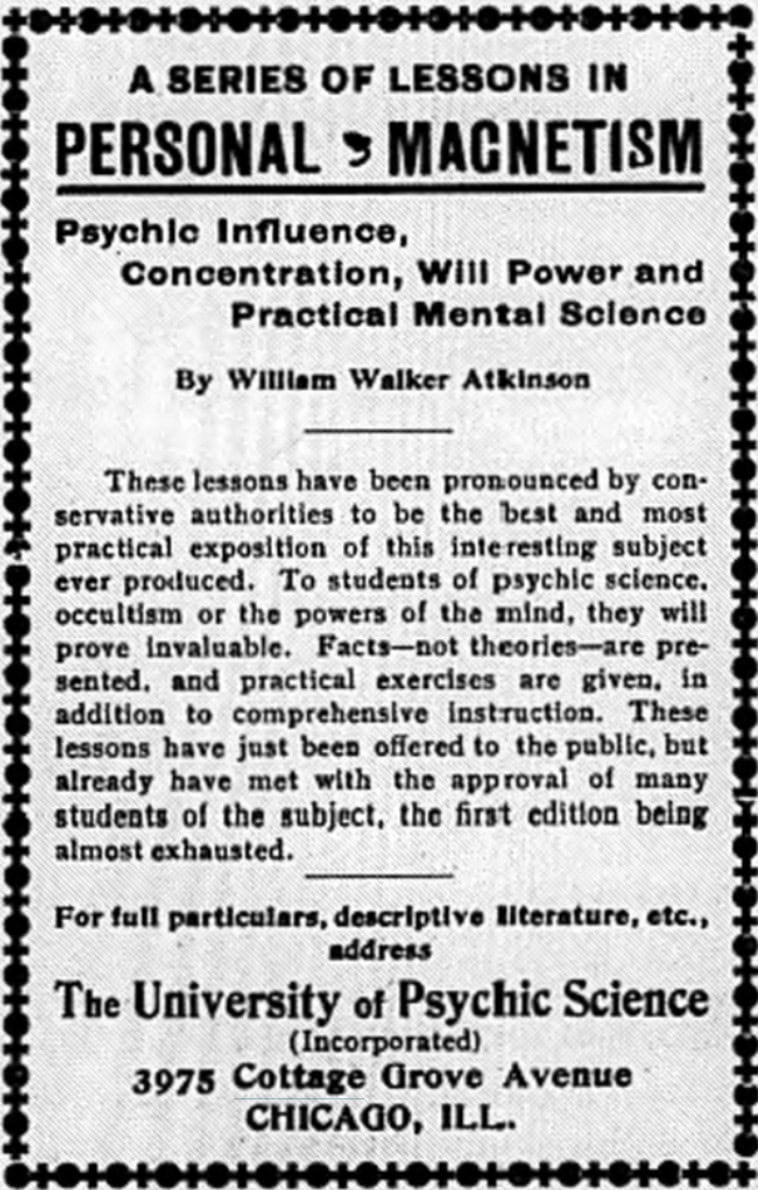
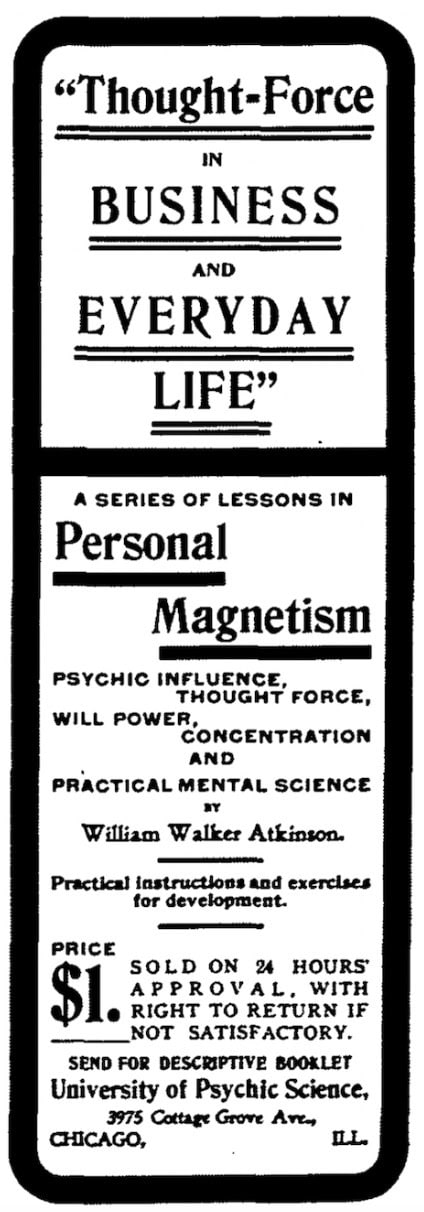

The structure of the Atkinson lecture series would follow along the instructional path of Parkyn’s Mail Course: in Suggestive Therapeutics and Hypnosis. Beginning with the functions of the mind, progressing through the identification of the real self, and moving into methods found in Parkyn’s course, including repetition, affirmation, visualization, and auto-suggestion. The series also reintroduces older concepts such as fascination, concentration, and self-culture as techniques that would help focus the mind and help with Suggestion. The older material was sourced from a vast collection of older correspondence courses, educational systems, and specialized literature through Parkyn’s company, the Mail Course Exchange. This represented an enormous reservoir of source material from which Atkinson could compile books on many different self-culture topics and then insert the Law of Suggestion at their core.
Atkinson is Tasked with Adapting Parkyn’s Teachings for the New Thought Movement
By 1900, Parkyn’s therapeutic system had already attracted a substantial following among physicians, mental science practitioners, and educated lay readers. At the same time, the rapidly growing New Thought movement was drawing increasing numbers of businessmen, professionals, and self-improvement seekers who were searching for practical methods to improve health, personal effectiveness, and success in everyday life. Many of these people were also being exposed to the metaphysical and occult ideas that had become closely associated with the movement.
Atkinson was tasked with adapting the clinical language of Suggestion into a form that appealed to New Thought readers while remaining grounded in the practical principles of the Law of Suggestion. During the preceding years, Sydney B. Flower had helped build a substantial readership around Parkyn’s educational enterprises, but Flower showed little interest in the metaphysical and occult interpretations that were becoming increasingly popular within New Thought circles. By 1900, however, much of the movement had become saturated with discussions of hidden mental powers, magnetism, vibration, and other esoteric subjects. Parkyn found himself in a difficult position. While he possessed considerable knowledge of these subjects and maintained a personal interest in them, he also needed to preserve his standing within the medical and psychological communities. Rather than directly associating his therapeutic work with the movement’s more speculative language, he increasingly relied on Atkinson to provide material on these subjects for publications.
Seven examples that illustrate the rephrasing of Dr. Parkyn’s clinical teachings into a metaphysical “New Thought” style :
- The “I Am” – Dr. Parkyn taught that true healing came from within, through disciplined suggestion, and not from supernatural forces. Teaching patients to use auto-suggestions like “I Am strong” and “I Am fearless.” This was reframed using the phrase “I AM” in its Hermetic style to emphasize that suggestion’s power lies in personal divinity and self-realization, stating, “the mental scientist asserts the ‘I AM’ with all his power.”
- Dual Mind Theory – Dr. Parkyn had expanded Thomson Jay Hudson’s dual mind theory, which divided the mind into conscious and subconscious parts, by teaching that there is only one mind with two functions: the voluntary and the involuntary. The two functions would be reframed as the active and the passive, to adapt to New Thought’s fascination with magnetic forces.
- Three-Part Structure – Dr. Parkyn taught a framework in which the divine nature of man serves as the directing principle over the mind, which in turn governs the functions of the body. This model would be reframed in metaphysical terms, stating “the I AM is the master, the body and mind are but servants. The real Ego is what one recognizes when one says to himself, I AM.”
- Repetition – Parkyn taught that mental and behavioral change occurs through repetition, writing, “voluntary effort begins the habit; repetition sends it into the involuntary where it becomes automatic.” This was reframed using magnetic imagery, describing how “the active function produces the thought-habit and repetition imparts to it the vibrations which carry it on along passive lines thereafter.”
- “I Can and I Will” – Parkyn emphasized the use of positive phrasing, such as “I can” and “I will,” as essential tools for mental conditioning, warning that negative expressions like “I will not be fearful” can unintentionally reinforce the very idea they aim to suppress. These phrases would be used in identical form and with the same caution, just combining them in the affirmation “I can and I will,” as a powerful formula for awakening the “I Am” and initiating personal transformation.
- Misidentification of Man’s Divine Nature – Parkyn cautioned against the common mistake of identifying the involuntary mind with man’s divine nature. He maintained that this part of the mind was mechanical, responsive to suggestion, and not the seat of higher moral or spiritual identity. This was reframed by stating that it was an “erroneous idea” to regard the passive mind as the “I Am.”
- Framing of Mental Energy – Parkyn described mental activity using terms like “vibrations” and “energy flow.” This language would be adopted by adding embellishments such as “vibratory impulses” and “momentum.” Stating, “the active function has the power to send forth vibratory impulses which neutralize the momentum of the thought-habit.”
Prentice Mulford’s Influence: “Thoughts Are Things”
Prentice Mulford had long been one of the most important influences on Parkyn’s thinking. When Parkyn founded the Chicago School of Psychology in 1896, he openly cited Mulford’s ideas in the school’s earliest promotional literature. However, promoting Mulford’s teachings within Parkyn’s Chicago School created an uneasy position. While Parkyn admired Mulford’s insights into the power of thought, many of Mulford’s followers approached these subjects through a highly metaphysical lens that Parkyn’s critics viewed as unscientific. As Parkyn worked to establish the legitimacy of Suggestive Therapeutics among physicians and educated professionals, he was often careful about how prominently such influences were displayed.
The emergence of the University of Psychic Science and Atkinson’s new role as lecturer and writer created an opportunity to revisit these ideas. Concepts drawn from Mulford could be explored more openly and presented to an audience already receptive to New Thought philosophy. The influence was so significant that when the lecture series was eventually compiled into book form, Mulford was honored with a dedication at the beginning of the volume. The gesture was a clear acknowledgment of the debt Parkyn’s system owed to one of the earliest and most influential voices in the movement.
*This is one of the clearest examples of where the traditional origin story of Atkinson fails to hold up. The inclusion of a dedication to Prentice Mulford in a book attributed to Atkinson cannot be reconciled with his later claim that he knew nothing about New Thought just four months before the book was completed.
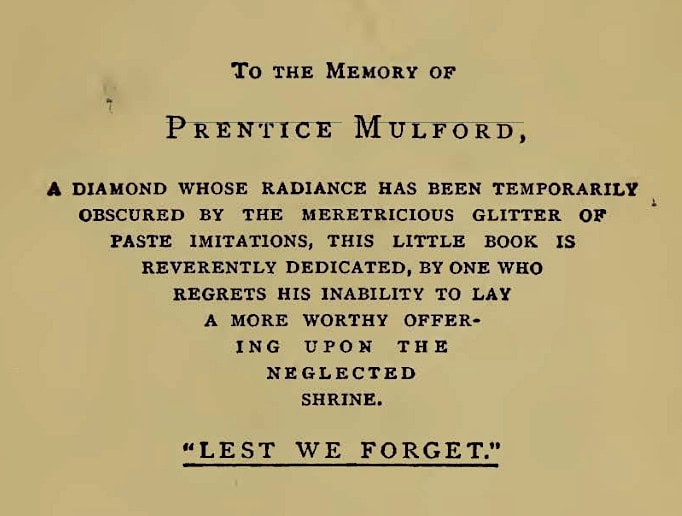
Prentice Mulford’s essays, particularly Thoughts Are Things and Your Forces and How to Use Them, provided a primary foundation for the more spiritual and esoteric interpretation of Suggestive Therapeutics that would come to define its presentation within the New Thought movement. Mulford, who had died in 1891, had been a key influence on Parkyn’s explanation of Suggestion, particularly in how he linked mental activity with external, observable outcomes.
In the very first pamphlet issued by the Chicago School of Psychology in 1896, Parkyn quoted Mulford directly, declaring that,
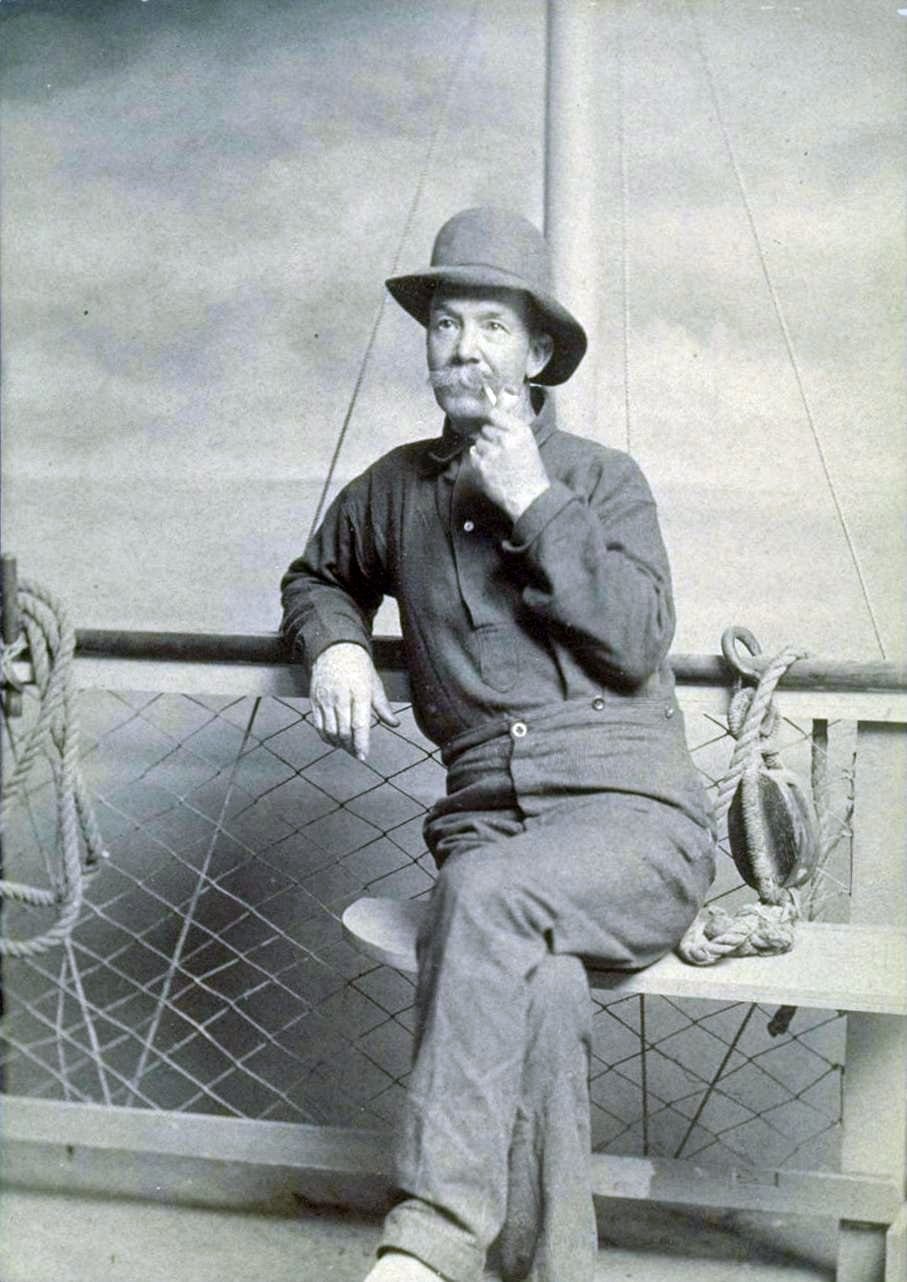
“Thoughts are things; change the thought and benefit will ensue.”
In Mulford’s writings, thought was not a passive or internal event but a radiant, energetic force moving through what he called the “thought atmosphere,” capable of impressing itself upon people, events, and the conditions of daily life. Mulford’s framework supplied the conceptual bridge that elevated simple techniques of gaze, posture, repetition, and focused attention into expressions of a higher mental law. His belief that thought could travel and exert influence independent of speech or physical proximity gave a new interpretation to older fascination practices that had traditionally been explained through will-power or nerve force.
In the lesson series, traditional exercises such as eye fixation, mirror work, and mental affirmation were retained largely intact, but were now explained through concepts such as thought-currents, volic force, and mental images impressed through the “I AM.” Through Mulford’s influence, familiar psychological practices were presented as manifestations of an invisible universal law, giving Suggestion a spiritual and energetic dimension. This fit naturally within Parkyn’s framework, as he consistently taught that personal magnetism, thought-force, concentration, success, and will-power were ultimately expressions of the Law of Suggestion.
The influence of Mulford can be clearly seen in one of Parkyn’s best-known quotes,
“Thoughts take form in action. The converse of this is true also, for our actions take form in the thoughts of others… Think the right thoughts and desirable actions will follow.”
Atkinson writes for Suggestion and becomes associate editor
By the close of 1900, Parkyn and Atkinson had spent several months developing and refining the material that would define Atkinson’s early career. Through lectures delivered at the University of Psychic Science, they had tested different methods of presenting the principles of Suggestion, discovering which ideas resonated most strongly with audiences and how far metaphysical and occult concepts could be incorporated without losing the practical foundation of the Law of Suggestion. The result was a distinct style that combined psychological instruction, self-development, and selected esoteric concepts into a form that appealed to the New Thought movement. With the lecture series completed, refined through repeated presentation, and organized into a fifteen-lesson course ready for publication early in the new year, Atkinson was ready to be introduced as a writer within the pages of Suggestion.
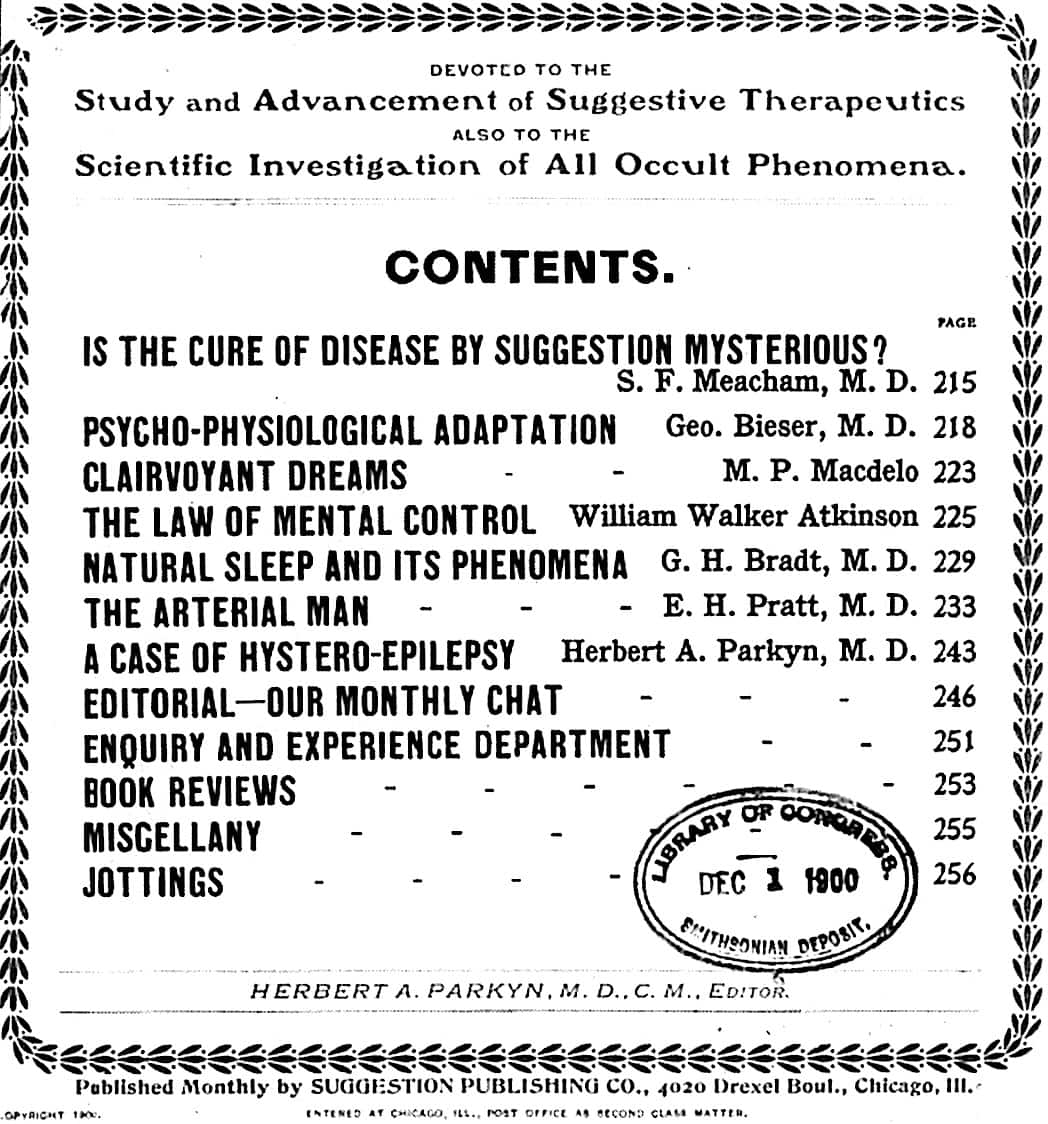
Atkinson Starts with an Introduction to a Four-Part Series
In December 1900, Atkinson’s first credited contribution to the New Thought movement appeared in the pages of Suggestion under the title “The Law of Mental Control.” The article was the first of a four-part series that included “The Functions of the Mind,” “The Real Self,” “Character Building by Mental Control,” and “I Can and I Will.” These articles presented a practical introduction to the principles underlying Suggestive Therapeutics.
Parkyn’s Editorial on Atkinson’s First Article
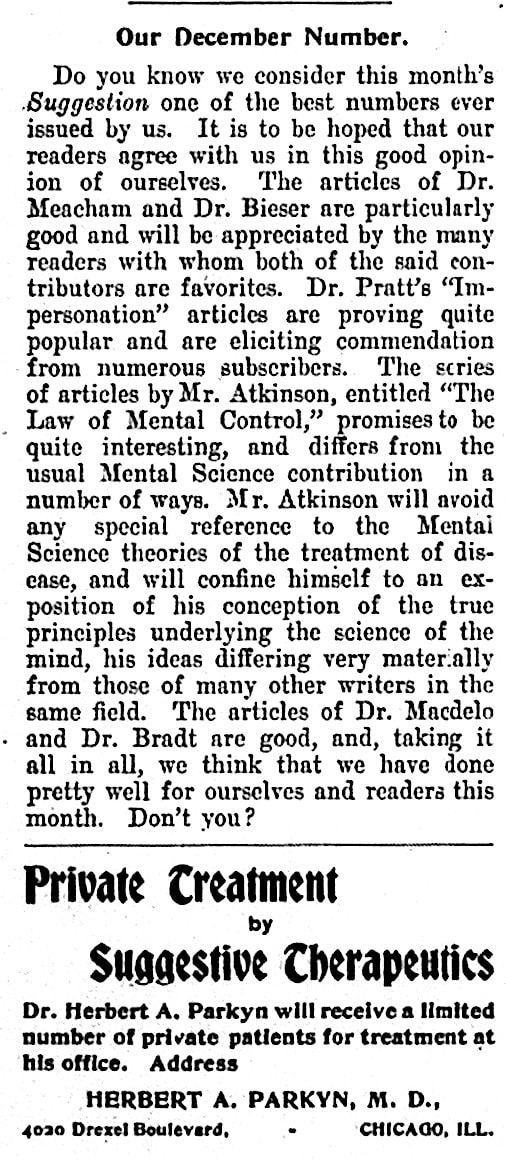
Parkyn’s comments on Atkinson’s first article series, which appeared in the editorial section, were unusual in both their tone and content. Rather than simply introducing the issue’s contributors, Parkyn went out of his way to praise the number as one of the best Suggestion had yet published and then devoted special attention to explaining the Atkinson series. Parkyn emphasized that Atkinson’s articles differed from the usual Mental Science literature. Rather than focusing on theories concerning the treatment of disease, Atkinson would concern himself with the “true principles underlying the science of the mind.”
In the editorial about Atkinson’s contribution in the issue and the four-part series to follow, Parkyn introduced it with this statement,
“the series of articles by Mr. Atkinson, entitled ‘The Law of Mental Control,’ promises to be quite interesting, and differs from the usual Mental Science contribution in a number of ways. Mr. Atkinson will avoid any special reference to the Mental Science theories of the treatment of disease, and will confine himself to an exposition of his conception of the true principles underlying the science of the mind, his ideas differing very materially from those of many other writers in the same field.” – Editor, H. A. Parkyn, M.D.
Atkinson’s First Article Reads Like a Seasoned Mental Scientist
Atkinson’s first published work raises an obvious question that has largely gone unasked by later historians. The article presents itself as the work of a writer confidently entering an ongoing debate within Mental Science. From its opening pages, Atkinson openly challenges accepted authorities in the field, rejects the popular dual-mind theory championed by figures such as Thomson Jay Hudson, and proposes an alternative framework which he presents with remarkable certainty. He does not write as a newcomer tentatively exploring unfamiliar ideas. He writes as an established authority correcting the errors of other well-established authorities.
The timeline makes this impossible to explain. Atkinson graduated from Parkyn’s Chicago School in July 1900. His first article appeared roughly 4 months later in the beginning of December. By Atkinson’s own later recollection, he possessed no knowledge of New Thought before arriving in Chicago. Yet within just 4 months, he was confidently critiquing major Mental Science theories, presenting a fully developed psychological system, and publishing in what was arguably the leading journal devoted to Suggestion and mental science.
It is equally difficult to imagine Parkyn allowing an inexperienced student to publicly challenge theories advanced by men he had known and worked with for years. The figures like Thomson Jay Hudson, whose ideas Atkinson was criticizing, were not distant authors but longtime associates of Parkyn, contributors to his magazines, and respected voices within the same intellectual circles. Parkyn had spent years building the reputation of his publications and was highly selective about the material he printed. The confidence Atkinson presented and the authority with which he wrote absolutely point to the fact that these were the thoughts of Parkyn and that he was using Atkinson as a literary vehicle through which they could be expressed. This is further bolstered by the fact that the article aligns perfectly with Parkyn’s teachings. The rejection of the dual-mind doctrine, the emphasis on a single mind operating through different functions, the central role of habit formation, the mechanics of suggestion, and the relationship between thought and action.
“The Law of Mental Control: The Functions of the Mind” Atkinson’s First Published Work (The last page of the article is unfortunately corrupted. If anyone possesses a complete copy of this article, we would greatly appreciate hearing from you.) READ the full four-part series HERE
Atkinson Becomes Associate Editor in February 1901
Readers were given a taste of the Atkinson writing perspective through the four-part series, and it appears to have been very successful. Within only two months, Atkinson moved from an unknown contributor to associate editor of Suggestion.
Parkyn’s introduction of Atkinson as the new associate editor was carefully constructed to create a public identity for a writer he intended to become an important voice within the movement. Parkyn’s description of Atkinson presented him as a longtime student of psychic phenomena who had already written several works on the subject and was now devoting his life to advancing psychic science and occultism. Yet as we know, the timeline shows Atkinson had only just arrived in Chicago about six months before graduating from the two-week Chicago school course in July 1900. By Atkinson’s own later accounts, he knew nothing of the New Thought movement before arriving in Chicago.
This was a clear application of Parkyn’s principle of “masked suggestion.” Before readers encountered Atkinson’s ideas, they were given an impression of the man behind them. Authority was established before the message was delivered. Rather than presenting Atkinson simply as a recently arrived student and former attorney, Parkyn introduced him as an established investigator of psychic phenomena, a writer on occult subjects, and a man whose life had long been devoted to mental science. The image was not a biographical summary but the creation of a professional identity through which readers would receive his future work.
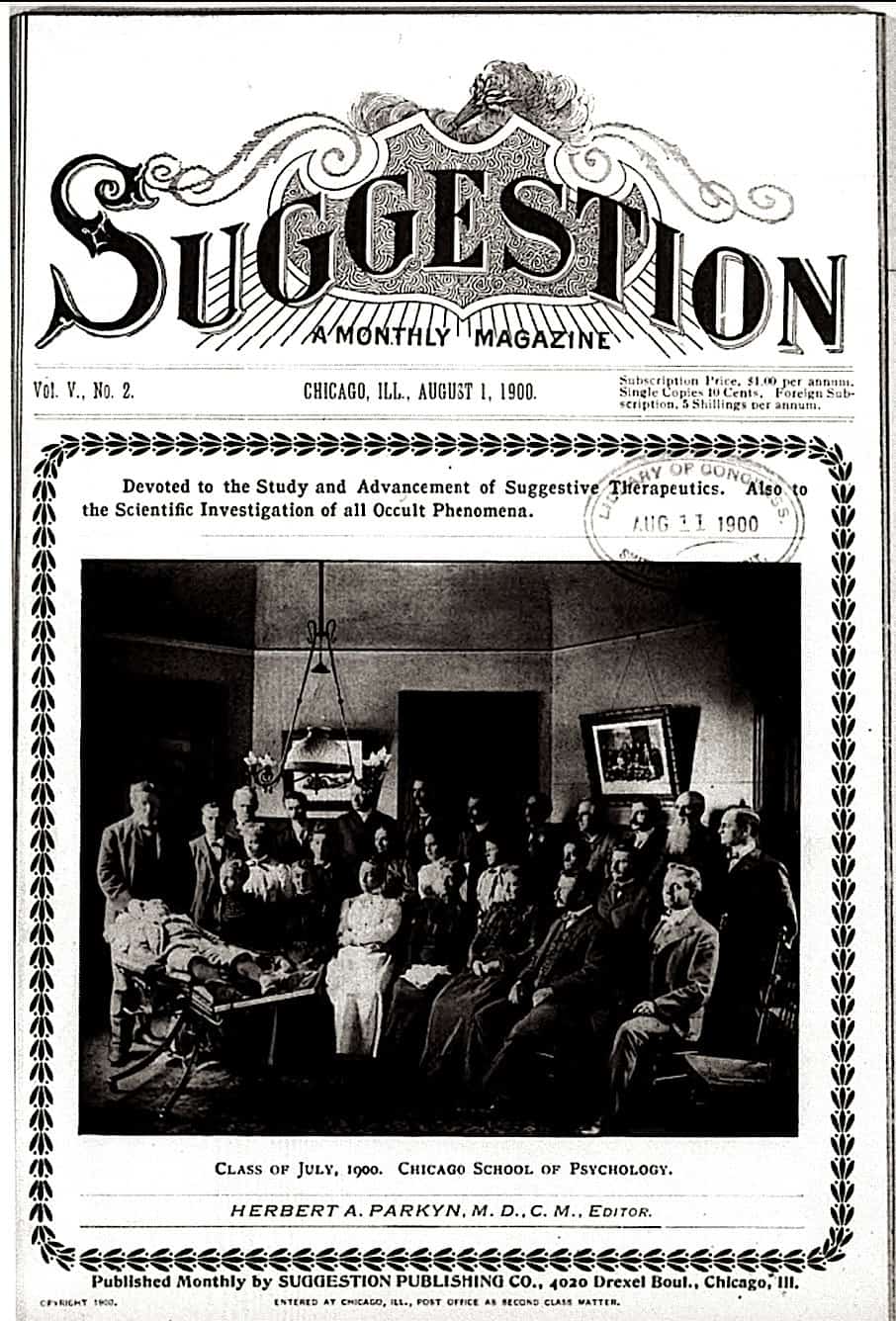
The timing of the announcement also coincided with the publication of the fifteen-lesson course, A Series of Lessons in Personal Magnetism, Psychic Influence, Thought-Force, Concentration, Will-Power and Practical Mental Science, giving Atkinson, the writer, his first substantial body of work in the field. The appearance of this course, combined with the favorable reception of the first two articles under his name in Suggestion, allowed Parkyn to present him as a far more established authority than he actually was. To make sure that the many academic and professional doctors and physicians, who had been longtime readers, were not worried that the magazine was going in a full different direction, he made sure to announce that he would still be writing on the therapeutics of Suggestion and would still be directing its policy.
Parkyn introduced Atkinson as the new associate editor to his readers with the following “masked suggestion,”
“We direct the attention of our readers to the fact that William Walker Atkinson has assumed the duties of associate editor of this journal. Mr. Atkinson, who is by profession a lawyer, has been for many years a student of psychic phenomena, and has written several works upon the subject. He has recently determined to devote his entire time and energies to the investigation, and advancement of psychic science and occultism, and our readers will receive the benefit of his work. At present, he is engaged in the investigation of the subject of psychic science as applied to the affairs of every day life, and he promises to give us some live contributions along these lines in the near future. Although Mr. Atkinson’s duties as associate editor begin only with this number, he has heretofore furnished us with editorial articles written in a lighter vein, and the breezy editorials which have appeared in this journal for several months last past, came from his pen. We are pleased to be able to announce to our readers that Mr. Atkinson will remain with us permanently, and will contribute something to each number of this journal, both in the editorial columns and in the body of the magazine. The policy of Suggestion will remain the same, Dr. Parkyn giving his personal attention to the Suggestive Therapeutic features of the journal, as well as directing its policy.” – Editor, Herbert A. Parkyn, M.D.
The strategy served an important purpose. Parkyn had spent months developing Atkinson as a lecturer and writer. The enthusiastic response to his early contributions suggested readers were receptive to his style and approach. Elevating Atkinson’s status helped ensure future articles would be received not as the opinions of a newcomer but as the work of a recognized authority in psychic science. It marked the start of a process through which William Walker Atkinson transformed from a recently recovered patient into one of the most influential names in New Thought publishing. They continued to use “masked suggestion” in their collaborations for many years, including with Yogi Ramacharaka and others.
Atkinson Assists Parkyn in his Psychic Investigations
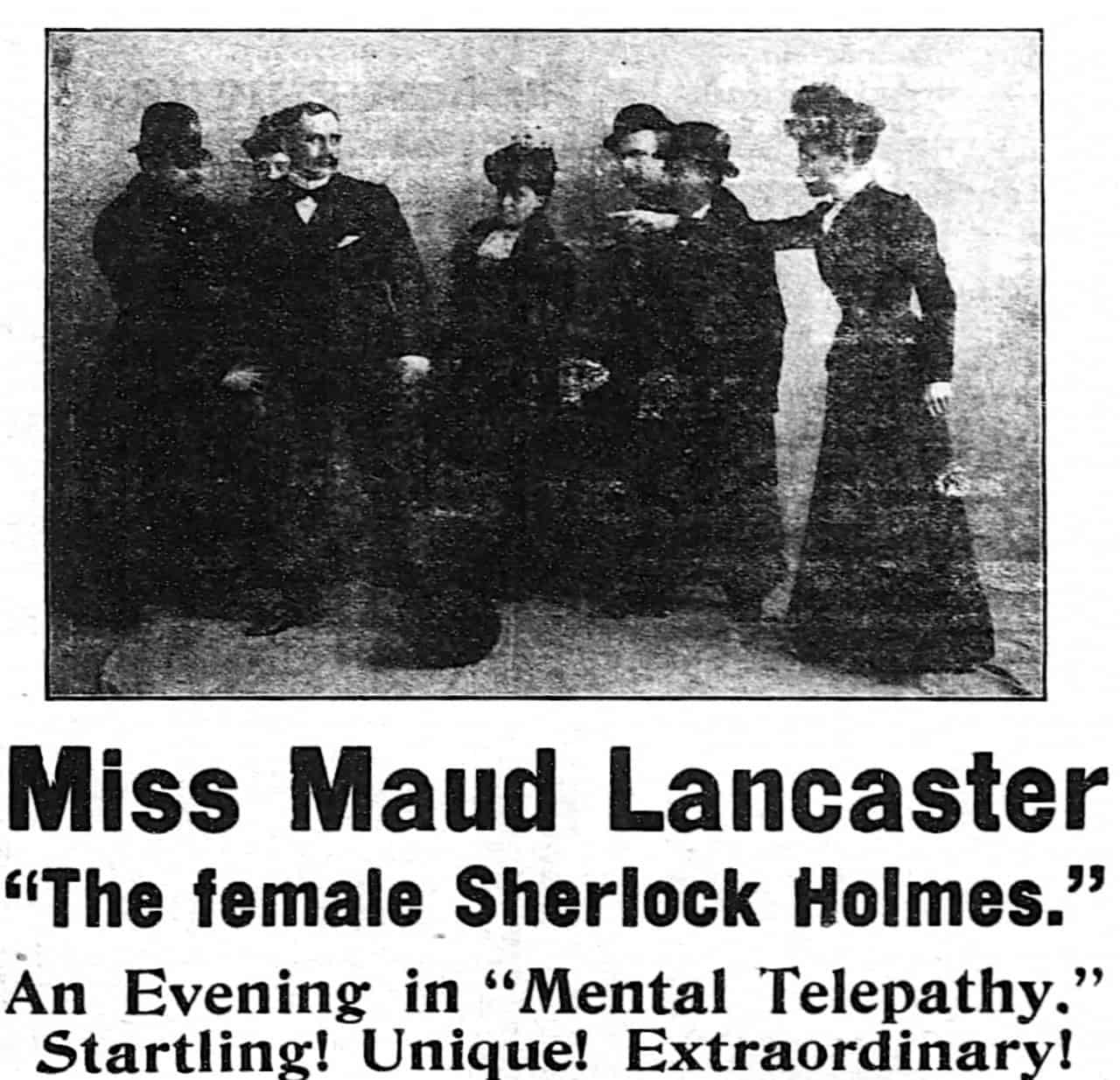
As Atkinson’s role within Parkyn’s organization expanded, he increasingly accompanied him in public investigations of psychic and occult claims, much as Sydney Flower had done. One of the most famous of these involved Miss Maud Lancaster of London, the self-styled “Lady Sherlock Holmes,” who claimed to possess genuine telepathic abilities.
After attending one of her Chicago demonstrations, Parkyn publicly challenged her claims and arranged a second test under controlled conditions, with Atkinson serving as his assistant. When the demonstrations failed under strict observation, Parkyn concluded that claimed telepathic abilities were the result of suggestion, unconscious cues, and audience influence rather than true telepathy.
“Atkinsonia” Spreads Throughout the New Thought Movement
Atkinson’s articles in Suggestion magazine, which blended Parkyn’s teachings with metaphysical and occult imagery, were exactly what a large segment of the New Thought audience was looking for. For professional medical researchers and mental scientists, the more clinical and scientific articles, along with the detailed patient case studies, were highly valuable. To the average layperson, however, such material was often too technical and specialized. The Atkinson articles were filled with inspiring imagery and quasi-religious undertones that suggested the possibility of accomplishing seemingly extraordinary feats, appealing directly to spiritual seekers and those interested in the hidden powers of the mind. Parkyn was careful, as editor, that the articles emphasized that these were not mystical powers, but natural laws operating through the Law of Suggestion. Yet much of the language and imagery being introduced functioned as a form of “masked suggestion,” encouraging readers to dig deeper into the science while presenting it in a more attractive and accessible form.
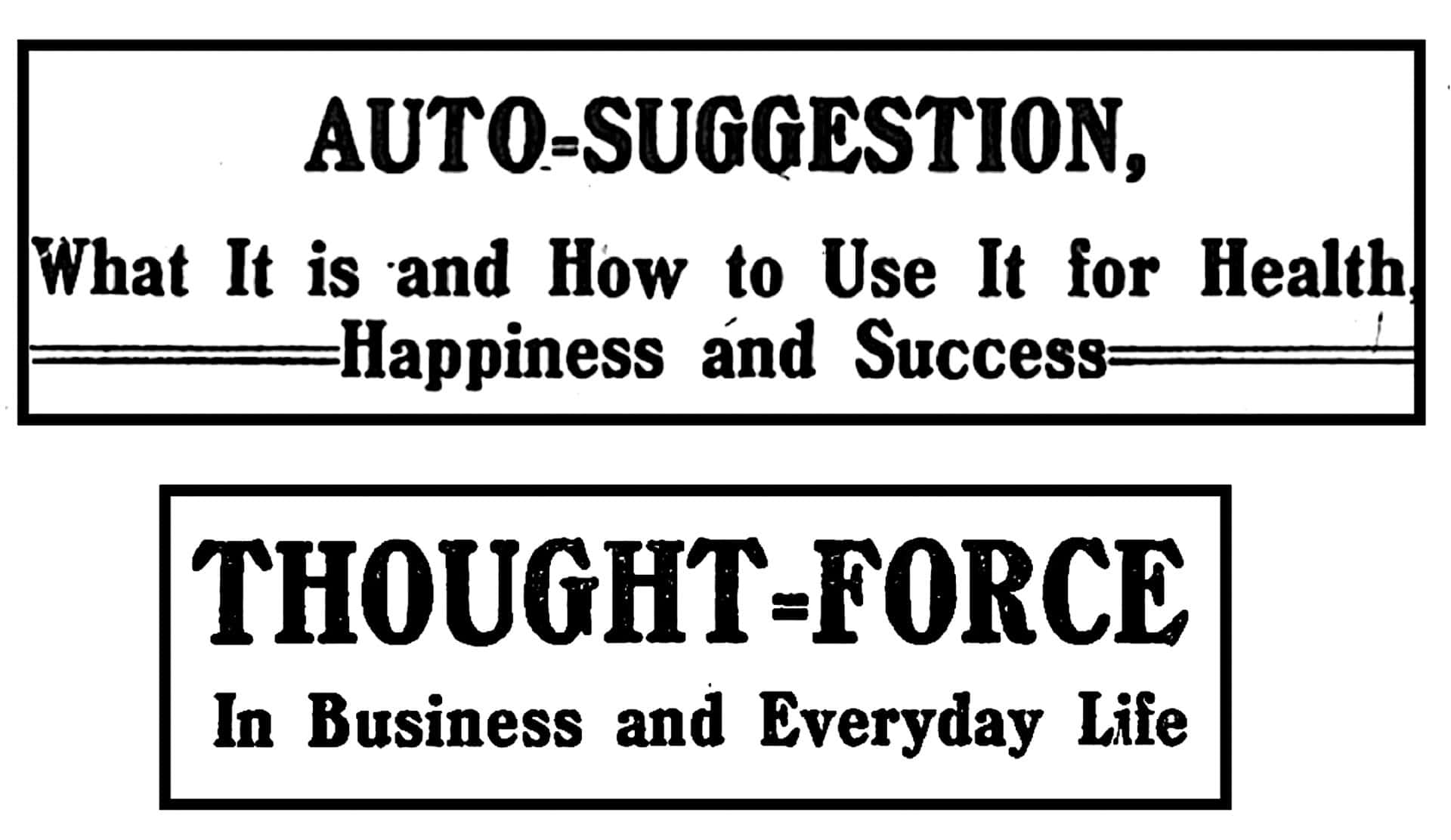
Soon, the Atkinson articles were being reprinted in journals and newspapers around the world. People within the New Thought movement were discussing them in study groups and societies, and the fifteen-lesson course was selling rapidly, quickly passing through multiple printings. To make the rather scientific-sounding A Series of Lessons in Personal Magnetism, Psychic Influence, Thought-Force, Concentration, Will-Power and Practical Mental Science more appealing to a larger audience, Parkyn retitled the work Thought=Force in Business and Everyday Life. The new title capitalized on the growing popularity of the phrase “Thought-Force,” which had become one of the central themes associated with the course. Parkyn even used an equal sign (=) between the words Thought and Force as a distinctive marketing device, something he would later repeat in 1905 with his Auto=Suggestion, What it is and how to Use it for Health, Happiness and Success.
Atkinsonia
The creation of Atkinson as a psychic scientist persona, and the direct application of Suggestion to the metaphysical and occult yearnings of the public, worked better than anyone could have expected. Parkyn was quick to capitalize on the success and branded the phenomenon with the term “Atkinsonia,” creating an atmosphere in which followers felt they were entering an exclusive world of New Thought ideas and special truths. Before long, the term began appearing in journals and newspapers as a shorthand way of describing the particular blend of New Psychology, Suggestion, and the metaphysical concepts favored by Spiritualists and Occultists.

Atkinsonia Gets Too Big for Suggestion magazine
While the success of the Atkinson articles significantly increased subscriptions to Parkyn’s Suggestion magazine, it also generated a growing number of letters requesting more material of a similar nature. This created a problem. Suggestion was the foundational journal for the scientific study and therapeutic application of the Law of Suggestion. If it became known primarily for metaphysical and occult writing, it risked damaging the carefully cultivated reputation that Parkyn and his associates had spent years building. What had begun as an experiment to introduce limited discussions of these subjects was now threatening to overwhelm the magazine itself.
At the time, Parkyn’s Suggestion magazine featured a full stable of well known advanced thought writers. These included Dr. S. F. Meacham, Dr. E. H. Pratt, and Dr. George Bieser contributing articles to every issue and frequent contributions from Dr. W. Xavier Sudduth, Prof. Stanley L. Krebs, Dr. F. W. Southworth and others. Parkyn himself also contributed to nearly every issue. With so many established voices filling its pages, Parkyn had no desire to push aside these contributors, nor did he have unlimited space within the magazine.
Parkyn recognized that the timing was right for a publication devoted entirely to the spiritual and philosophical dimensions of the mental sciences, presented openly in the language of New Thought. With other changes already taking place throughout his publishing network, the opportunity could not have been better. The solution was to create a new magazine centered around “Atkinsonia” itself. That magazine would be called New Thought.
Atkinson Is Tasked to Start New Thought Magazine
To understand why Atkinson moved from Suggestion magazine to New Thought magazine, it is necessary to step back for a moment and look at the larger publishing network that Dr. Parkyn and his collaborators were building.
The Journal of Suggestive Therapeutics becomes The Journal of Magnetism
In 1901, Sydney B. Flower was Parkyn’s closest collaborator and oversaw several ventures that grew out of the school’s success. Since the mid-1890s, the two men had worked together to promote the principles of Suggestion and the new mental sciences to an increasingly national audience. Yet Parkyn’s publishing network was once again in transition.
In mid 1900, postal authorities investigated the Journal of Suggestive Therapeutics, which Flower was editing at the time. The publication ultimately lost its second-class mailing privileges after officials determined that it functioned primarily as a promotional vehicle for Parkyn’s Chicago School of Psychology. Since an institution could only maintain one publication under the special mailing classification, Suggestion retained its privileges while the Journal of Suggestive Therapeutics was effectively driven out of business. The episode also placed Flower under the scrutiny of postal authorities, who would continue to watch his activities closely.
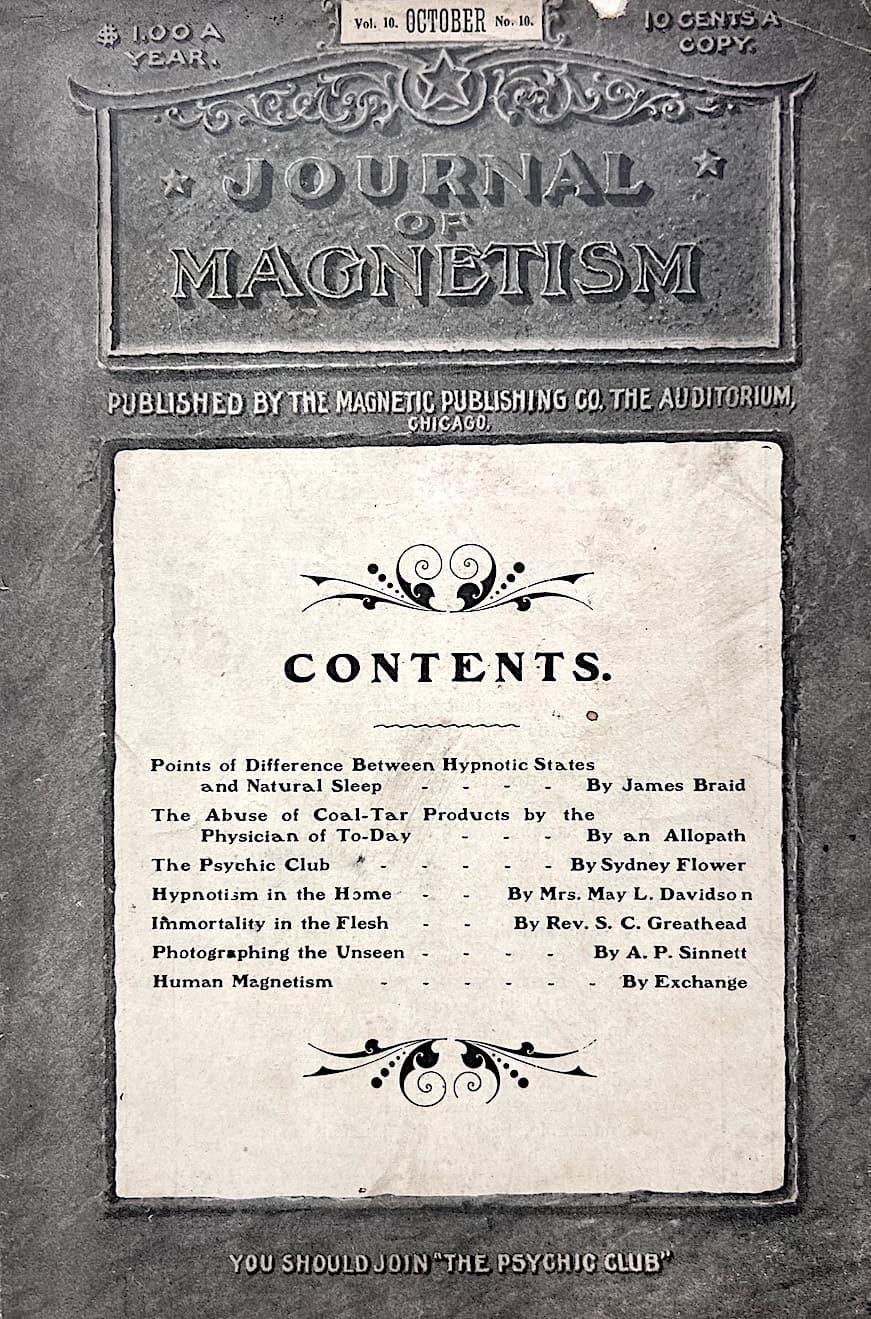
A replacement publication was needed immediately to absorb much of the old operation, including its subscribers, contributors, advertisers, and staff. Parkyn turned to Lloyd Kenyon Jones, an early graduate of the Chicago School and longtime associate, to launch and edit a new magazine titled The Journal of Magnetism. The title was carefully chosen to capitalize on the growing fascination with magnetic healing and magnetic science that was sweeping through New Thought circles at the time. Flower remained largely in the background while the attention surrounding the postal investigation subsided, gradually resuming editorial control as conditions improved.
The Psychic Club
The new publication, however, faced many of the same obstacles as its predecessor. Despite its new editor and new name, The Journal of Magnetism was unable to secure the valuable second-class mailing privileges. Postal authorities were becoming increasingly aggressive in their efforts to regulate the rapidly expanding world of mental science, magnetic healing, and metaphysical publishing. Parkyn and Flower responded with a creative solution. In March 1901, they organized the Psychic Club, a membership-based association of practitioners and investigators interested in psychic research and the mental sciences. For an annual fee of one dollar, members received the magazine along with access to the growing network. By shifting distribution away from traditional newsstands and toward a subscription membership model, the publication could remain profitable regardless of postal restrictions.

The Psychic Club was tied in with the Parkyn network and operated in affiliation with the University of Psychic Science. Flower resumed his efforts to establish affiliated schools, beginning with the School of Psychic Science in downtown Chicago in May 1901, and he also ran the Psychic Research Company, which served as the organization’s publishing arm, creating a unified system of schools, publications, memberships, and educational programs. The concept proved successful. Within a matter of months, membership in the Psychic Club exceeded 5,000 individuals spread across the United States and Canada. Parkyn hoped the new organization would restore the momentum that had been lost after the postal investigation and return Flower to the position he had once occupied as one of the most successful editors in the mental science publishing world. Flower had been instrumental in building some of the movement’s most influential publications, and Parkyn was determined to place him once again at the center of a thriving enterprise.
Yet despite these efforts, one problem remained. Although The Journal of Magnetism survived throughout 1901, it never fully captured the enthusiasm of readers and struggled to gain the momentum that Parkyn and Flower had hoped for. The timing, however, could not have been better. By this point, the Atkinson persona had proven to be a remarkable success, attracting thousands of readers and subscribers through his articles in Suggestion. At the same time, Parkyn and Flower were searching for a new direction for the struggling magazine. The solution was obvious. Atkinson would be brought over to The Journal of Magnetism, which would be gradually reshaped around the rapidly growing New Thought audience that had formed around his writings.
Flower had already been working closely with Atkinson for some time, helping to shape the language and presentation of his articles in ways that promoted many of the magnetic healing, mental science, and suggestive therapeutics concepts that Parkyn’s network was advancing. Bringing Atkinson into the magazine was therefore not the beginning of a new relationship, but the continuation of a collaboration that was already well underway.
New Thought Magazine
In November 1901, Atkinson announced that he was stepping down from his position as associate editor of Suggestion magazine. In a brief personal notice to readers, Atkinson stated that he had “severed” his connection with the journal and would be devoting himself to “new fields of work and new methods of bread-winning.” He also emphasized that relations between himself, Dr. Parkyn, and the magazine remained “of the friendliest nature.”

The crafted public announcement was aimed at maintaining a degree of separation from Parkyn, which was becoming increasingly important. With both Sydney Flower and William Walker Atkinson widely recognized as Parkyn’s close associates, a magazine edited by the two men could easily be viewed as little more than another extension of Parkyn’s existing operations. Such an arrangement would have presented difficulties. While Parkyn’s reputation rested upon his work as a physician, educator, and researcher in Suggestive Therapeutics, the new publication was intended to explore a much wider range of subjects, including many metaphysical, spiritual, and philosophical themes that were attractive to readers within the New Thought movement. Having the venture develop under its own identity created distance between it and the Chicago School of Psychology.
The First Atkinson Articles Appear in Dec. 1901
In December 1901, Atkinson contributed his first articles to The Journal of Magnetism, including a lengthy foreword in which he presented the full story of his transformation from a Pennsylvania attorney suffering a severe mental and physical breakdown into a man restored to “health, happiness, and life” through New Thought. The article would become the foundation of the Atkinson origin story that has been repeated for more than a century.
What is most striking about the account is what it does not contain. Despite Atkinson’s extensive involvement with Dr. Parkyn over the previous eighteen months, there is not a single mention of Parkyn, the Chicago School of Psychology, the University of Psychic Science, or Suggestion magazine, all of which had been central to his development. Instead, readers are told that contact with the New Thought, a movement he had previously known nothing about, restored his health and transformed his outlook on life. He also explains that, after finding himself in a new city with no realistic opportunity to resume his legal career, he simply began writing about New Thought, with the ideas flowing magically from him.
Below is the article “A Fore Word,” from Dec. 1901.
The article is introduced as an effort to place his personal history before readers once and for all so that everyone could move forward together. Yet the complete absence of any reference to Parkyn and the network surrounding him is revealing. Not only are the connections omitted, but every identifiable link that might have led a curious reader back to the people and organizations responsible for launching Atkinson’s new career is carefully excluded from the narrative.
Atkinson goes even further by acknowledging that while some considered him a mental scientist, he insists that he “bears no ticket to any particular school of New Thought” and “wears no badge to any special leader.” Later researchers accepted this at face value and interpreted it as evidence that Atkinson had separated himself from Parkyn and was operating independently. As already demonstrated, however, the historical record points in a very different direction. Parkyn had played the central role in Atkinson’s transformation, had provided the institutions through which he first entered the field, and was actively involved in the publishing network that was now transferring him to a new magazine. The public appearance of independence served an obvious purpose.
Atkinson’s articles continued to illustrate the continuity between his work and the Parkyn network. Among the articles were the familiar “I Can and I Will,” examinations of Prentice Mulford’s famous concept “Thoughts Are Things,” and commentary on the legal struggles of Helen Wilmans and her battles with the United States Postal Service. Wilmans was someone Parkyn knew but could not openly defend in the pages of Suggestion because she was a famous “Absent Healer.” Atkinson’s article argued that the attacks against her were, in reality, attacks against the entire New Thought movement, a position that closely mirrored that of the Natural Healers Protective League, an organization that Parkyn was behind.
Atkinson contributed a total of six articles in his very first contribution to The Journal of Magnetism. Readers were also offered a free copy of a pamphlet titled The Secret of the I Am under Atkinson’s authorship as an incentive for joining the Psychic Club. The sheer volume of material available from the outset is telling. Rather than appearing as a writer who had simply arrived at a new publication, Atkinson entered the magazine with enough content to immediately become its central attraction, suggesting that the transition had been planned well in advance.
The Journal of Magnetism is changed to New Thought
The story of how The Journal of Magnetism became New Thought is preserved in Atkinson’s article titled “Renaming the Child,” in the very first issue of New Thought in January 1902. Describing the transition, Atkinson explained that one of his first recommendations after joining the magazine was to change its name. According to his account, Sydney Flower, whom Atkinson referred to as “Brother Flower,” was initially reluctant. Having already experienced the disruption caused by previous changes in title and format, Flower feared that another rebranding would once again affect subscriptions and distribution. Atkinson humorously recalled that after applying a little “Thought-Force” to Flower, he finally agreed to consider the idea.
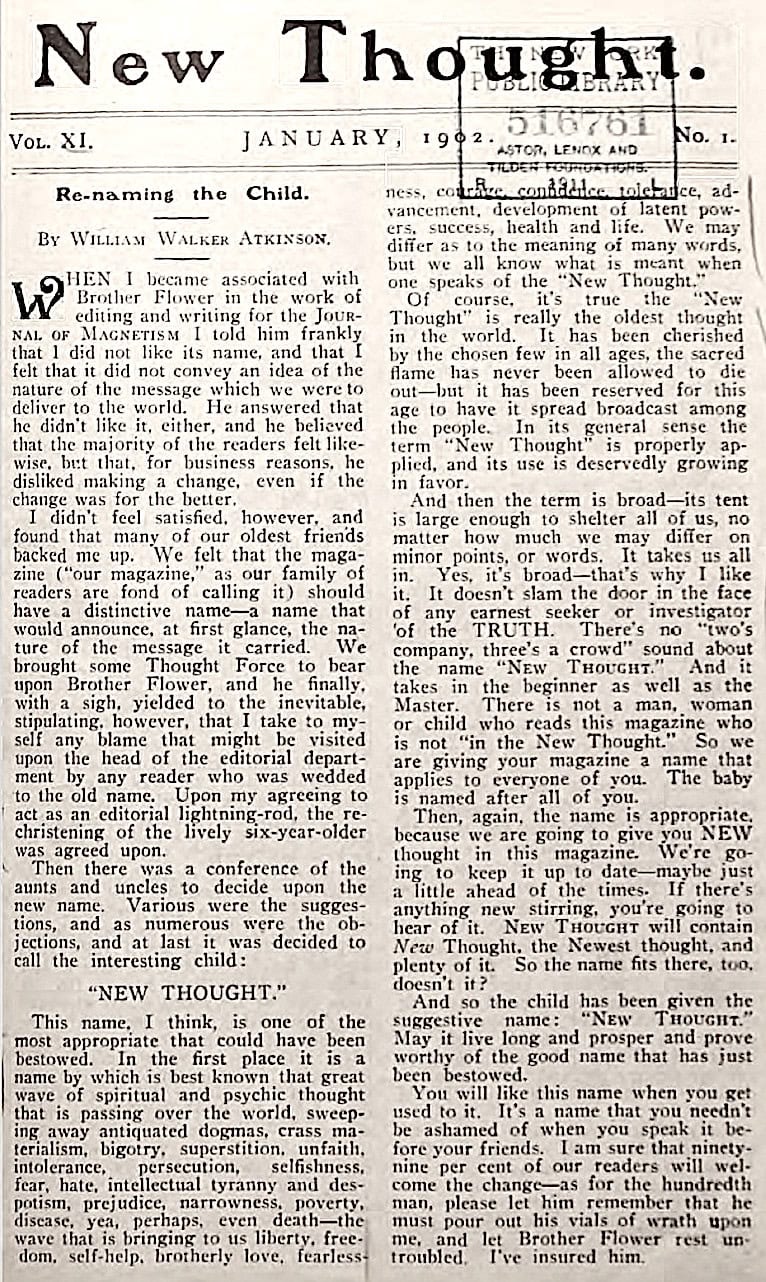
The story then introduces “a conference of the aunts and uncles.”
After Sydney Flower was persuaded to consider the change, “there was a conference of the aunts and uncles” to determine what the “interesting child” should ultimately be called. Rather than describing the decision as one made by two editors, Atkinson portrays the magazine as a child whose identity was determined by a larger “family.” The language strongly suggests that Flower and Atkinson were not acting alone, but as members of a larger circle that exercised authority over the publication’s direction.
Atkinson’s quote: “There was a conference of the aunts and uncles to decide upon the new name. Various were the suggestions, and as numerous were the objections, and at last it was decided to call the interesting child: ‘NEW THOUGHT.”
Exactly what Atkinson intended by these family references has not been determined with certainty. While the phrase “a conference of the aunts and uncles” sounds like a colloquial saying, our research has not found it to be so. So one possibility is that he was referring metaphorically to the senior members of the publishing network, with Dr. Parkyn himself among them. Another possibility is that the language reflected actual family relationships. Parkyn’s father, James Parkyn, had financed the founding of the Chicago School of Psychology and continued to support many of its publishing ventures. His wife, Herbert’s mother, was Margaret Beale Atkinson. Her brother, Herbert’s uncle, was William Kirby Atkinson, owner of the major newspapers The Leader and The Telegram in nearby Eau Claire, Wisconsin, who was also involved in financing and expanding Parkyn’s network. Lloyd Kenyon Jones, who was tasked with starting The Journal of Magnetism, worked as a journalist at his newspaper, and that was how he became aware of the Chicago School of Psychology when it first opened, becoming one of its first graduates.
While no genealogical connection to William Walker Atkinson has yet been established, both families trace their roots to the Scotch-Irish migration from Ulster, Northern Ireland. In the early 1900s, it was common for people with the same surname and shared ancestral roots to claim a kinship connection, even without strict documentation. If you met someone with your surname from the same background, the default assumption was that you belonged to the same extended family tree. So it would be perfectly acceptable for William Walker Atkinson to reference Parkyn’s mother, Margaret Beale Atkinson, and his uncle, William Kirby Atkinson, as aunt and uncle.
Whether Atkinson’s references were purely symbolic or reflected actual family relationships remains uncertain. What is clear is that the article presents the magazine’s renaming not as the decision of two independent editors, but as the product of a larger network whose members exercised influence behind the scenes. Future research may reveal exactly what Atkinson had in mind.
The Name That Defined a Movement
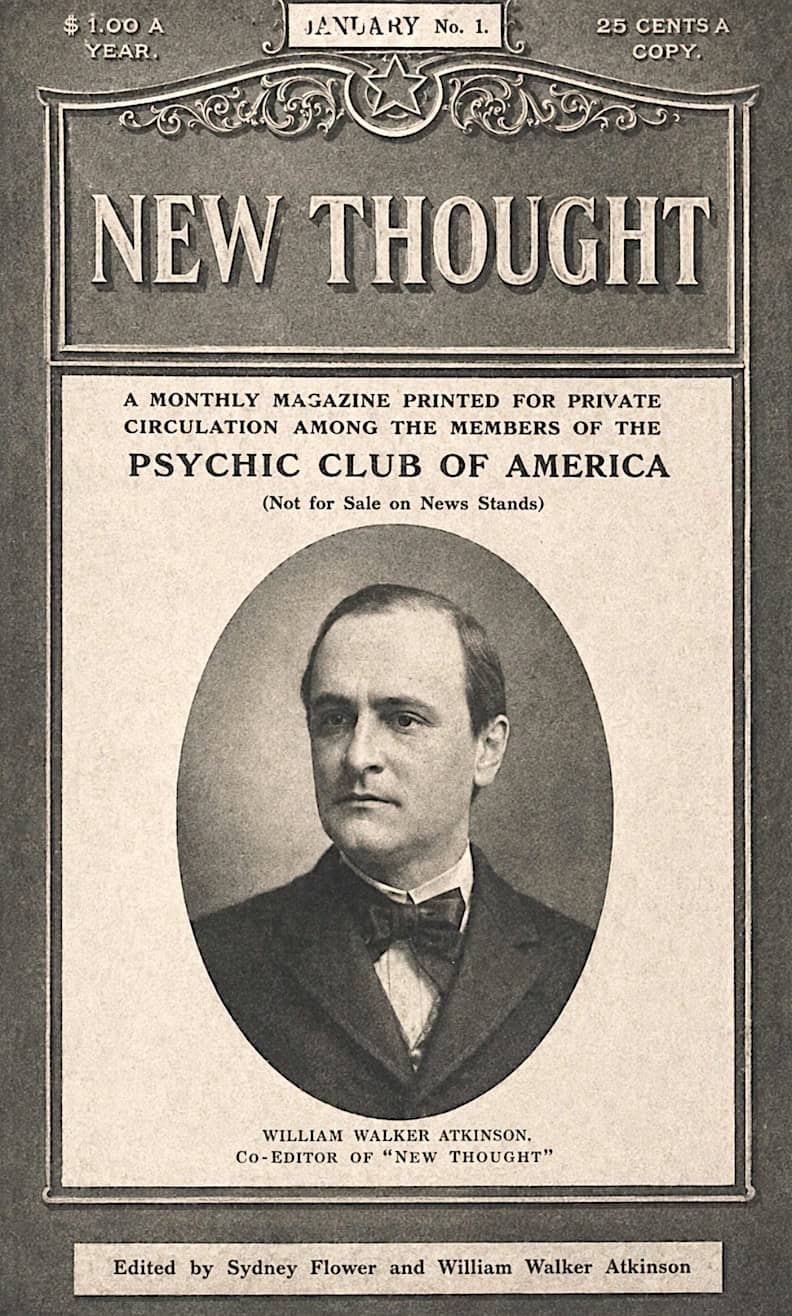
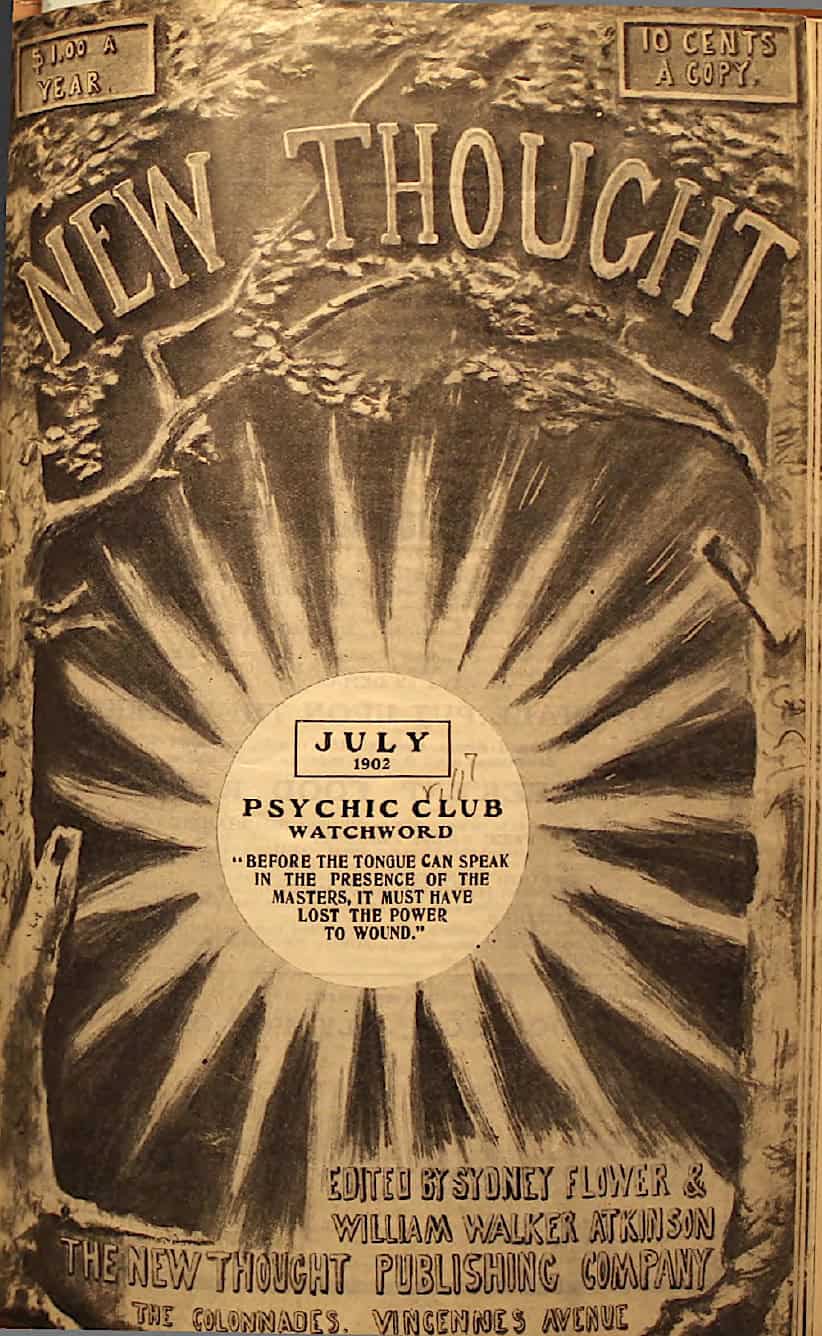
Choosing the name New Thought continued their policy of adopting the popular terminology that would help define the movement, just as they had with Suggestive Therapeutics and Suggestion magazine in the late 1890s. It aimed to make New Thought not merely an inspirational slogan but a tested approach to living. New Thought magazine quickly became the largest and most influential periodical in the movement. Within two months, it established its main offices at 3835 Vincennes Avenue, just a few blocks from Parkyn’s Chicago School and University of Psychic Sciences.
The public announcement for New Thought declared:
The journal New Thought stands for advanced ideas that work for man’s betterment, freedom, independence, success, health, and happiness. It carries the banner of tolerance, broadness, human brotherhood, love, charity, and self-help. It teaches man to stand on his own feet, to work out his own salvation, to develop the powers latent within him, to assert his real manhood, and to be strong, merciful, and kind. It preaches the doctrine of “I can and I will,” the gospel of “I do.” It calls upon man to cease his lamenting and repining and urges him to stand erect and assert his right to live and be happy. It teaches him to be brave and fear nothing. It teaches him to abolish fear and its foul brood of negative thoughts, such as worry, hate, jealousy, malice, envy, and uncharitableness, which have kept him in the mire of despair and failure. It teaches all these things and more. Every month it comes to its readers laden with some special message of hope, comfort, and encouragement. Each month it teaches something of value. – The Kansas City Star, Sunday, April 20, 1902
New Thought magazine received extensive promotion in Dr. Parkyn’s Suggestion magazine, including multi-page editorial articles devoted to its contents and contributors. Such promotion would have been highly unusual if New Thought were truly an independent competing publication.
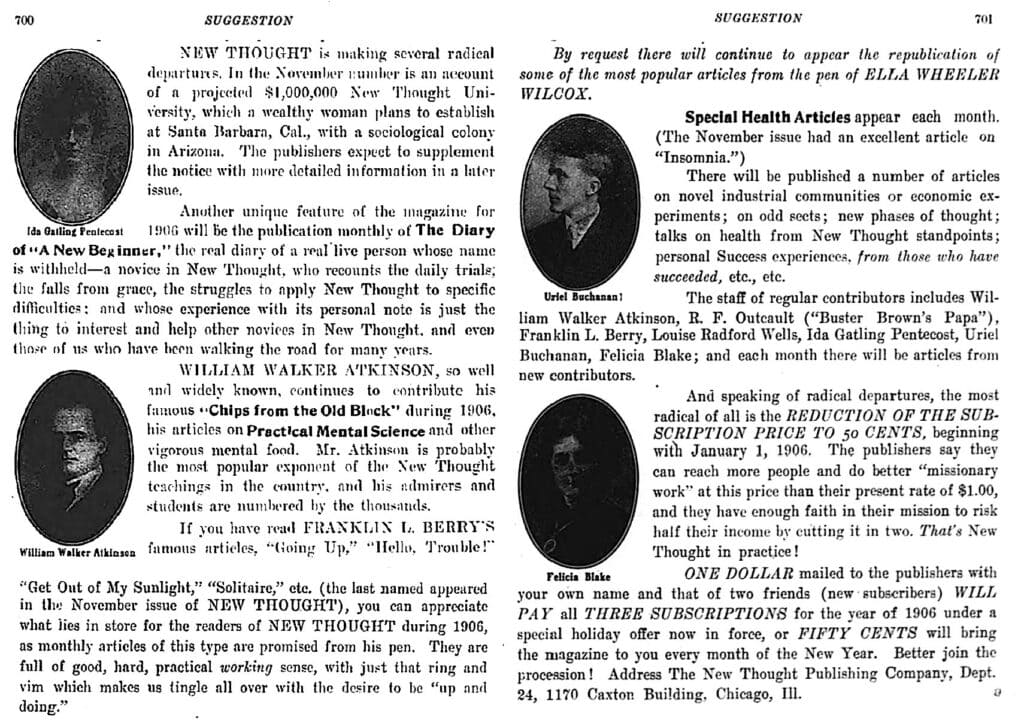
Atkinson anchors the magazine, translating Dr. Parkyn’s ideas for a New Thought audience
Atkinson would serve as the anchor of the journal and its primary voice. Many of his earlier articles from Suggestion magazine were republished exactly as they had first appeared, and he continued to translate Dr. Parkyn’s teachings into the distinctive “Atkinsonia” style of New Thought philosophy that Parkyn had helped shape for him. Much of his writing also focused on defining the New Thought movement as a comprehensive, self-empowering lifestyle built around Parkyn’s central principle, expressed in his well-known phrase, “thought takes form in action.”
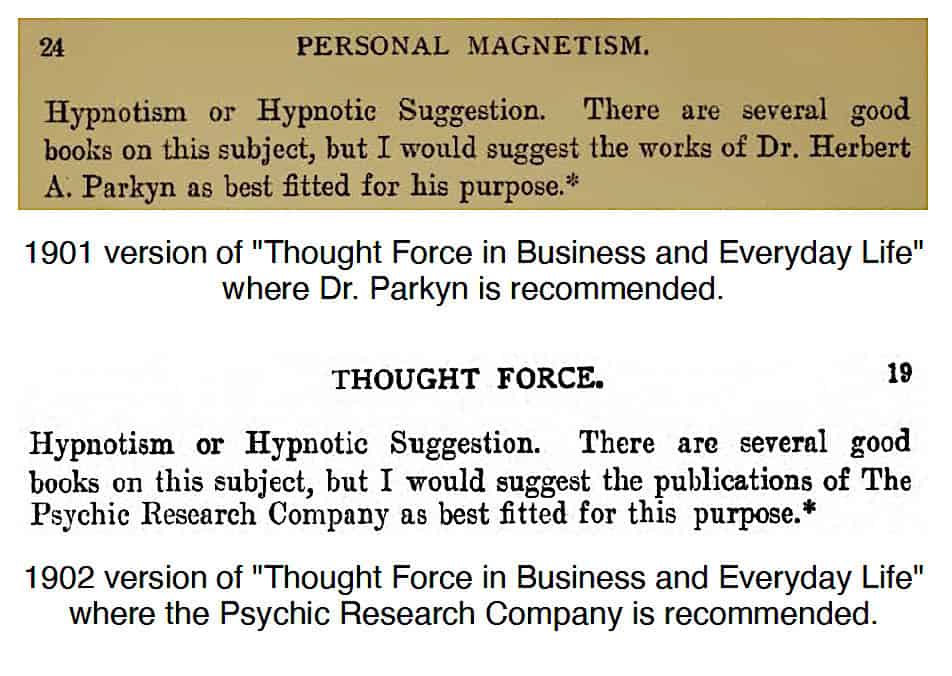
The course book Thought = Force in Business and Everyday Life became the centerpiece of the magazine’s promotions and was used as the main giveaway for new members of the Psychic Club. The only change between the 1901 version published by the University of Psychic Science and the 1902 edition was the recommendation it contained for further study into Hypnotic Suggestion. In the earlier version, Parkyn’s works were endorsed as best fitted. In the later 1902 edition, the Parkyn endorsement was replaced with a recommendation for the publications of the Psychic Research Company. The reason for this adjustment was that the magazine New Thought could not appear to be simply a promotional outlet for Parkyn. If the main free premium was a book that only contained an endorsement for Parkyn’s books, it would have invited criticism and potentially caused legal and commercial problems. Despite this change, the two courses on Hypnotic Suggestion were essentially identical, with the same core teachings included in both versions. Thought = Force was later reworked into several future publications under Atkinson’s name, including The Law of the New Thought and Nuggets of the New Thought, both released in 1902.
The Atkinson School of Mental Science
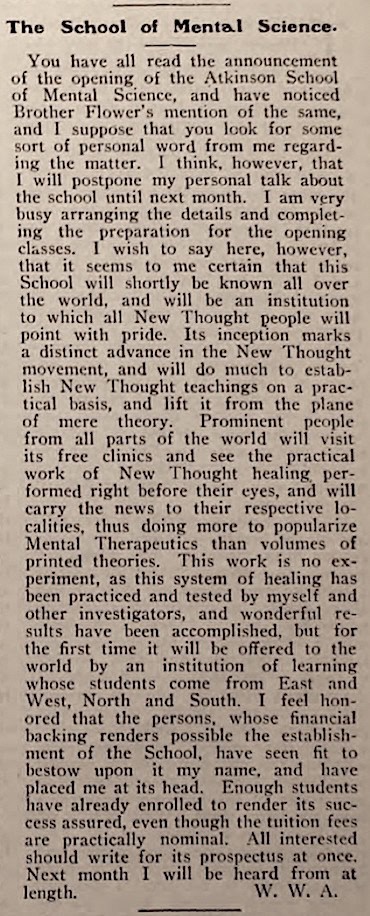
In April 1902, to capitalize on the growing wave of “Atkinsonia,” the Atkinson School of Mental Science was founded. Announcing the new venture in an editorial in New Thought, Atkinson wrote that he was deeply honored that the persons providing its financial backing had seen fit to name the institution after him. Earlier in the same editorial, however, he had thanked “Brother Flower” for announcing the opening of the school in his own editorial. Had Flower been one of the financial backers responsible for founding and naming the school, Atkinson would certainly have acknowledged him directly in that context rather than thanking him only for promoting it. The editorial therefore shows that, while Flower supported the new venture, the persons who financed and named the school were a separate group. As we have shown, this would most assuredly have been Parkyn and his family.
The school attracted a large inaugural class, but the demands placed upon Atkinson quickly became overwhelming. In addition to managing most of the editorial work for New Thought, he was writing two or three major articles for every issue, writing books, and teaching the new school. The relentless workload brought on another attack of nervous exhaustion from which Atkinson had only recently recovered, and in June 1902, just two months after opening, the school was quietly closed.
Parkyn stepped in by reorganizing the magazine. Sydney B. Flower had by this time become an invaluable partner on the business side of their publishing ventures, successfully managing the mail-order operations. To reduce the burden on Atkinson, Ella Wheeler Wilcox and Elizabeth Towne were brought into New Thought. Their addition not only introduced two of the movement’s most influential writers but also reflected the prominent role women were assuming throughout the New Thought movement. Wilcox joined Atkinson as co-editor, while Towne agreed to contribute an article to every issue. With Atkinson, Wilcox, and Towne each contributing their respective strengths, New Thought emerged as the voice of the New Thought movement.
To Be Continued…
Part II continues the story of William Walker Atkinson following his many years of collaboration with Herbert A. Parkyn. It examines his work for the Psychic Research Company, the creation of the Yogi Publication Society, his brief move to New York, his departure from New Thought, and the founding of the Advanced Thought Publishing Company.
It also explores Atkinson’s participation in the New Thought Federation, his federal mail fraud investigation, and his work with Edward E. Beals, including the transfer of his author name to Beals’ Fiduciary Press. It will also trace his work with Christian D. Larson and Beals through the Progress Company, his move to Los Angeles, his collaboration with A. Victor Segno and The Segnogram, and his editorial work for The Mystic and Advanced Thought magazines, along with many other aspects of his later career. Along the way, we will show that he and Parkyn never stopped working closely together.
Coming Soon.
Sources & Citations
- Newspaper. “Parkyn’s University of Psychic Science with Atkinson” . Chicago Tribune. 1901-03-10. p. 21.
- Newspaper. “Parkyn’s University of Psychic Science 2 week classes in Personal magnetism” . Chicago Tribune. 1901-04-14. p. 21.
- Newspaper. “Herbert A. Parkyn’s University of Psychic Science” . Chicago Tribune. 1901-03-17. p. 21.
- Newspaper. “University of Psychic Science incorporates” . Chicago Tribune. 1900-09-16. p. 7. Retrieved 2025-06-05.
- Newspaper. “Herbert A Parkyn starts the University of Psychic Science with attorneys as incorporators” . The Inter Ocean. 1900-09-16. p. 18.
- Newspaper. “Herbert A. Parkyn and Roger Sherman are the 2 ushers for wedding” . The Inter Ocean. 1898-11-06. p. 18.
- PDF / Digital Archive. Suggestion Magazine , April 1899.
- Website. “1893 Football Team — University of Michigan Athletics” . bentley.umich.edu.
- Newspaper. “Harpers Weekly responses to football scandal with Parkyn” . Harper’s Weekly Journal of Civilization. 1895-12-14. p. 55.
- Newspaper. “Parkyn and Sherman both accused by Casper W Whitney in his Haper’s piece” . The Minneapolis Journal. 1895-11-26. p. 3.
- Newspaper. “Claims of fraud against Sydney Flower and New Thought magazine by The Sun newspaper” . The Washington Post. 1904-08-14. p. 8.
- Newspaper. “Fraud charges against Sydney B. Flower by The New York Times” . The New York Times. 1904-06-05. p. 10.
- PDF / Digital Archive. Postal Authority’s mail fraud investigation into Sydney B . Flower, 1904
- PDF / Digital Archive. Sydney B . Flower and New Thought magazine’s mail fraud file, Dec 1904.
- Newspaper. “Fraud order stops the mail of New Thought magazine and Sydney B. Flower” . Transcript-Telegram. 1904-12-16. p. 7.
- Newspaper. “Sidney B Flower is shut down by uncle sam” . Manitoba Morning Free Press. 1904-12-24. p. 6.
- Newspaper. “Fraud order. Same building as Hypnotic bank” . Harrisburg Daily Independent. 1904-12-16. p. 18.
- Newspaper. “Fraud order stops the mail of new Thought. Offices in the same building as the Hypnotic bank” . Harrisburg Daily Independent. 1904-12-16. p. 18
- Newspaper. “Fraud case. Helen Wilmans says she is being attacked by wealthy New Yorker” . St. Louis Globe-Democrat. 1901-09-23. p. 5.
- PDF / Digital Archive. Post Office Authority case against Helen Williams for mail fraud , 1901
- PDF / Digital Archive. Postal Authorities mail fraud case against Helen Wilmans , 1903
- Website. “Biography of Helen Wilmans (1831-1907)” . helenwilmans.wwwhubs.com.
- PDF / Digital Archive. “International Association for the Preservation of Spiritualist and Occult Periodicals: Private Lessons and Teachings Archive” . iapsop.com. Retrieved 2025-07-15.
- Newspaper. “The Sun newspaper goes after Flower and New Thought magazine” . The Sun. 1904-02-28. p. 5.
- Newspaper. “Lloyd Kenyon Jones studied at Parkyn’s Chicago School of Psychology” . The Marshfield News and Wisconsin Hub. 1897-02-11. p. 1. .
- Newspaper. “Lloyd Kenyon Jones writes for Hypnotic magazine” . The Jersey Journal. 1897-07-10. p. 5. Retrieved 2025-06-23.
- PDF / Digital Archive. NOW: A Journal of Affirmations Vol II No 1, April 1901. Pg 7
- Newspaper. “Lloyd Jones does a tour giving Hypnotic exhibitions” . The Marshfield News and Wisconsin Hub. 1897-10-14. p. 5. Retrieved 2025-06-23.
- Newspaper. “Hypnosis display” . The Marshfield News and Wisconsin Hub. 1897-02-04. p. 5. Retrieved 2025-06-23.
- Newspaper. “Lloyd Kenyon Jones ad for his book on Psychometry, clairvoyance, etc” . Chicago Tribune. 1901-05-19. p. 27. Retrieved 2025-06-23.
- Newspaper. “Lloyd Kenyon Jones’ wife’s death. Talks about life. New Thought magazine etc” . Marshfield News-Herald. 1940-11-28. p. 4. Retrieved 2025-06-23.
- PDF / Digital Archive. Lloyd Kenyon Jones archives , pg 218
- Magazine. “William Walker Atkinson & His Legacy” . New Dawn – World’s Most Unusual Magazine. 2024-11-17. Retrieved 2025-05-16.
- Newspaper. “William Walker Atkinson retires from law practice” . Altoona Tribune. 1900-02-10. p. 8. Retrieved 2025-05-16.
- Newspaper. “William Walker Atkinson dissolves partnership” . Altoona Tribune. 1900-02-10. p. 4. Retrieved 2025-05-16.
- Newspaper. “William Walker Atkinson disappears with $500” . Altoona Tribune. 1900-05-18. p. 1. Retrieved 2025-05-16.
- Newspaper. “William Walker Atkinson dissapeared” . The Philadelphia Inquirer. 1900-05-18. p. 2. Retrieved 2025-05-16.
- Newspaper. “Atkinson wandered blankly for six weeks” . The Philadelphia Times. 1900-06-23. p. 3. Retrieved 2025-05-16.
- Newspaper. “William Walker Atkinson Found after 6 weeks” . The Post-Star. 1900-06-23. p. 5. Retrieved 2025-05-16.
- Newspaper. “Atkinson turns up” . Altoona Tribune. 1900-06-23. p. 1. Retrieved 2025-05-16.
- Website. “William Walker Atkinson | Encyclopedia.com” . www.encyclopedia.com. Retrieved 2025-05-17.
- Newspaper. “William Walker Atkinson explains the disappearance” . Altoona Tribune. 1900-07-02. p. 6. Retrieved 2025-05-17.
- PDF / Digital Archive. Suggestive Therapeutics and Hypnotism , by Herbert A. Parkyn, 1900, Suggestion Publishing Co., Chicago
- Website. Deslippe , Philip (2012-04-01). “The Swami of Baltimore: The Life and Legacy of William Walker Atkinson”. Maryland Life.
- PDF / Digital Archive. “The Functions of the Mind,” by W. W. Atkinson, Suggestion, Dec. 1900
- PDF / Digital Archive. Suggestion Magazine , v6 n2, Feb. 1901, pg. 44
- PDF / Digital Archive. William Walker Atkinson “I Can and I Will” article in Suggestions , April 1901
- PDF / Digital Archive. “Character Building by Mental Control,” by W.W. Atkinson in Suggestion March 1901
- PDF / Digital Archive. “The Real Self,” by W. W. Atkinson, Suggestion, Feb. 1901
- PDF / Digital Archive. Suggestion Magazine , issue Vol. 5 No. 5, Dec. 1900 pg. 39
- PDF / Digital Archive. Parkyn , Herbert Arthur (1898). Special mail course in suggestion. Chicago School of Psychology.
- PDF / Digital Archive. Thought-force in Business and Everyday Life : Being a Series of Lessons, by William Walker Atkinson.
- PDF / Digital Archive. “A Series of Lessons in Personal Magnetism, Psychic Influence, Thought-Force, Concentration, Will-Power, and Practical Mental Science.” by William Walker Atkinson, Chicago 1901, University of Psychic Science.
- Website. “Biography of Prentice Mulford (1834-1891) – New Thought Pioneer” . prenticemulford.wwwhubs.com. Retrieved 2025-06-24.
- Magazine. “Poetry Bay – Online Poetry Magazine” . www.poetrybay.com. Retrieved 2025-06-24.
- Website. “The Life and Work of Prentice Mulford – New Thought Authors” . www.newthoughtwisdom.com. Retrieved 2025-06-24.
- PDF / Digital Archive. “Immortality (IAPSOP)” . iapsop.com. Retrieved 2025-06-24.
- PDF / Digital Archive. Thought-Force In Business and Everyday Life , by William Walker Atkinson 1900. University of Psychic Science.
- Newspaper. “Herbert A. Parkyn and William Walker Atkinson wage a telepathic duel with Maude Lancaster” . The Inter Ocean. 1901-01-30. p. 6. Retrieved 2025-06-24.
- Newspaper. “Telepathic duel with Mrs Lancaster of London” . The Boston Globe. 1901-02-01. p. 10. Retrieved 2025-06-24.
- Newspaper. “Miss Maud Lancaster” . The Evening World. 1894-10-11. p. 3. Retrieved 2025-06-24.
- Newspaper. “Miss Maud Lancaster gives performance” . Norfolk Daily News. 1902-03-20. p. 2. Retrieved 2025-06-24.
- Newspaper. “Sydney Flower opens a School of Psychic Science” . The Des Moines Register. 1900-05-03. p. 5. Retrieved 2025-06-26.
- Newspaper. “Psychic Club of America” . Trinity Journal. 1902-02-01. p. 3. Retrieved 2025-06-24.
- PDF / Digital Archive. A Course of Instruction in the Development of Power Through Psychometry . 1901. Page 120
- Newspaper. “The Psychic Club was created to avoid postal authorities” . The Brooklyn Citizen. 1902-02-02. p. 6. Retrieved 2025-06-25.
- Newspaper. “Psychic club” . Chicago Tribune. 1901-03-16. p. 2. Retrieved 2025-06-24.
- Newspaper. “Psychic Club motto and free giveaway of medium tricks” . El Paso Times. 1902-01-14. p. 5. Retrieved 2025-06-24.
- Newspaper. “Psychic Club formed in Minneapolis” . The Minneapolis Journal. 1902-04-26. p. 7. Retrieved 2025-06-26.
- PDF / Digital Archive. New Thought magazine
- PDF / Digital Archive. Hypnotism Up to Date by Sydney Flower . Ad at end of the book. pg 123
- Newspaper. “Sydney Flower Food remedy company and mail order products” . Chicago Tribune. 1902-06-27. p. 12. Retrieved 2025-06-26.
- Newspaper. “Flower on making money with mail order products to fund research” . Chicago Tribune. 1902-06-27. p. 3. Retrieved 2025-06-26.
- PDF / Digital Archive. A “Home Course of Instruction in the Mail Order Business” by Sydney Flower .
- PDF / Digital Archive. Secrets of the Mail Order Trade by Saw Sawyer . 1900 The Sawyer Publishing Company.
- Newspaper. “Royal Ten investment scheme by Sydney Flower” . El Paso Herald. 1904-07-25. p. 4. Retrieved 2025-06-26.
- Newspaper. “North Shore Reduction Company and fraud investigation into Flower” . The Sun. 1904-05-12. p. 5. Retrieved 2025-06-26.
- Magazine. The “Chicago School of Psychology” and Hypnotic Magazine : Suggestive Therapeutics, Public Psychologies, and New Thought Pluralism, 1895–1910
- PDF / Digital Archive. Suggestion magazine , issue Vol.7 No.5, Nov. 1901.
- PDF / Digital Archive. Suggestion Magazine 1898–1906 Monthly , Chicago, IL. Publisher: Suggestion Publishing Company. Editor: Herbert A. Parkyn and William Walker Atkinson. Issue Nov. 1899 Pages 81-85