Copyright © 2026 D. Parkyn Jackson. Published by the Yogi Publication Society History Project. All rights reserved.
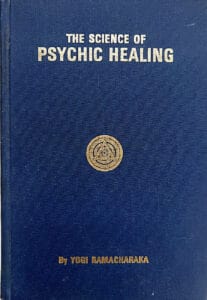
Published in 1906 as a companion volume to Hatha Yoga, The Science of Psychic Healing was intended to explain the mental side of the healing system being presented by the Yogi Publication Society. Hatha Yoga dealt with the physical laws of health, while The Science of Psychic Healing dealt with the mental laws. Together, the two books offered what was presented as a complete system of healing and personal development.
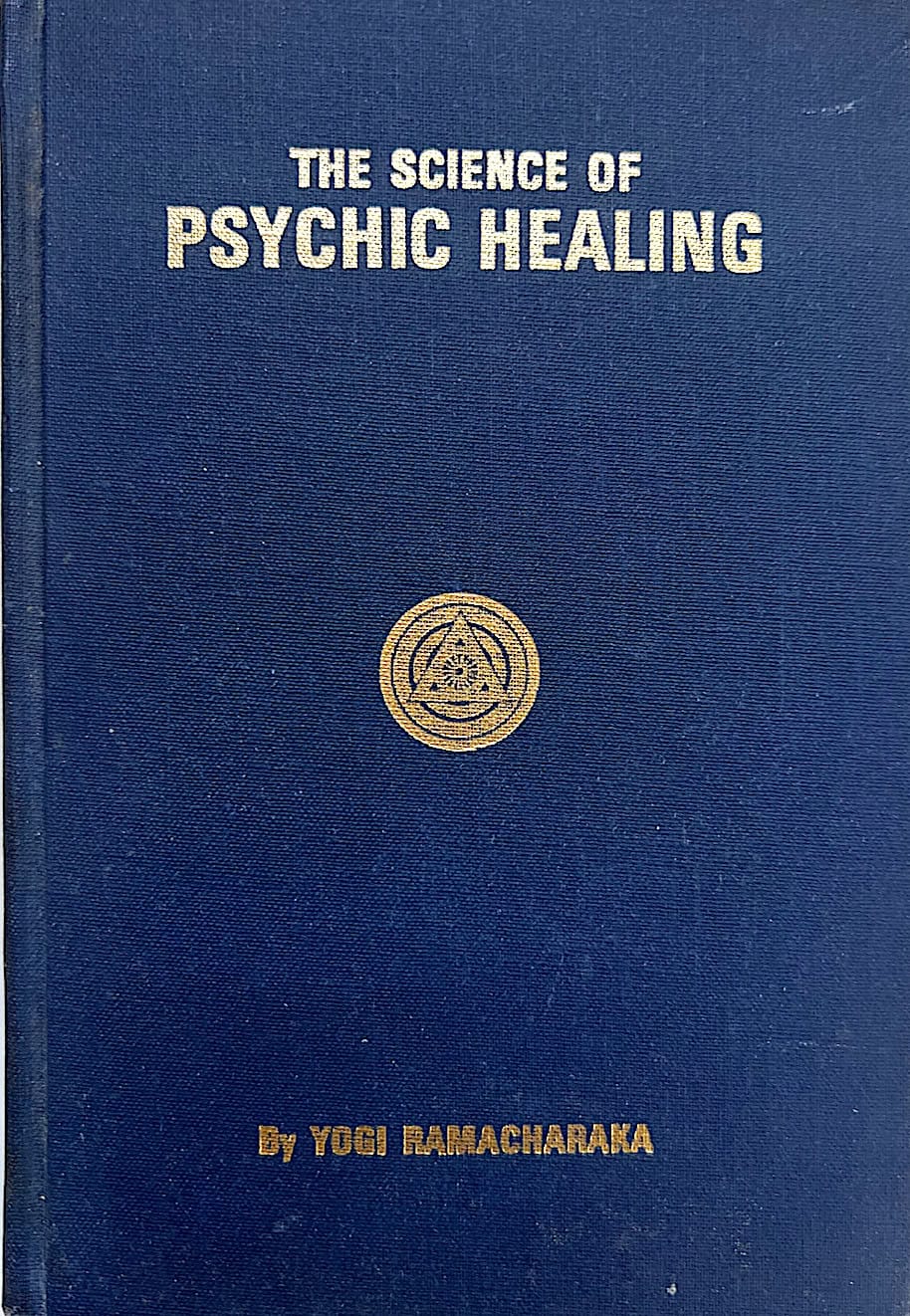
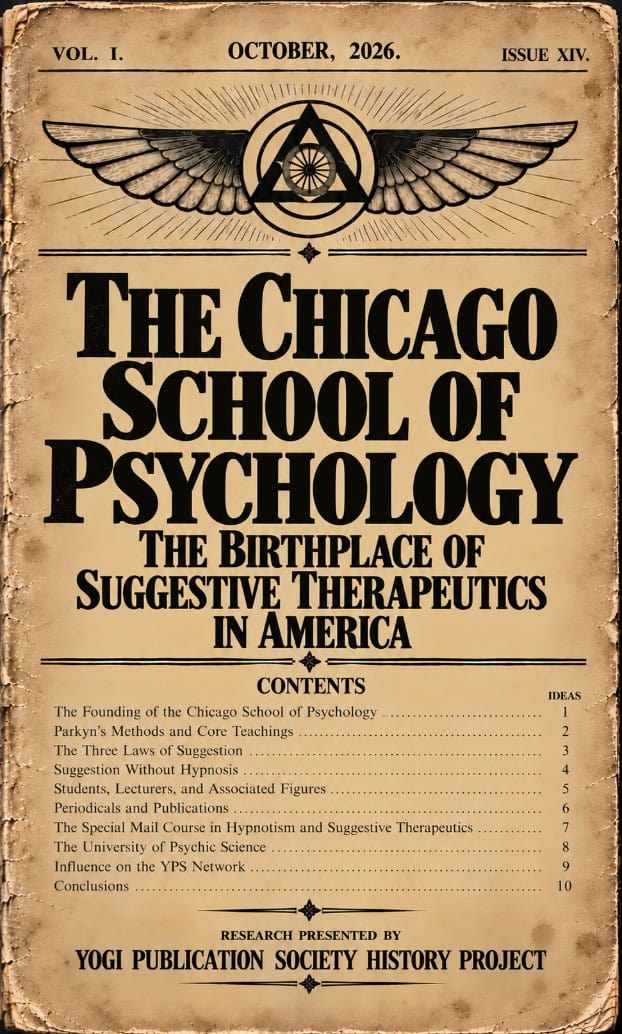
More importantly, The Science of Psychic Healing provided one of the clearest windows into the intellectual foundations of the early YPS. Its pages are filled with discussions of Suggestion, mental influence, the unconscious mind, natural law, cellular intelligence, health reform, and the relationship between thought and bodily function. These subjects were not new; they had formed the core of Herbert A. Parkyn‘s teachings for more than a decade through his books, articles, and the Chicago School of Psychology.
This article examines the ideas presented in The Science of Psychic Healing and compares them with Parkyn’s earlier teachings. The goal is not to determine who physically wrote the book, but to identify the source of the system being taught. Throughout its pages, Parkyn’s psychology and Suggestive therapeutic philosophy appear repeatedly. What emerges is not a new healing doctrine but a familiar one presented alongside the ancient teachings of the Yogis, woven together into a single framework that reveals just how closely the two were connected.
The Architect and the Writer
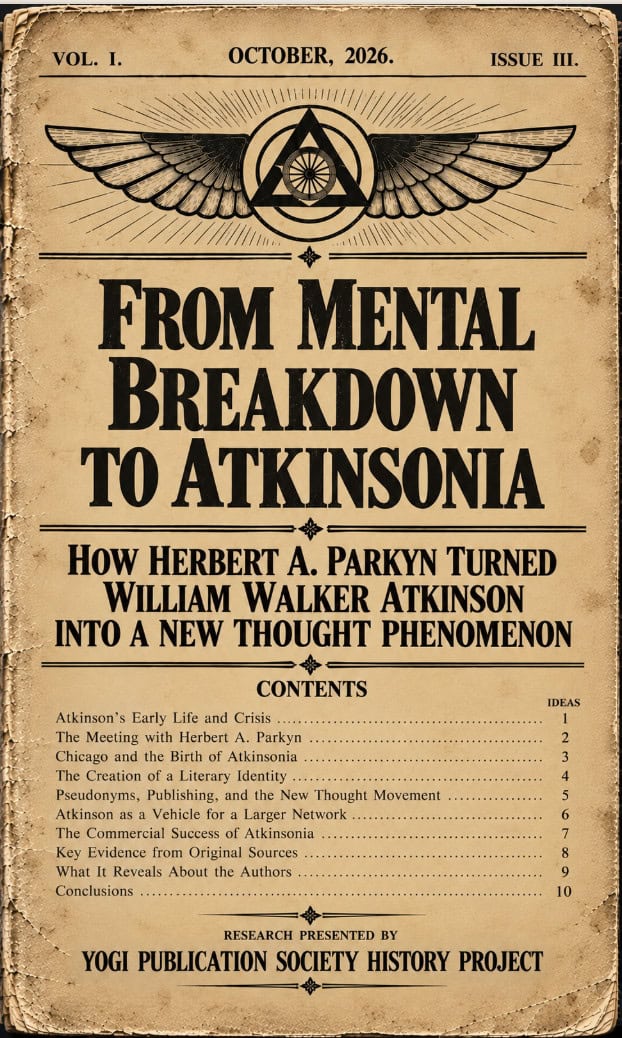
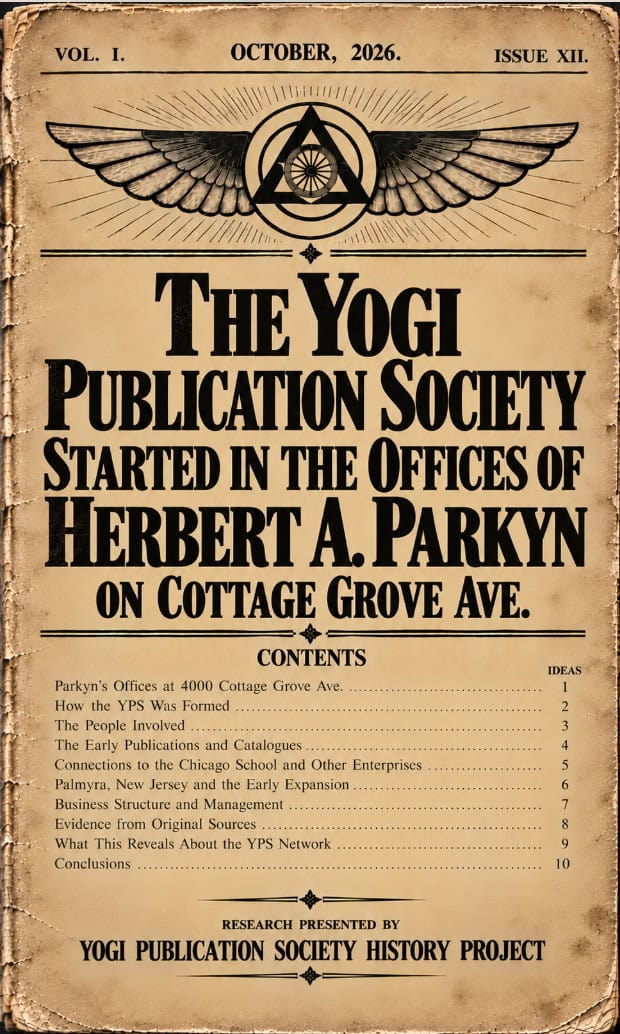
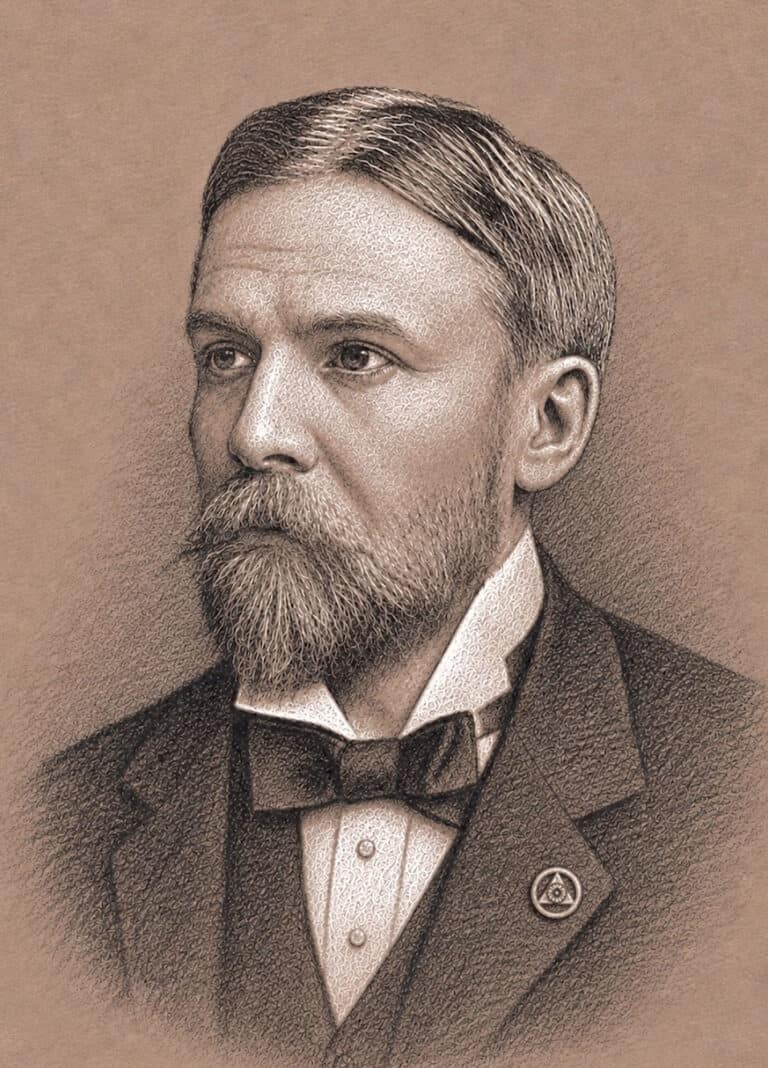
The connection between The Science of Psychic Healing and Parkyn should not be surprising. The Yogi Publication Society was founded in Parkyn’s own offices at 4000 Cottage Grove Avenue and emerged from a circle of individuals, including William Walker Atkinson, who had been his students and were now working alongside him. For that reason, the question of who physically wrote the manuscript is largely beside the point. Whether the text was prepared by Atkinson, another associate, or a combination of contributors matters far less than the source of the ideas being presented. The individual writing the book was not creating a new philosophy, but was communicating an existing one.
Parkyn, as both the architect and financier of the network, was occupied with responsibilities that extended far beyond authorship. He was directing one of the most influential educational institutions in the New Thought movement, organizing the movement nationally through the New Thought Federation, establishing the Natural Healers’ Protective League to defend practitioners against legal challenges, publishing magazines, and building major agricultural and industrial enterprises with international operations. Men engaged in work of that scale often rely upon talented writers, editors, and associates to communicate their ideas. The writer supplies the words, the teacher supplies the system.
Related Article: The Yogi Publication Society started in the offices of Herbert A. Parkyn on Cottage Grove Ave.
Why Parkyn Kept His Name Out of Many of His Projects
One of the recurring themes throughout this project is the deliberate absence of Parkyn’s name from many of the organizations, publications, and ventures he was behind. Because this fact is central to understanding both the Yogi Publication Society and the network surrounding it, it will be referenced often in the articles that follow. Before examining The Science of Psychic Healing, it is therefore worth understanding why Parkyn so often chose to work behind the scenes.
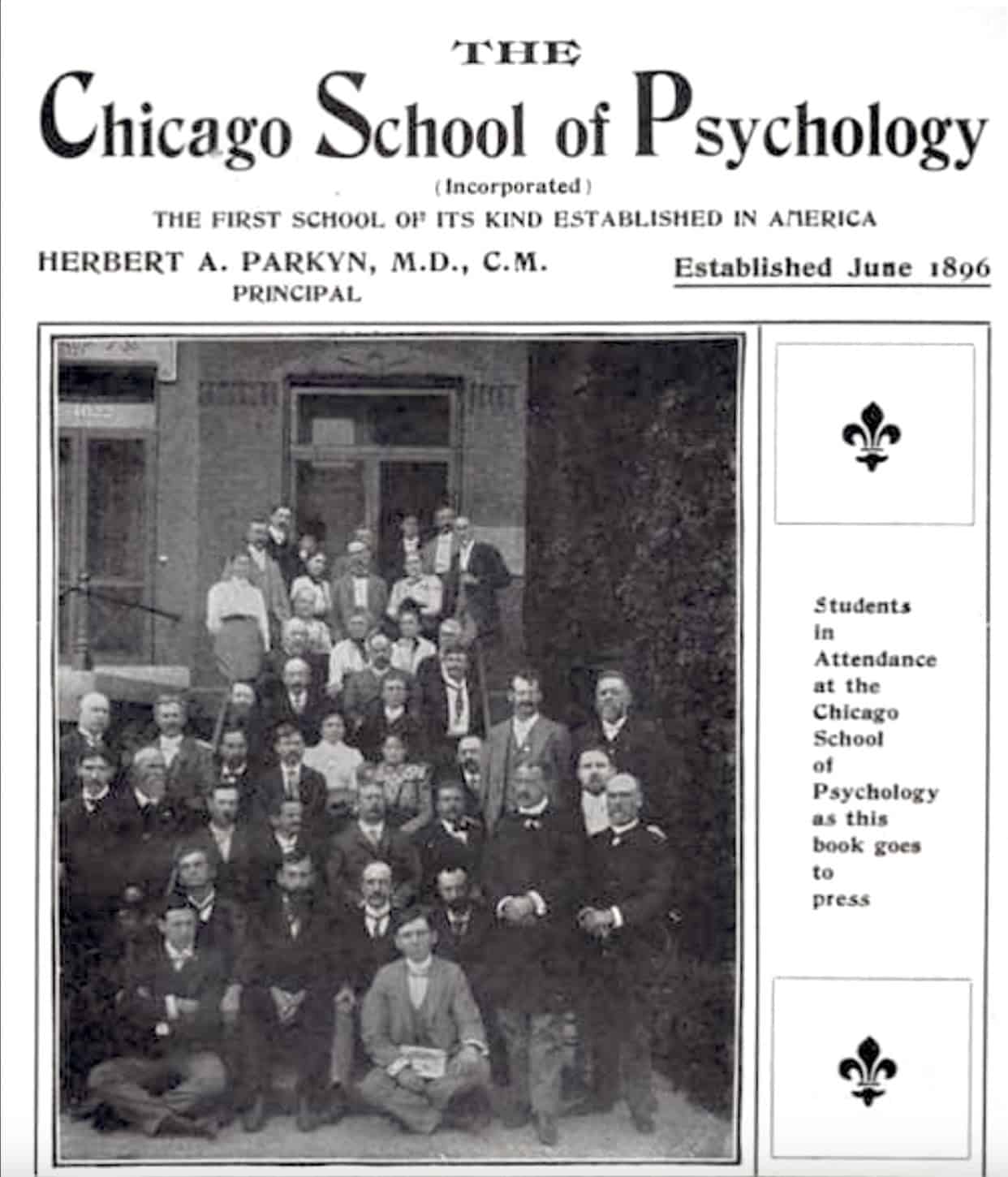
At the turn of the twentieth century, alternative systems of healing were under constant attack from organized medicine. Homeopathy, osteopathy, chiropractic, hypnotism, mental healing, Suggestive Therapeutics, and other emerging therapeutic movements faced legal challenges, hostile medical societies, and repeated efforts to restrict their practitioners. As founder of the Chicago School of Psychology, Parkyn stood at the center of this struggle. The school’s reputation was critical not only to his own career but also to the growing network of affiliated institutions and graduates who depended on the legitimacy of its degrees and professional standing. Maintaining credibility with physicians, legislators, and licensing authorities was essential if the movement was to survive and expand.
For that reason, Parkyn was careful about how his interests in Eastern philosophy, psychical research, and related subjects were presented to the public. While such topics were attracting increasing attention within New Thought circles, they were still regarded by many members of the medical establishment as occult, mystical, or unscientific. Had the founder of the nation’s leading school of Suggestive Therapeutics openly attached his name to a series of books promoting Yogic philosophy, psychic healing, and other Eastern teachings, critics would have seized upon it as evidence that his psychological system lacked scientific legitimacy. Such associations would have damaged the reputation of his Chicago School and provided opponents with ammunition in their efforts to discredit the movement.
Viewed in this context, the anonymity surrounding the early YPS books becomes obvious. The absence of Parkyn’s name protected the public standing of his educational institutions while allowing ideas he considered valuable to reach a wider audience through other channels. As the years passed and the YPS became more established in the mental sciences, references to Parkyn began appearing more openly. The early concealment was therefore not evidence of non-involvement but a practical response to the professional and political realities of the period.
Parkyn’s intention with the Yogi Publication Society
The Yogi Publication Society was not simply another publishing venture. It was part of an ongoing effort by Parkyn and his collaborators to guide a rapidly growing movement before it became overwhelmed by the same kinds of frauds, exaggerations, and commercial opportunists that had plagued hypnotism, mediumship, and other emerging fields during the previous decade. Parkyn had spent years battling charlatan hypnotists who mixed genuine psychological principles with stage performances and sensational claims. He had repeatedly watched the public interest become distorted by individuals more interested in publicity and profit than in education. He could see the same process unfolding around Yoga and Eastern philosophy.
By the early twentieth century, America was in the midst of its first full-blown Yoga craze. Self-proclaimed swamis, miracle workers, occult teachers, and professional lecturers were appearing across the country, many making extravagant claims of hidden powers, secret knowledge, and supernatural abilities. Many were little more than actors and opportunists who recognized that Eastern spirituality had become profitable and sought to capitalize on the growing fascination. The Yogi Publication Society was created not simply to publish books about Yoga, but to redirect attention toward the Law of Suggestion as the real foundation beneath the various systems of Yogic healing and mental development.
Yogi Philosophy Meets Parkyn’s Law of Suggestion
While the first two stand-alone Yogi Publication Society titles, The Science of Breath and Hatha Yoga, had focused largely on ancient Yogic health traditions and their parallels to Parkyn’s “Life Essentials,” The Science of Psychic Healing marked a significant shift. Here, the focus shifted beyond physical health into the realms of psychology and mental influence. More than any previous YPS publication, it brought Parkyn’s teachings on the Law of Suggestion into direct conversation with Yogi philosophy and argued that both described the same underlying reality.
Throughout the book, concepts Parkyn had taught for years are presented alongside Yogi terminology and Eastern philosophical ideas, with the consistent message that the laws governing mind, health, and human development are universal. The ancient Yogis had discovered them centuries earlier, while modern psychology was beginning to rediscover them through its own investigations.
Thought Takes Form in Action
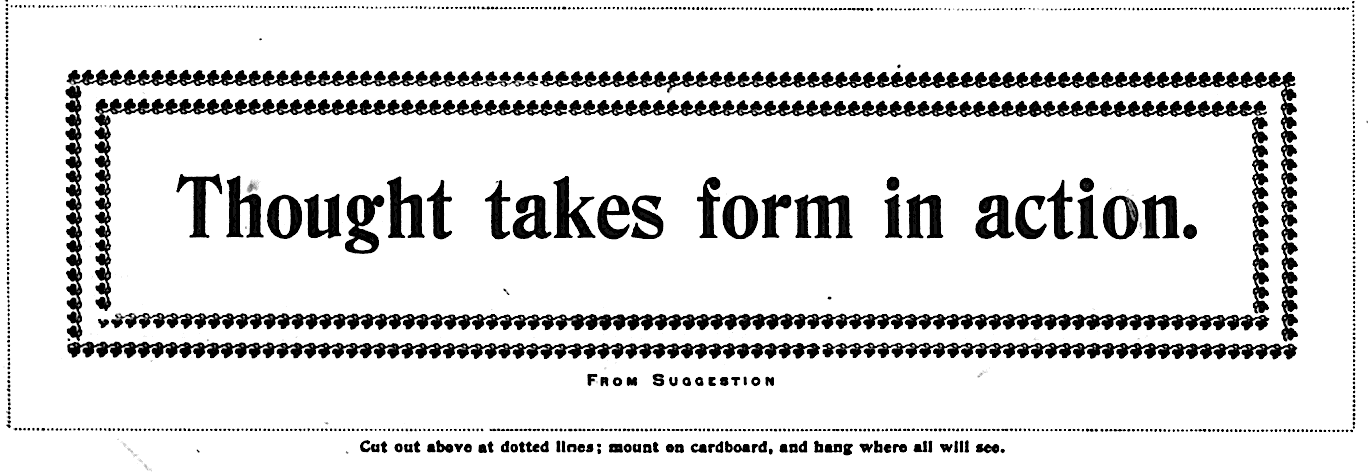
One of the most obvious connections between The Science of Psychic Healing and Parkyn appears in one of the best-known phrases associated with him and the Chicago School of Psychology: “Thought Takes Form in Action.” Throughout Parkyn’s publications and teachings, the phrase served as a concise statement of the Law of Suggestion. Thoughts accepted by the mind eventually express themselves through behavior, bodily function, and outward action. It was one of the central axioms of his psychological system.
Its multiple appearances in The Science of Psychic Healing are therefore difficult to overlook. In the chapter on Suggestive Healing, the author explicitly identifies “Thought Takes Form in Action” as an axiom of Suggestive Therapeutics. The phrase is then repeated only a few paragraphs later while explaining how Suggestions influence the Instinctive Mind and direct the activity of the body’s organs and cells. Rather than a passing reference, it is presented as a foundational principle governing the entire healing process.

Masked Suggestions
An equally revealing passage is where Ramacharaka discusses what he calls “masked suggestions.” This was a specific Parkyn term he had coined and written extensively about. Parkyn used the expression to describe suggestions delivered indirectly through some outward agency, such as a medicine, treatment, or therapeutic procedure. The patient believes the material remedy is producing the result, while the real influence comes from the mental impression associated with it. Confidence is established, expectation is created, and the suggestion is accepted by the mind. As Parkyn repeatedly taught, the form may vary, but the principle remains the same.
The explanation in The Science of Psychic Healing follows this teaching exactly. The author describes physicians administering remedies while positively assuring patients of the expected results. The suggestion is repeated until the patient’s mind confidently anticipates the outcome and, in the language of the book, “Thought takes form in action.” The conclusion is unmistakably Parkynian: “No matter how the Suggestion is given, it is still Suggestion.”
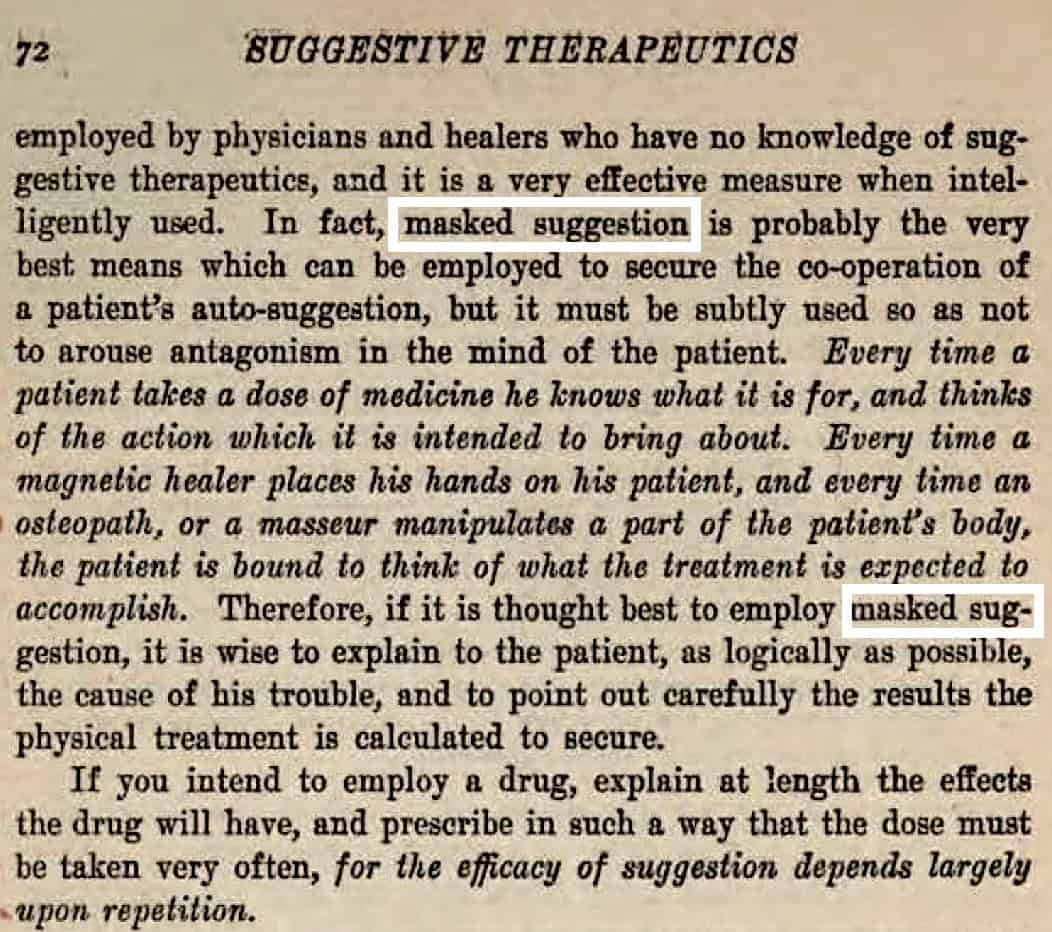
The irony is difficult to ignore. In discussing Masked Suggestion, the book illustrates its own method. Rather than presenting these teachings directly under a real author’s name, they are delivered through the figure of Yogi Ramacharaka. The personality becomes the mask through which the doctrine is conveyed. Just as Rosicrucian and Hermetic writers often communicated ideas through allegorical characters, the Yogi Ramacharaka persona serves as the vehicle through which the Laws of Suggestion are transmitted.

The Student Writer
The repeated use of Parkyn’s own language points to something more than influence. A student may partially repeat a teacher’s ideas, but it is an entirely different matter to present that teacher’s distinctive phrases and technical concepts as integral parts of a major book on the subject without attribution. Several students of Parkyn’s had, by 1906, written books on the subject and frequently quoted him with attribution. The fact that so many of Parkyn’s teachings appear throughout the early YPS books without attribution suggests that the author was not acting independently but was working in concert with the person responsible for developing and promoting the system.
William Walker Atkinson fits the role of the student writer perfectly. By the time The Science of Psychic Healing appeared, Atkinson had spent years as a student and protégé of Parkyn. He worked with him on Suggestion magazine, he was first published through Parkyn’s University of Psychic Science, and had already demonstrated a remarkable ability to translate Parkyn’s teachings into a popular and accessible style. What had become popularly known as “Atkinsonia” was created and promoted by Parkyn, and he repeatedly used Atkinson as a writer because he had proven himself exceptionally skilled at distilling complex systems of thought and presenting them to a mass audience.
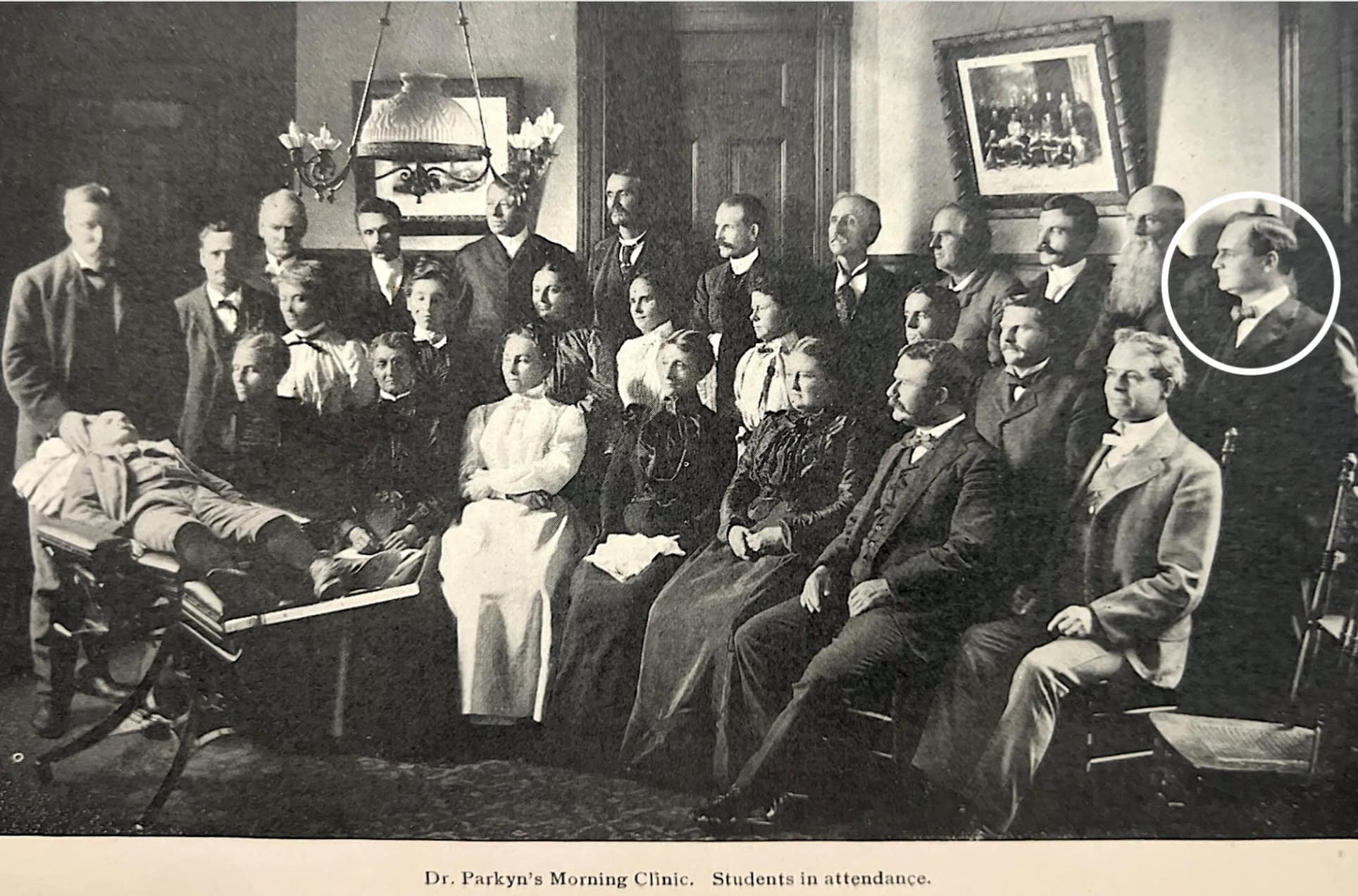
Atkinson was also uniquely suited to the role. Years earlier he had come to Parkyn seeking treatment for severe nervous prostration, and periods of intense business pressure would continue to affect him throughout his life. He was not a natural organizer of institutions, movements, or commercial enterprises. His strength lay elsewhere. By temperament, he was a recluse, happiest when left alone with books, manuscripts, and correspondence courses. Working from offices removed from the bustle of daily operations, he could spend days doing the painstaking work of gathering, organizing, and synthesizing large amounts of material. Parkyn had access to a vast collection of correspondence courses, educational systems, and specialized literature through his company, Mail Course Exchange, which was conveniently located in the same offices as YPS. Parkyn also had special direct access to the extensive body of older material produced by L. N. Fowler & Wells, whose catalogs contained many of the subjects later published by the YPS. This represented an enormous reservoir of source material from which books could be compiled on many different self-culture topics, such as concentration, memory, personal magnetism, fascination, etc., and then presented with Suggestion at their core.
For more information read the article “The Continuing Collaboration of Herbert A. Parkyn, Sydney Flower, and William Walker Atkinson”
Twelve Significant Ways The Science of Psychic Healing Reflects Parkyn’s System
Having established the relationship among Parkyn, Atkinson, and the Yogi Publication Society, and having shown that Parkyn’s direct phrases appear in the book without attribution, we now examine the book’s psychological framework to reveal the exact principles Parkyn had long taught and were first laid out in writing in his 1898 Mail Course in Suggestive Therapeutics and Hypnotism, which was the first correspondence course ever created on Suggestion.
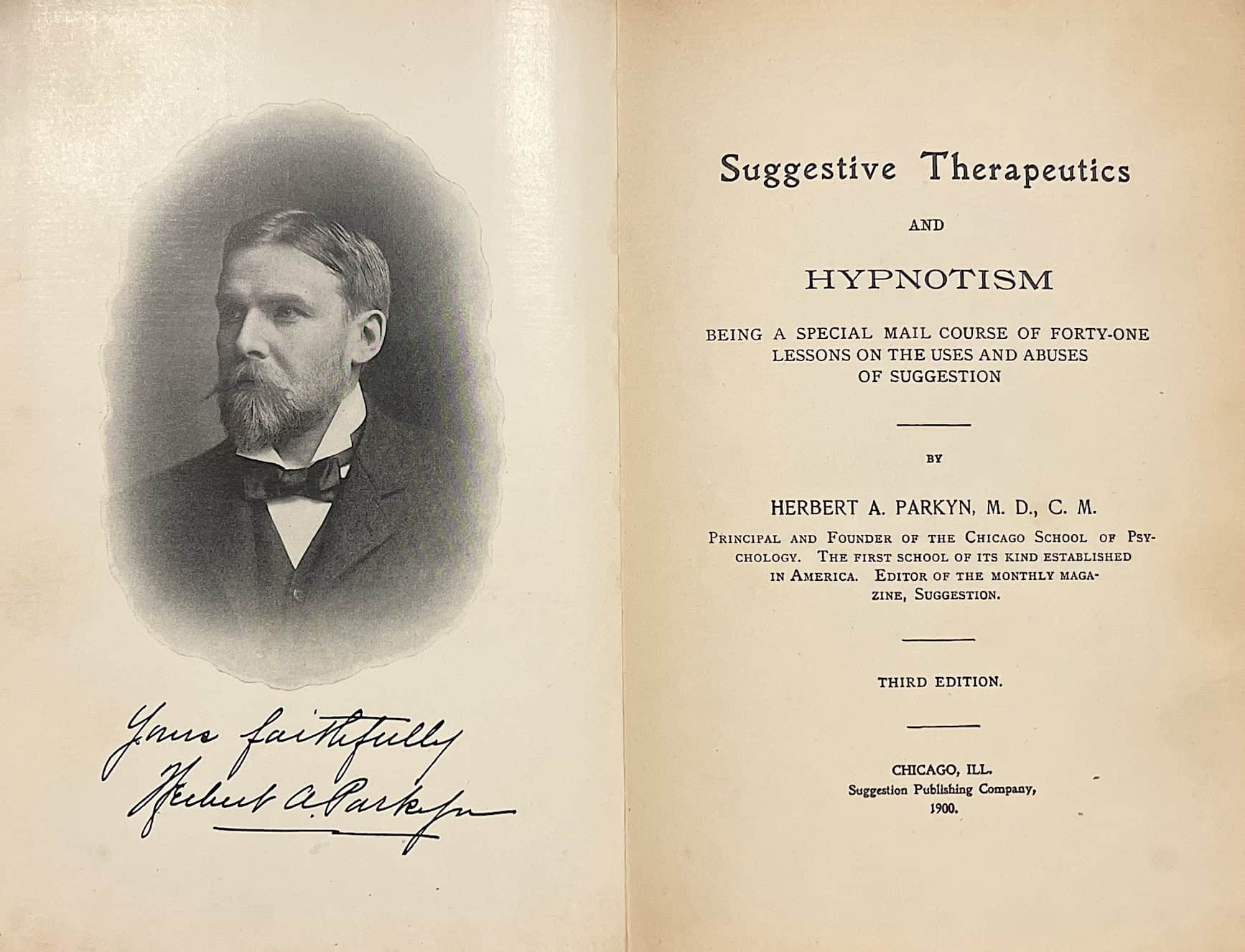
The following twelve examples demonstrate how thoroughly Parkyn’s teachings are woven throughout the text.
1. Works as a Course in Auto-Suggestion
Although The Science of Psychic Healing looks at Pranic Healing, Thought-Force Healing, Suggestive Healing, Mental Healing, Metaphysical Healing, Distant Healing, and Spiritual Healing, its practical center is Auto-Suggestion. The publishers’ notice states:
“The methods described in this book may be used in self-healing, even when it is not so stated in the text. In fact, self-healing is probably the favorite idea of the author, who believes in people doing things for themselves, and being independent, so far as is possible.“
This becomes even more relevant when considering that Parkyn had just published his book Auto-Suggestion in late 1905, as a compilation of the many articles he had written on the subject. The Science of Psychic Healing followed in 1906 and gave an extended practical treatment of the same subject, calling the process a well-established psychological law.

The Science of Psychic Healing follows Parkyn’s teaching that the body’s condition is largely determined by the suggestions people continually give themselves. Thoughts of health, strength, and fearlessness produce corresponding physical conditions, while depressing thoughts are carried into the body and expressed there.
2. Never Suggest the Condition You Want Removed
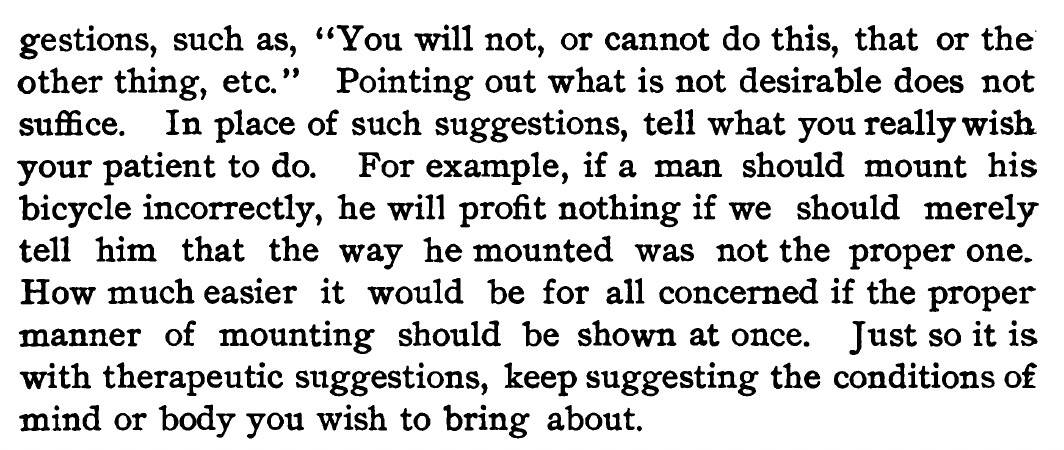
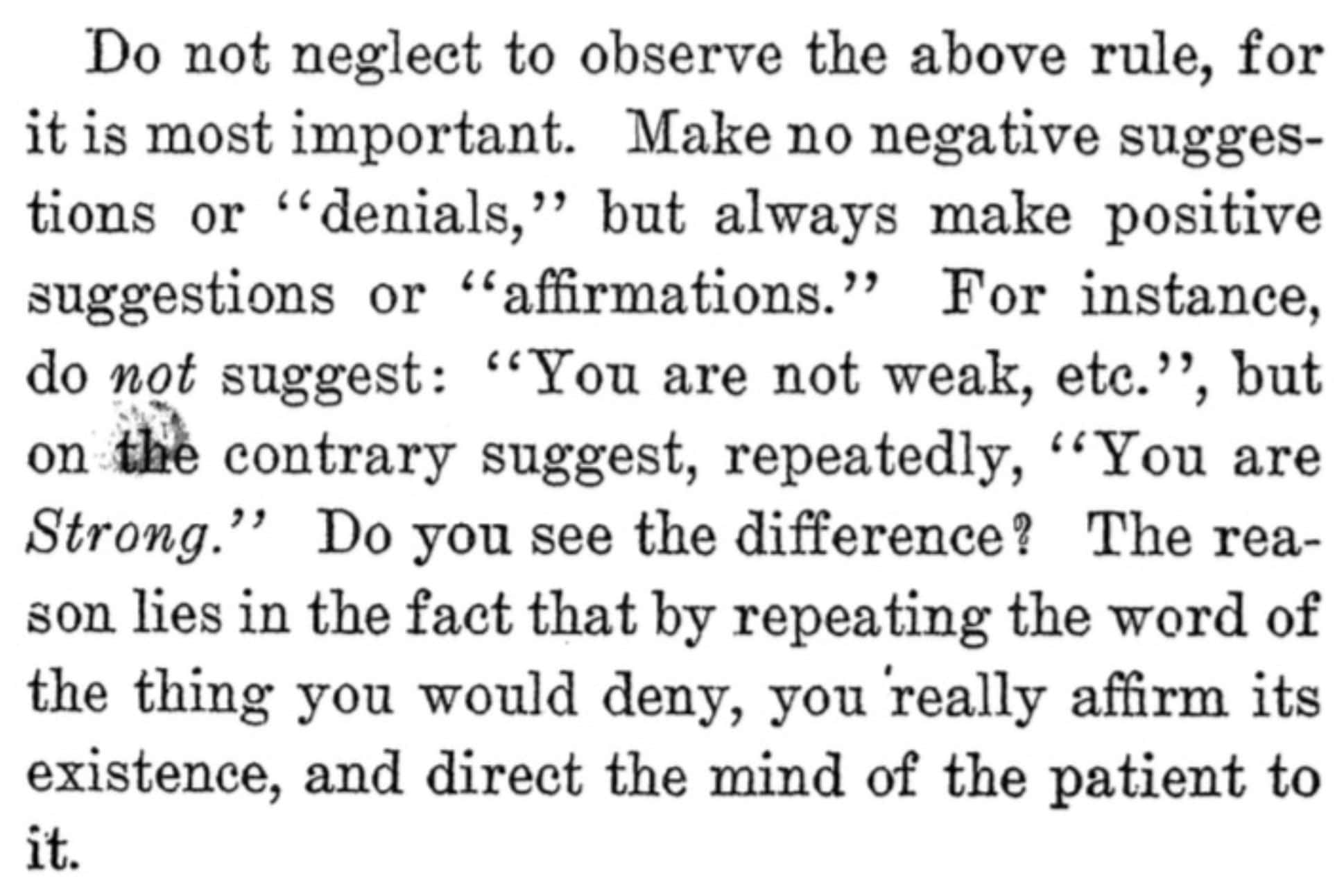
The healer is told never to frame a suggestion negatively. Saying, “You are not weak,” keeps the word weak before the patient’s mind and therefore reinforces the very condition being denied. The correct suggestion is the direct affirmation, “You are strong.” This was fundamental to Parkyn’s teaching. The involuntary mind does not reason through a denial in the same way as the voluntary mind. It receives the dominant image or idea placed before it. A negative statement may therefore reproduce the unwanted condition by directing attention toward it. Suggestions must describe the desired condition positively, clearly, and in the present tense.
Mail Course:
Psychic Healing:
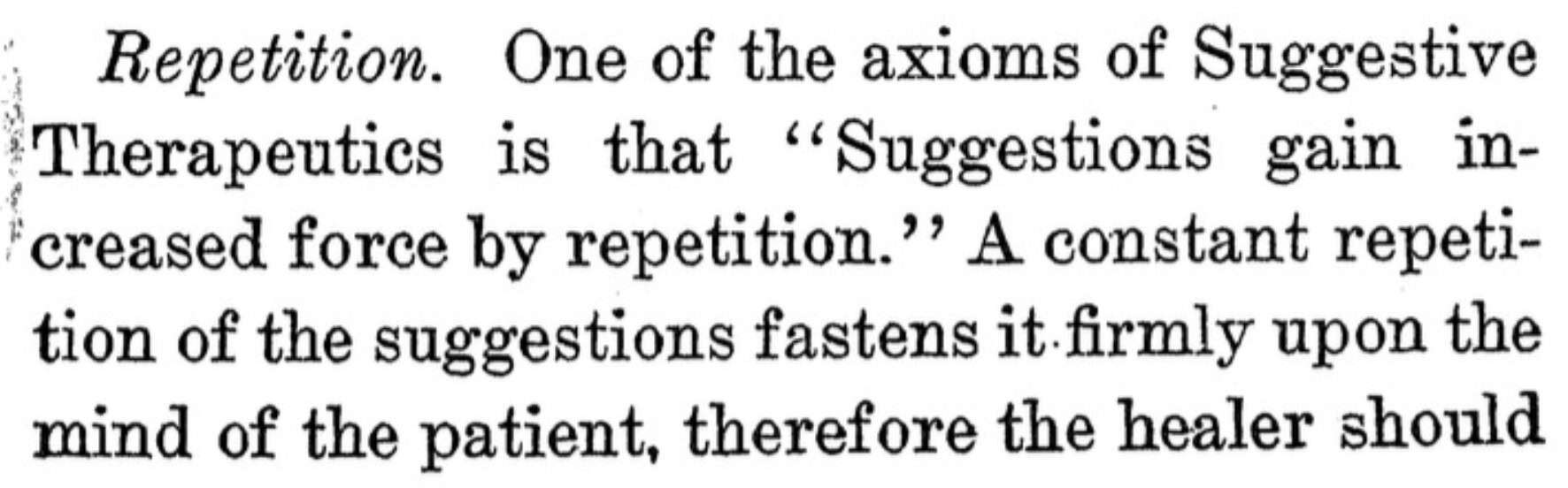
3. Suggestion Gains Force Through Repetition
The book explicitly identifies another axiom of Suggestive Therapeutics: suggestions increase in force through repetition. The principal word or idea is to be repeated in several forms so that it becomes firmly impressed upon the patient’s mind. The comparison is made to attacking a fort from different sides. The wording may change, but the central suggestion must remain present in every version. This follows Parkyn’s teaching precisely. Repetition was not pointless recitation. It was the means by which an idea passed beyond momentary conscious attention and became established within the involuntary mind. Once accepted there, it began to direct conduct and bodily activity.
Mail Course:

Psychic Healing:
4. Attention, Receptivity, and Mental Relaxation
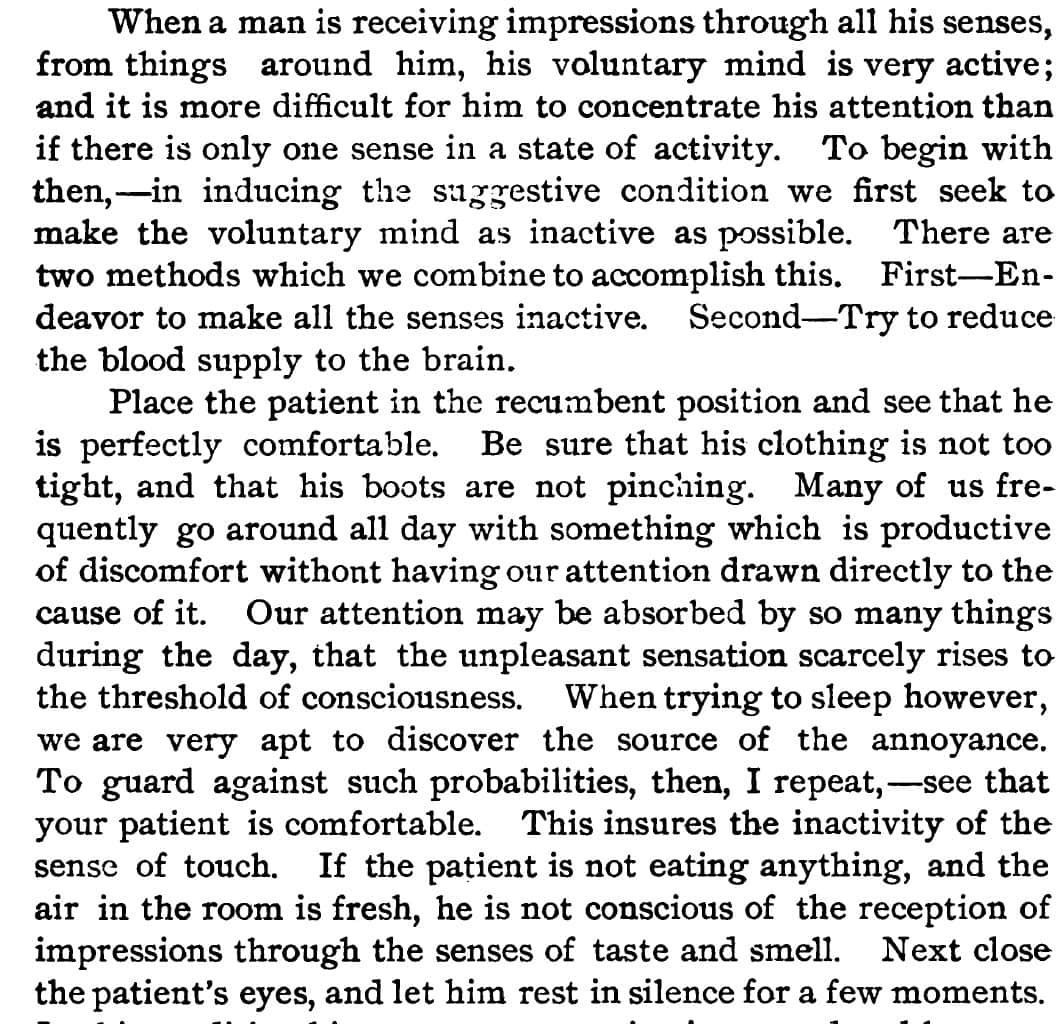
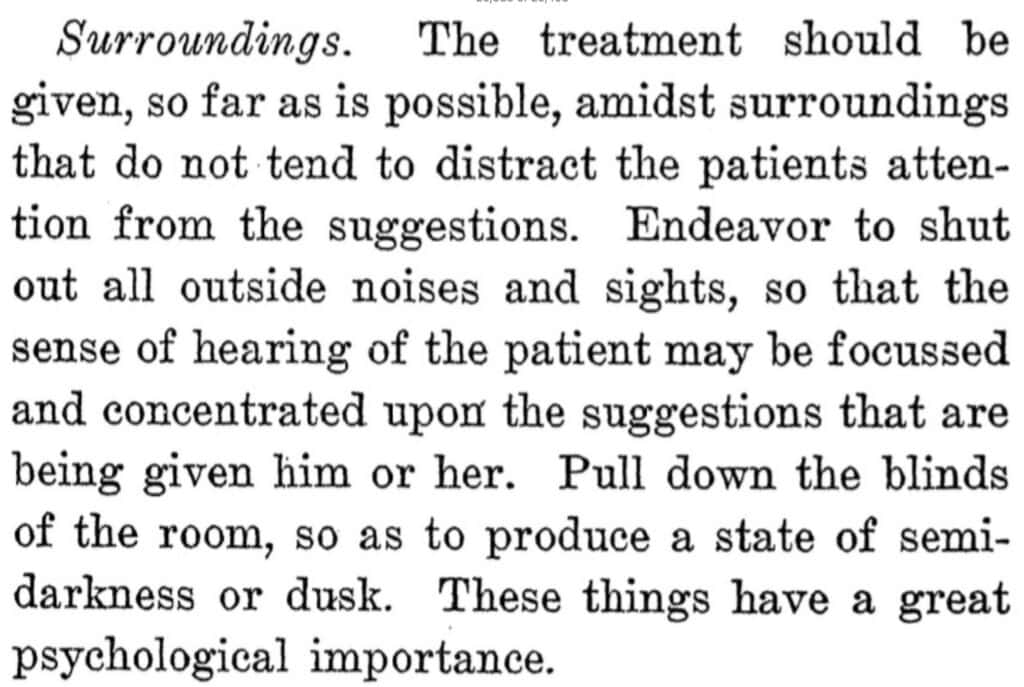
Parkyn taught that a suggestion becomes effective when it secures attention and reaches the mind in a receptive condition. The book follows the same method in detail. Before treatment, the patient is to be placed in a calm, relaxed state, free from business worries, arguments, distractions, and physical tension. The healer must then obtain the patient’s complete attention, since the effect of the treatment depends heavily upon the degree of attention secured. The practical instructions continue with physical relaxation. The patient is placed in a comfortable position and taught to release muscular tension until the entire body becomes easy and limp. This is the clinical setting Parkyn used for suggestion without hypnosis. The conscious mind remains awake, but its resistance and distractions are reduced so that a single idea can occupy its attention and be passed to the involuntary mind.
Mail Course:

Psychic Healing:
5. Suggestive Therapeutics Without Hypnotism
The book firmly separates Suggestive Therapeutics from hypnotism. It states that hypnosis plays no necessary part in the treatment and that suggestions can be equally effective while the patient remains awake and conscious. Readers are directly urged to divorce the two subjects in their minds. This distinction was essential to Parkyn’s mature system. Although his early clinical work included hypnotic experimentation, the Chicago School of Psychology developed Suggestive Therapeutics into a method that did not depend upon placing the patient in a hypnotic state. The effective element was Suggestion itself, properly delivered under conditions of attention, confidence, expectation, and receptivity. This was a defining advancement in the field by Parkyn.
6. Confidence Replaces Fear
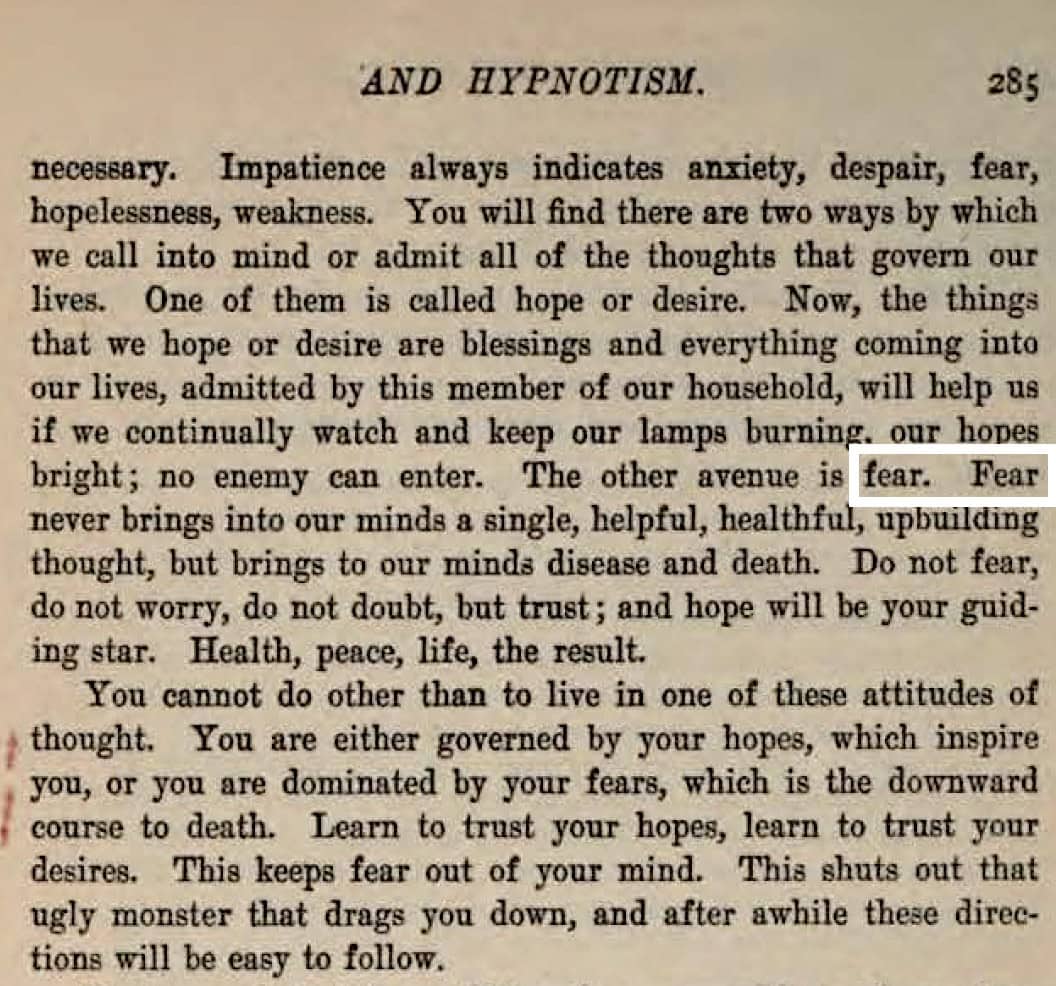
The book repeatedly identifies fear as one of the greatest causes of disease. Suggestive healing works by creating a new mental atmosphere in which fear is replaced by confidence, courage, hope, and fearlessness. Once the mental condition changes, the physical results follow. Confidence is equally important in the relationship between healer and patient. The healer’s manner, gaze, voice, and mental attitude are all intended to instill confidence, as a doubtful patient tends to resist the treatment. This is Parkyn’s psychology of expectation. Fear acts as a destructive suggestion, while confidence prepares the mind to expect improvement. The body then follows the accepted expectation.
Mail Course:
Psychic Healing:
7. Cellular Intelligence and Organ Minds
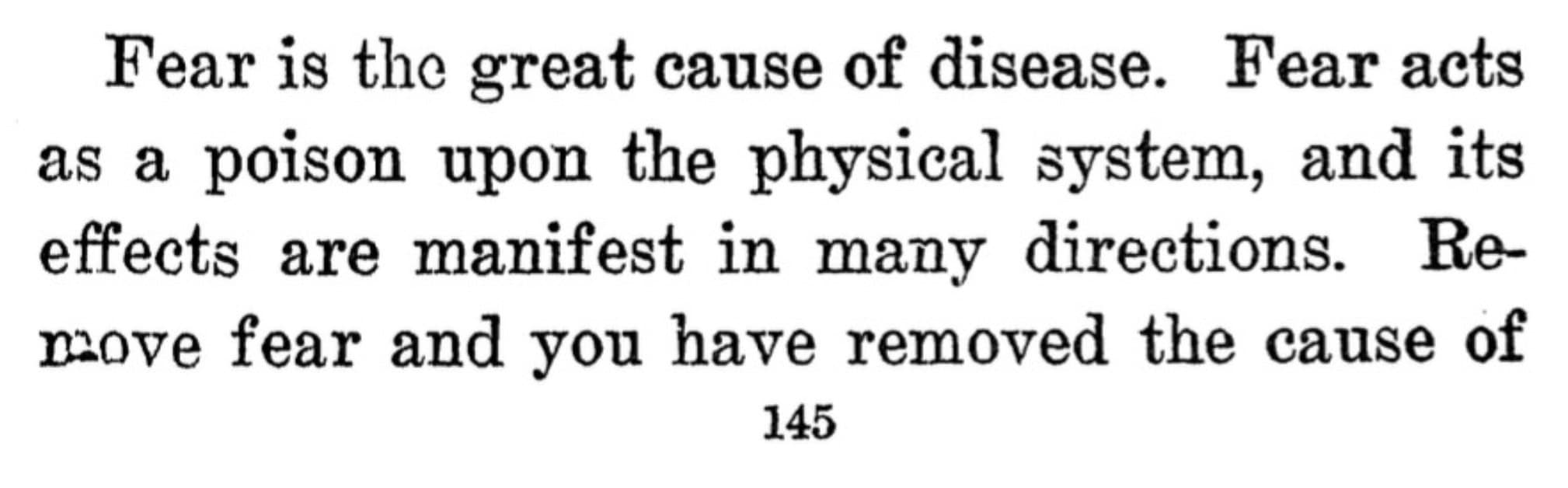
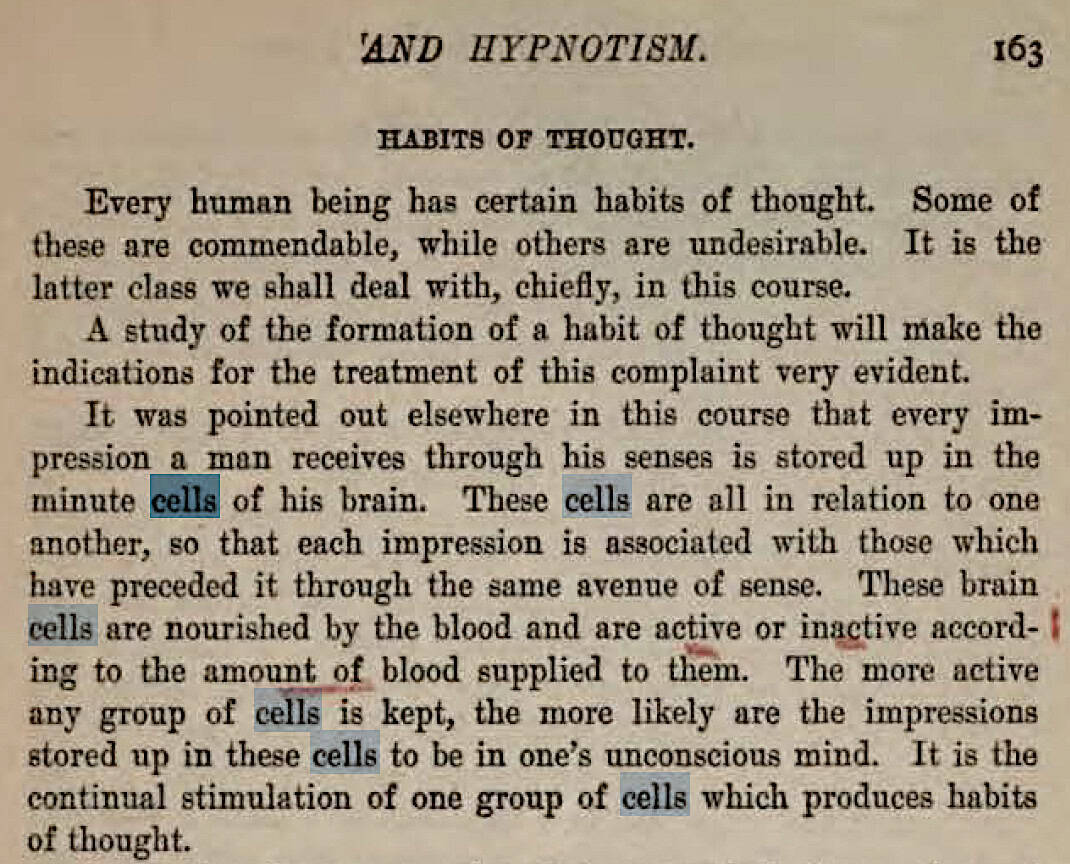
The book goes beyond a general unconscious mind and describes each cell as possessing a limited intelligence of its own. Cells form communities, organs possess group minds, and all remain subordinate to the higher direction of the Instinctive Mind. Their selection of nourishment, rejection of waste, repair of injuries, and coordinated movement are offered as evidence of this cellular intelligence. Disease is consequently described as disorder within these cell communities. Cells may become weakened, rebellious, or negligent, while healing restores their cooperation and normal activity. The practical treatments sometimes address the “stomach-mind” or the mind of a particular organ as though speaking to a subordinate worker who must be awakened and returned to duty.
This follows Parkyn’s descriptions of the body as an organized community of intelligent cells directed by the involuntary mind.
Mail Course:
Psychic Healing:
8. Mental Pictures Become Physical Conditions
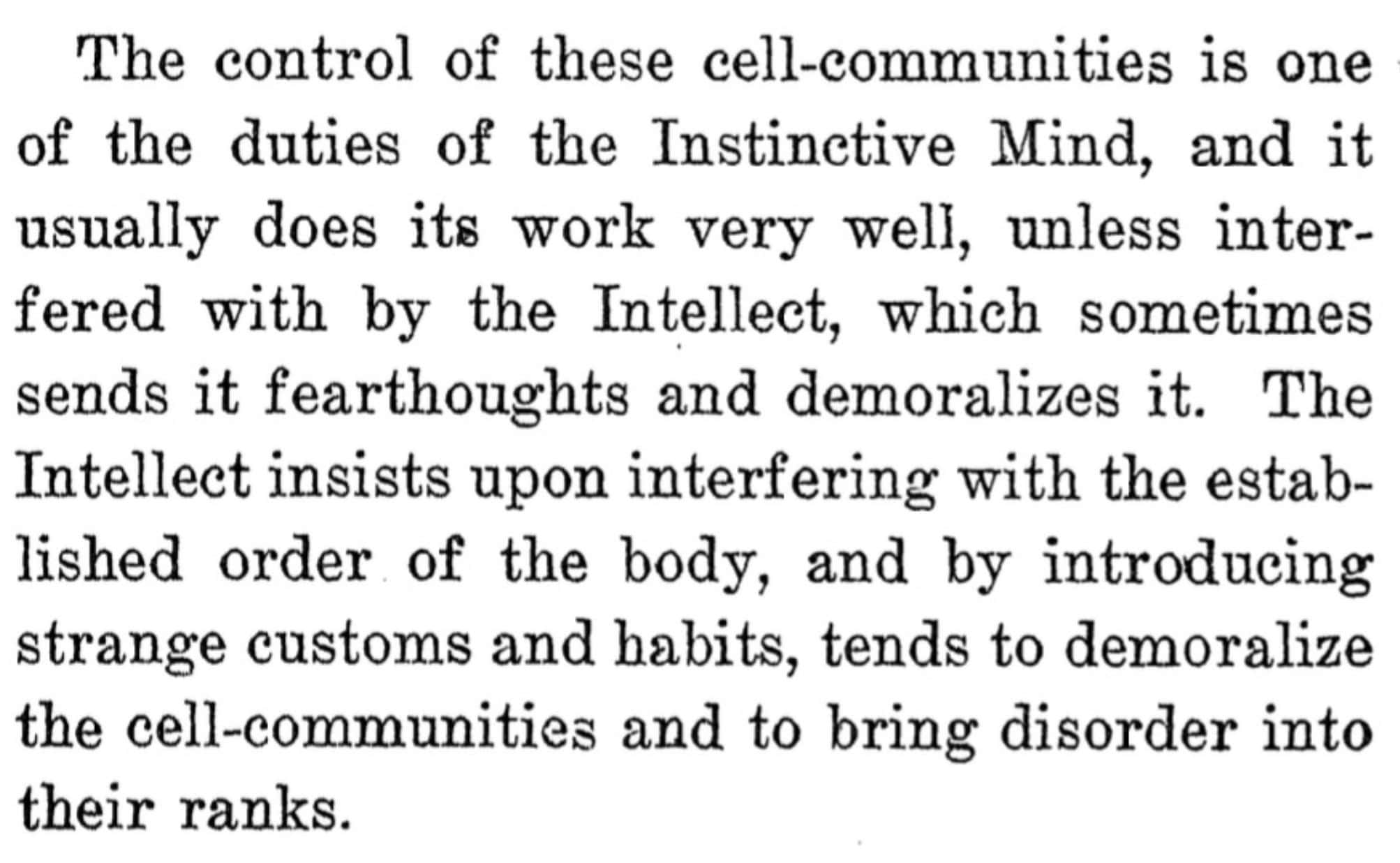
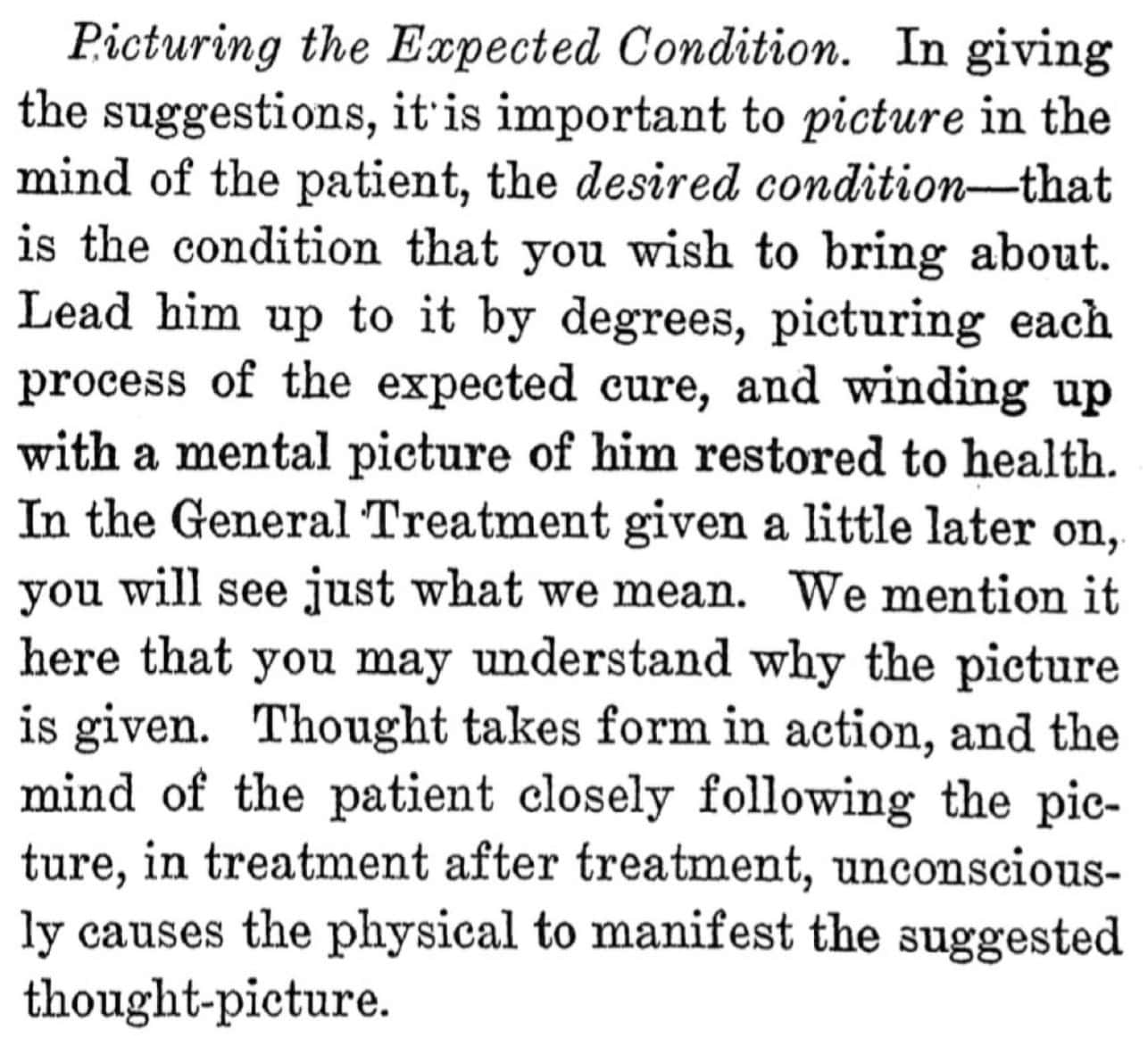
Suggestion is not limited to words. The healer must form a clear mental picture of the desired condition and lead the patient to imagine each stage of recovery. The patient repeatedly follows this picture until the physical body begins to manifest it. The book again explains the process through the maxim “Thought Takes Form in Action.” The same principle is applied in Self-Suggestion. Readers are told to see themselves in the “mind’s eye” as healthy, think of themselves as already possessing that condition, and then live accordingly. The Instinctive Mind is addressed as a trained assistant and ordered to build healthy tissue while discarding worn-out material.
Mail Course:

Psychic Healing:
9. Diagnosis of Disorders
The book lists specific disorders such as dyspepsia, indigestion, constipation, menstrual disorders, malnutrition, headaches, nervous conditions, and other ailments, which are not merely mentioned in passing. They are accompanied by practical medical explanations, detailed diagnostic observations, and treatment recommendations exactly like those found in Parkyn’s Mail Course in Suggestive Therapeutics.
10. Parkyn’s Life Essentials
The physical instructions in the book reproduce the health program already published in The Science of Breath and Hatha Yoga. Proper nutrition and assimilation come first. The stomach must be restored to normal functioning because poor assimilation weakens the blood and consequently every cell in the body.
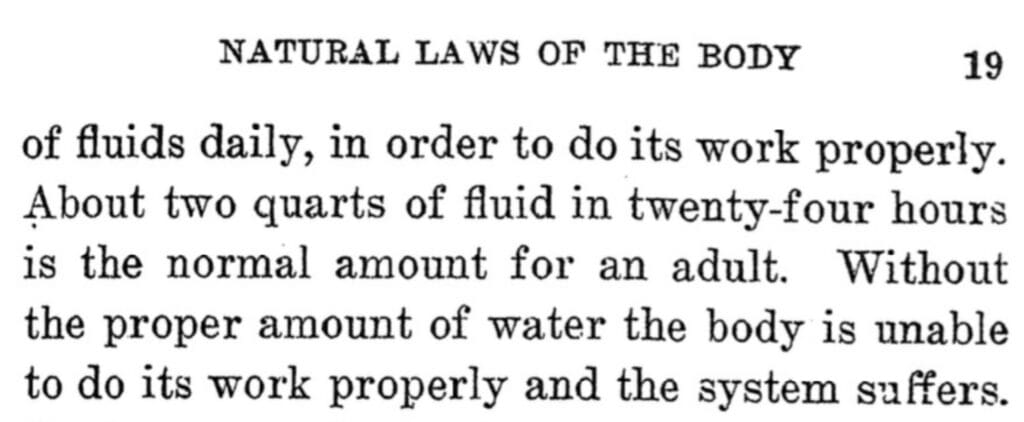
The book then stresses thorough mastication, sufficient water, correct breathing, exercise, bathing, and sleep. It recommends approximately two quarts of fluid daily, links water to secretion and elimination, and teaches deep breathing as necessary for proper oxygenation of the blood. Exercise, bathing, rest, and a return to natural living complete the program. These are Parkyn’s “Life Essentials” repeated exactly, even down to his often-repeated two quarts of fluid daily. Parkyn stated, “Psychic treatment may hasten recovery, but lasting health still depends upon obedience to these laws.”
Mail Course:

Psychic Healing:
11. The Healer as Teacher
The book states that the healer must be more than someone who treats disease. He should be an instructor and educator who teaches patients the laws of Right Living and Right Thinking. His responsibility is to help them understand why they became ill and how to maintain health after treatment ends. This reflects the entire mission of the Chicago School of Psychology.
12. Distant Healing is just Suggestion
The Science of Psychic Healing discusses telepathy, absent treatment, and healing at a distance, but ultimately places the curative force on suggestion and auto-suggestion, since patients are ultimately just instructed to relax, focus on the treatment, expect results, and cooperate mentally with the healing process. Whatever role telepathy may play, the book repeatedly points back to suggestion as the practical cause of the cure.
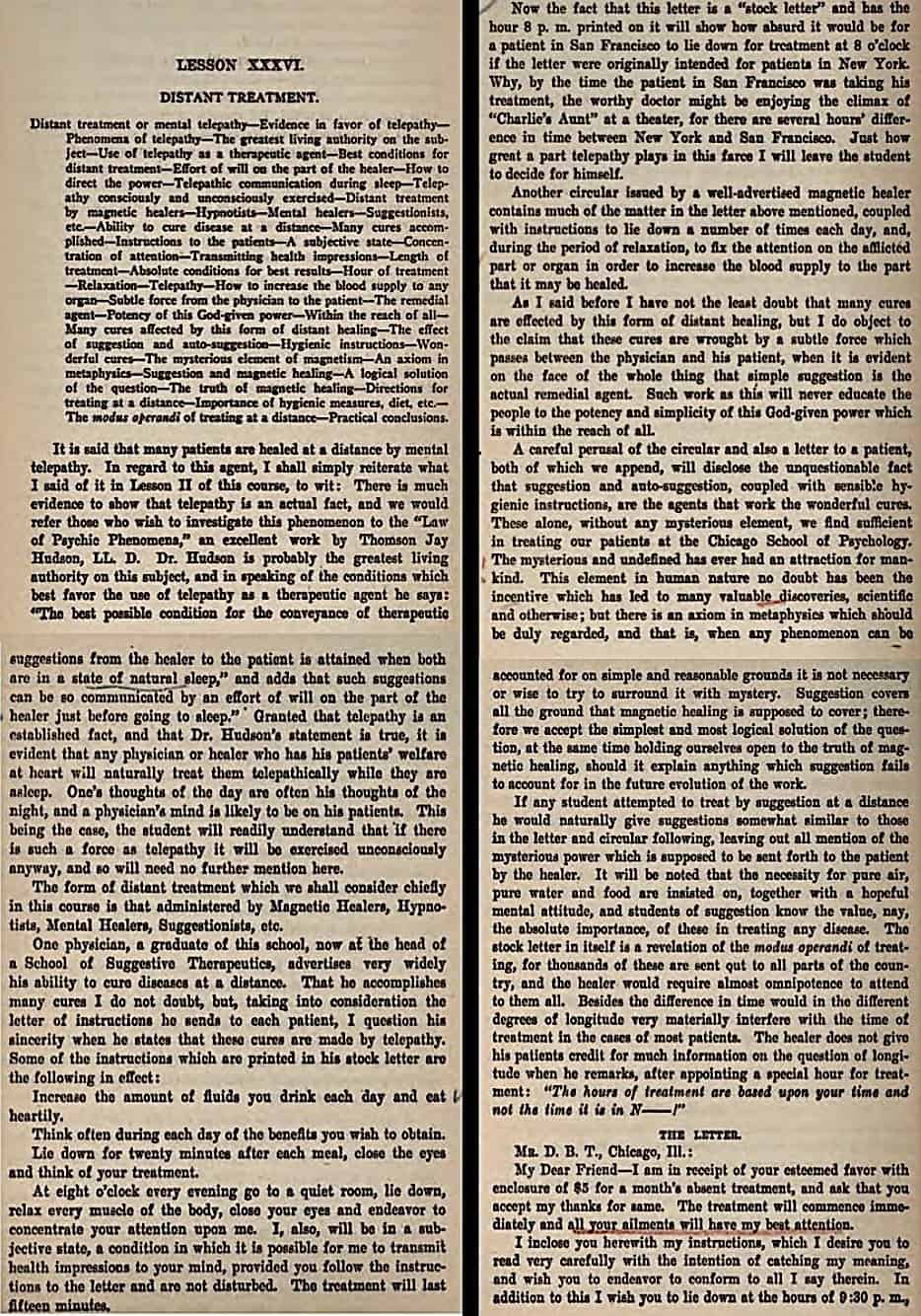
This is exactly the position Parkyn takes in his 1898 Mail Course in Suggestive Therapeutics . He acknowledges the evidence for telepathy and leaves the question open, but argues that when one examines how distant healers actually operate, suggestion and auto-suggestion are doing the real work. After reviewing the instructions sent by a well-known distant healer, Parkyn concludes that the supposed telepathic treatment consists largely of positive suggestions, mental concentration, expectation, and sensible hygienic advice. His conclusion is direct: “simple suggestion is the actual remedial agent.”
The significance of this parallel should not be overlooked. Distant healing was a widely discussed subject during the late nineteenth and early twentieth centuries, and many writers attributed its effects to magnetic forces, psychic currents, spiritual agencies, or other unseen influences. Parkyn’s position was different. He consistently argued that suggestion was the operative principle behind the reported cures. Finding the same explanation reproduced in The Science of Psychic Healing is therefore more than a general similarity. It is another major example of a distinctly Parkynian interpretation appearing within the book. The agreement is so specific that it is impossible to dismiss as coincidence, providing further evidence that the work was drawing directly from Parkyn.
Mail Course:
Conclusion
The evidence presented throughout this study leaves little room for doubt. From its terminology and psychology to its methods of healing, health instruction, and practical exercises, The Science of Psychic Healing follows the exact framework Parkyn had been teaching through the Chicago School of Psychology. The question of authorship and whether William Walker Atkinson physically wrote the manuscript is ultimately a secondary question, as we have demonstrated that the writer was not acting as an independent philosopher developing an original system. If indeed it was Atkinson that did the work of compiling the text for the book, then he was functioning in the role Parkyn had long used him for: that of a talented student, compiler, and writer capable of transforming Parkyn’s teachings into books for a wider audience. The ideas, terminology, methods, and underlying philosophy were already in place, and the system itself was unmistakably Parkyn’s. The book, therefore, stands not as evidence of a new doctrine but as another expression of the same educational program Parkyn had been advancing for years, now presented through the language of Yogi philosophy to keep the Law of Suggestion at the center of a rapidly growing Yoga movement.