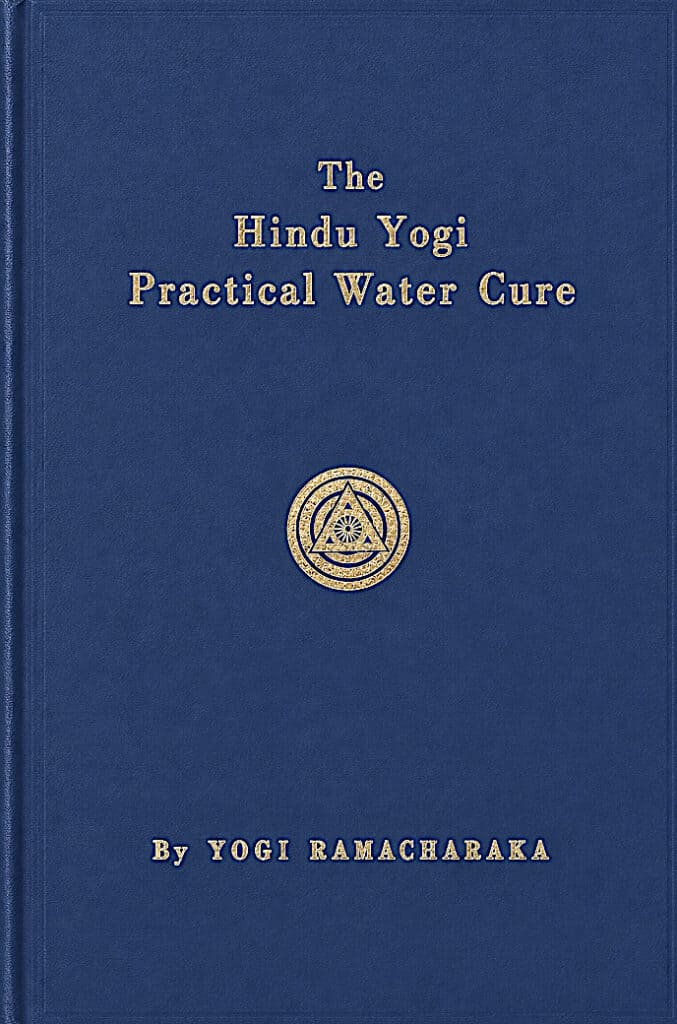
The Hindu-Yogi System of Practical Water Cure, published by the Yogi Publication Society under the name Yogi Ramacharaka, presents water as one of the most fundamental agents of physical health and combines physiological explanations, hygiene, mental suggestion, and the Yogi concept of Prana into a unified system of natural healing. Instead of treating water merely as something that relieves thirst, the book argues that it participates continuously in digestion, circulation, elimination, temperature regulation, the cleansing of tissues, the activity of the skin, and the maintenance of nearly every bodily process. Its central message is correspondingly simple: the body requires an adequate and regular supply of water, and many disturbances attributed to disease or weakness are aggravated by neglect of this elementary requirement. Around that principle the work develops an extensive program involving drinking water, bathing, cleansing, digestive health, skin care, therapeutic applications of hot and cold water, and the deliberate formation of healthier habits.
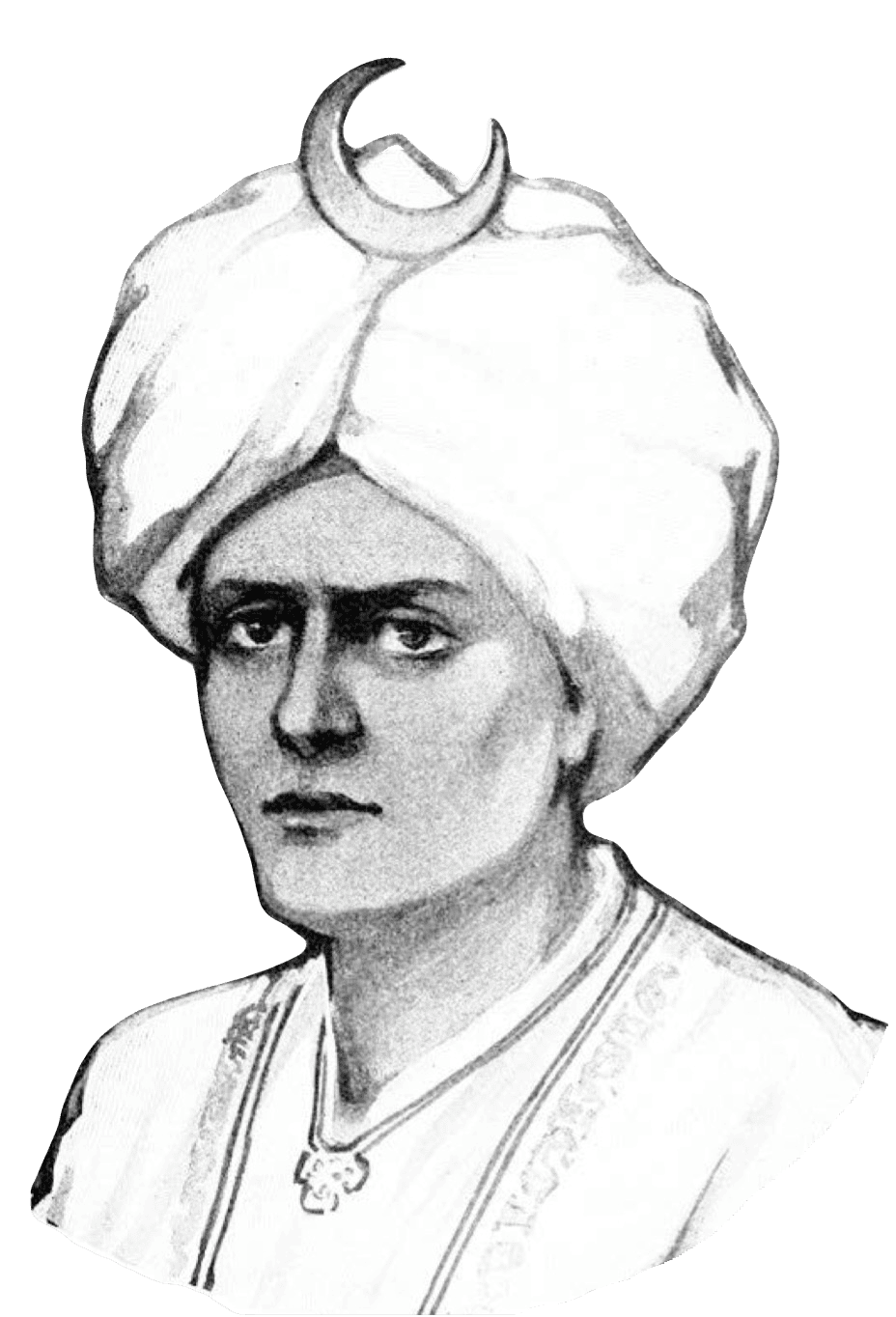
Yogi Ramacharaka
The book is also an unusually revealing example of the way the Yogi Publication Society combined Western physiological teaching with the philosophical framework of its Ramacharaka books. Water is explained in two complementary ways. On the physical level, it is a solvent, carrier, cleanser, and indispensable constituent of the body. On the Yogi level, it is also capable of carrying Prana, the vital energy discussed throughout the Ramacharaka series. The advice moves repeatedly between ordinary physiology and the esoteric language of Hatha Yoga without treating the two as contradictory. The result is a natural-health manual interpreted through Yogi philosophy.
The book also has deep roots in the earlier teachings of Dr. Herbert A. Parkyn and the water research of Elmer Ellsworth Carey. Years before the publication of Practical Water Cure, Parkyn had made sufficient water consumption one of the fundamental “life essentials” of health and had taught the deliberate cultivation of what he called the “Two Quart a Day Habit.” The book reproduces this same two-quart daily standard and joins it to the system of auto-suggestion Parkyn had developed for establishing beneficial habits. Carey, meanwhile, had independently devoted years to studying and writing about water and health and provided an important connection between the physiological subject and the broader natural-health and Yogi framework in which the book appeared. These connections are examined in detail at the end of this summary because they help explain why Practical Water Cure contains such an unusual mixture of medical physiology, habit formation, suggestion, natural hygiene, and Yogi teaching.
What Is the Central Teaching of The Hindu-Yogi System of Practical Water Cure?
The fundamental teaching of the book is that water is one of Nature’s simplest and most powerful means of maintaining the normal functioning of the human body. Health, in this view, does not ordinarily have to be manufactured through complicated artificial interventions. The body possesses its own regulatory and restorative processes, but those processes require the basic materials and conditions under which they can operate. Water is among the most important of these conditions because it is involved in virtually every major physiological activity. It enters the digestive system, assists in dissolving and transporting substances, becomes part of the blood and bodily fluids, reaches the tissues, participates in the removal of waste, passes through the kidneys, lungs, bowels, and skin, and must continually be replaced.
The book asks the reader to think about health in terms of normal function instead of simply the treatment of symptoms. If the body is continually losing water through perspiration, respiration, urination, and other processes, then failing to replace that water creates conditions in which normal physiological work becomes increasingly difficult. The solution is not presented as a miraculous cure but as the restoration of something the organism naturally requires. This principle runs through the entire work: give Nature the materials and conditions she needs, remove unnecessary obstacles, and allow the body’s own processes to perform their proper work.
This is also why the book places such emphasis on prevention. Water is not important only after sickness appears. Regular drinking, cleanliness, bathing, proper elimination, and sensible habits are presented as everyday practices capable of helping the body remain in a condition in which disease has less opportunity to develop. In this respect, Practical Water Cure belongs to the larger Ramacharaka system of physical culture found in Hatha Yoga, where breathing, food, water, exercise, rest, cleanliness, and mental attitude are treated as interdependent parts of healthy living.
Water as Nature’s Great Remedy
One of the book’s first tasks is to establish the extraordinary importance of water to life itself. The human organism contains an enormous proportion of water, and the body’s tissues cannot continue functioning normally without it. Water is not simply a beverage placed alongside food; it is part of the physical medium through which the body’s activities occur. Nutrients must be dissolved and transported, waste materials must be carried away, secretions require fluid, the blood must maintain an appropriate condition, and the body’s mechanisms of elimination depend upon an adequate supply.
The practical implication is that a person may consume sufficient food and still interfere with normal health by failing to consume sufficient water. The book regards this neglect as surprisingly common. Many people, it argues, have trained themselves to ignore thirst or have substituted other beverages for plain water until their natural habits have become distorted. Because the consequences develop gradually rather than dramatically, insufficient water may not be recognized as a contributing cause of digestive sluggishness, poor elimination, headaches, fatigue, skin problems, and other disturbances.
The body’s continuous loss of water makes regular replacement essential. Water leaves through obvious routes such as urination and sweating, but also through less noticeable processes such as ordinary perspiration and respiration. The body operates within a continuous cycle of intake, circulation, use, and elimination. Health depends partly upon keeping this cycle moving normally.
How Much Water Does the Book Recommend?
The practical standard around which much of the book is organized is approximately two quarts of water per day. The recommendation is presented not as an occasional therapeutic measure but as a normal daily habit. The problem, according to the work, is that many people consume considerably less because they wait until strong thirst forces them to drink. The authors instead encourage the reader to establish water drinking deliberately until sufficient intake becomes automatic.
This distinction between intention and habit is important. The book does not merely tell the reader what quantity of water should be consumed; it considers how a person can actually make the practice permanent. A health rule that is remembered for several days and then abandoned accomplishes little. The goal is to make regular water consumption part of the unconscious routine of life, requiring no more effort than other established daily behaviors.
The principal ideas can be reduced to several interconnected rules:
Drink sufficient plain water each day instead of relying exclusively upon thirst.
Establish approximately two quarts per day as the normal daily standard advocated by the system.
Distribute water through the day instead of treating the entire quantity as a single forced dose.
Recognize water as necessary for digestion, circulation, tissue maintenance, and elimination rather than merely as a response to thirst.
Use bathing and external applications of water as additional means of cleanliness, stimulation, and physical regulation.
Form the practice into a permanent habit through repetition and mental suggestion.
The emphasis is upon consistency. The book’s “water cure” is not primarily a temporary treatment undertaken when something goes wrong. It is an attempt to restore a normal relationship between the human organism and one of the essential substances upon which it depends.
Why Does the Book Focus So Heavily on Digestion and Elimination?
A substantial portion of Practical Water Cure is devoted to the stomach, intestines, bowels, and processes of assimilation and elimination because the book regards the digestive tract as one of the areas in which inadequate water intake produces particularly serious consequences. Food cannot simply enter the stomach and somehow become bodily tissue. It must be broken down, mixed with digestive fluids, absorbed, transported, utilized, and eventually separated from material that the body cannot use. Water participates throughout this chain of events.
The work provides the reader with a relatively detailed description of digestive anatomy and physiology. The stomach and intestines are not discussed merely to demonstrate scientific knowledge; understanding their function is meant to make the recommendations intelligible. If a reader understands how material passes through the alimentary canal, how nutrients are absorbed, and how waste is eventually expelled, then the importance of adequate fluid becomes easier to appreciate.
The book repeatedly returns to the idea that health depends upon movement. Nutrients must move into the body, blood must circulate, fluids must pass through tissues, and waste must move out. Stagnation is treated as the enemy of normal physiological function. Water is valuable precisely because it facilitates these processes instead of acting as an independent medicine imposed upon them.
The “Obstructed Sewer” and the Problem of Waste
One of the book’s most memorable analogies compares the intestinal tract to a sewer system. The language is intentionally blunt. A city could not remain healthy if its sewer became clogged with decomposing waste, and the human organism, according to the book, faces a comparable problem when elimination becomes chronically impaired. Constipation is treated not as a trivial inconvenience but as a condition capable of affecting the entire system.
The analogy illustrates the book’s larger philosophy of disease. Waste is supposed to leave the body. When normal elimination is interfered with, substances that should have been expelled remain where they do not belong. The authors connect this condition with fermentation, decomposition, absorption of undesirable substances, and a variety of secondary symptoms. The proper response is not simply to suppress those symptoms but to restore normal elimination.
Water becomes essential in this context because adequate fluid helps maintain the condition necessary for normal intestinal activity. The book argues that chronic insufficient drinking contributes to dryness and sluggishness within the digestive tract. Increasing water consumption is presented as part of an effort to restore normal bowel function rather than as an isolated remedy.
What Does the Book Mean by an “Internal Bath”?
The concept of the “internal bath” is one of the central images of the work. People readily understand the importance of washing the outside of the body, yet the book argues that they often fail to consider the continuous cleansing processes occurring inside it. Drinking water is described as a kind of internal washing because water enters the system, circulates through it, participates in the transport of waste, and eventually carries material outward through the organs of elimination.
This metaphor helps unify the book’s teachings about hydration, digestion, circulation, kidney function, and elimination. Water is not imagined literally scrubbing the organs. Rather, the phrase communicates the idea that the body possesses an internal system of fluid movement and waste removal that depends upon sufficient water. A person who carefully bathes the skin while chronically depriving the internal system of fluid is, from the book’s perspective, attending to only half of cleanliness.
The internal bath also reflects the work’s recurring preference for simple natural processes. Instead of searching first for complicated remedies, the reader is encouraged to ask whether the body’s elementary requirements are being met. Is enough water being supplied? Is waste being eliminated regularly? Is the skin clean and functioning? Is digestion normal? Are breathing, exercise, and other fundamental habits being neglected? These questions place Practical Water Cure within the larger natural-health philosophy of the Yogi Publication Society.
The Skin as an Organ of Health
The skin receives considerable attention because the book treats it as an active organ rather than a passive covering. Through the skin the body interacts constantly with the surrounding environment, regulates heat, produces perspiration, and participates in elimination. Its pores and glands have physiological functions that can be supported or interfered with by personal habits.
Bathing serves several purposes within this framework. It removes accumulated material from the surface, supports cleanliness, and can influence circulation and nervous activity depending upon the temperature and manner in which water is applied. The book treats bathing as part of health maintenance instead of merely social grooming.
This also explains the substantial amount of water recommended for external use. Parkyn’s earlier system had advocated two gallons or more daily for external cleansing, either in one thorough bathing period or divided between morning and evening. In Practical Water Cure, external water use fits naturally beside the two-quart drinking program: one supplies the internal needs of the organism while the other maintains the external organ through which perspiration and temperature regulation occur.
Hot Water, Cold Water, and the Body’s Reaction
The book does not regard all applications of water as physiologically identical. Temperature matters because hot and cold water produce different bodily reactions. Cold water tends initially to contract surface blood vessels and stimulate a subsequent reaction, while warmer water relaxes tissues and produces different circulatory effects. The art of hydrotherapy consists partly in understanding that water can influence the body through temperature as well as through hydration and cleansing.
Instead of presenting extreme hydrotherapy as universally desirable, the work generally emphasizes intelligent application. The constitution and condition of the individual matter, as do the purpose of the treatment and the body’s reaction afterward. The reader is encouraged to observe effects rather than mechanically assume that the most severe application will produce the greatest benefit.
This is consistent with the book’s larger philosophy. Nature works through law, and a natural treatment is effective only when it cooperates with those laws. Water is not magical because it is natural. Its usefulness depends upon the physiological response it produces.
Bathing as a Daily Health Practice
The ordinary bath becomes, in the book’s system, one of the simplest forms of preventive health care. Regular bathing keeps the skin clean, supports the proper activity of the pores, removes material deposited through perspiration, and provides an opportunity to stimulate or soothe the body according to the temperature and method employed.
The book encourages readers to stop thinking of bathing solely in terms of appearance. A person may look clean while failing to appreciate the physiological importance of the skin. Conversely, the regular use of water becomes part of a larger discipline of bodily awareness in which the individual pays attention to the normal processes through which health is maintained.
Morning and evening routines are especially useful because they convert health practices into habits. Morning water can stimulate and prepare the body for activity, while evening washing can remove the accumulation of the day and become part of the transition toward rest. This emphasis on routine anticipates the book’s later discussion of suggestion: repeated actions become increasingly automatic, and health is easiest to maintain when beneficial practices no longer require a daily struggle of will.
Water and the Kidneys
The kidneys occupy an important place in the book’s physiological explanation because they are among the principal organs through which dissolved waste leaves the bloodstream. If the body is continuously producing waste through metabolism, then sufficient fluid is required to assist the normal process by which this material is carried to and eliminated through the kidneys.
The book interprets urine not simply as unwanted liquid but as evidence of an essential cleansing process. Water enters the body, becomes involved in its internal circulation, and helps carry away substances that no longer serve a useful purpose. Restricting fluid unnecessarily is portrayed as interfering with one of Nature’s principal mechanisms of elimination.
Here again the larger lesson is that the organism must be supplied before it can perform its work. The authors continually resist the idea that the body can be neglected at the level of fundamental requirements and then repaired afterward by extraordinary remedies. Proper water intake is valuable precisely because it supports the ordinary work of healthy organs before severe dysfunction appears.
Water, Circulation, and the Blood
Water is also presented as essential to the proper condition and movement of the blood. Blood must transport oxygen, nutrients, secretions, and waste products throughout the organism, and its fluid component is indispensable to this work. The body’s tissues exist within a constantly moving system of exchange, and water is part of the medium through which that exchange occurs.
The book treats hydration as a whole-body issue. The effects of water cannot be confined to the stomach simply because that is where drinking begins. Once absorbed, water becomes part of the body’s circulating fluids and influences organs and tissues throughout the system. This is one reason the authors regard habitual underconsumption as capable of producing effects that appear unrelated to thirst.
From this perspective, the water cure is really an attempt to maintain the fluid environment upon which normal physiology depends.
What Is Prana, and How Does It Relate to Water?
The specifically Yogi dimension of the book appears most clearly in its treatment of Prana. Throughout the Ramacharaka writings, Prana is described as a universal vital force associated with living activity and obtainable through air, food, water, sunlight, and other natural sources. Practical Water Cure incorporates ordinary hydration into this larger energetic model.
Water has two dimensions. Physically, it performs functions that Western physiology can describe. Esoterically, it can also serve as a carrier of Prana. The book sees no contradiction between these explanations because it treats Prana as a subtler natural force operating alongside the processes recognized by conventional science.
This distinction between an exoteric and esoteric explanation had already appeared in Hatha Yoga. There the public or exoteric teaching involved the recognized effects of food, water, air, exercise, and sunlight, while the esoteric interpretation added Prana as the vital principle associated with each. Practical Water Cure essentially expands the water component of that earlier system into a specialized manual.
Can Water Be “Pranaized”?
The book teaches that water may be deliberately charged or “Pranaized” through concentrated thought, breathing, intention, and the direction of vital energy. This practice belongs to the occult side of the Ramacharaka system rather than to the physiological arguments supporting ordinary hydration. The reader is instructed to conceive of water not simply as chemically composed matter but as a medium capable of receiving and transmitting subtle force.
The underlying mental principle is important even beyond the occult terminology. The act of Pranaizing water requires concentration, expectation, deliberate intention, and a clear mental image of the desired effect. The procedure joins the physical act of drinking with a psychological act of suggestion. Water becomes both the material agent and the focal point around which thought is organized.
This blending of physical and mental treatment is characteristic of the wider Yogi Publication Society health system. Hatha Yoga addresses the body, The Science of Psychic Healing addresses mental and psychic influence, and Practical Water Cure brings the two approaches together around a specific natural agent.
The Role of the Mind in Physical Health
Although the book is primarily concerned with water, it never entirely separates physical health from mental activity. Habit, expectation, attention, and suggestion influence whether the reader actually follows the practices being taught. A person may intellectually accept the need for sufficient water while repeatedly forgetting to drink it. The problem then becomes psychological instead of informational.
This is where the system of suggestion becomes especially important. Instead of relying indefinitely upon conscious effort, the reader is encouraged to impress the desired behavior upon the habitual mind until it becomes automatic. The ultimate objective is not to spend every day anxiously counting glasses of water. It is to establish a normal impulse to consume the appropriate amount.
The principle is much larger than hydration. Repeated thought encourages repeated action; repeated action establishes habit; and habit influences physical life. In this way the book’s water regimen becomes an example of a theory of self-training.
How Does the “Two Quart a Day Habit” Work?
The “Two Quart a Day Habit” is one of the clearest points at which Practical Water Cure intersects with the system of Suggestion developed in Parkyn’s teaching. The reader is not simply instructed to drink two quarts. The desired behavior is mentally reinforced until the need to drink sufficient water becomes part of the individual’s habitual conduct.
This approach rests upon the idea that repeated suggestions can influence automatic behavior. At first, a new health practice requires conscious attention. The person must remember it, make time for it, and overcome established patterns. Repetition gradually reduces that effort. Eventually the behavior can occur with little conscious deliberation.
Water drinking becomes a demonstration of the relationship between thought and action. The mind establishes the pattern and the body follows the established routine. In Parkyn’s terminology, thought takes form in action. Within Practical Water Cure, this psychological principle is applied to one of the most elementary physical requirements of life.
Water as Part of a Larger Natural System
Despite its title, the book does not suggest that water should replace every other principle of health. Water belongs within a larger natural system that includes food, breathing, exercise, cleanliness, rest, sunlight, proper elimination, and constructive mental habits. The error lies not only in neglecting water but in expecting any single practice to compensate permanently for neglect of everything else.
This framework connects Practical Water Cure directly with Hatha Yoga. The earlier book describes physical health as the result of living in accordance with natural laws and devotes substantial attention to water, digestion, elimination, breathing, and the skin. Practical Water Cure takes one of these subjects and develops it much further, explaining why water matters internally and externally and how its use can be incorporated into a disciplined daily routine.
The underlying ideal is normality. The goal is not to transform the body into something supernatural but to restore the conditions under which its natural intelligence can operate without unnecessary interference.
What Are the Main Practices Taught in the Book?
Although Practical Water Cure contains lengthy physiological explanations, its system is straightforward when reduced to its essentials. The reader is encouraged to consume sufficient water regularly, cultivate approximately a two-quart daily habit, maintain the cleanliness and activity of the skin through bathing, support normal digestion and elimination, understand the different effects of hot and cold water, use water intelligently rather than excessively, and combine physical practice with constructive mental suggestion.
The Yogi component adds another level: water may be regarded as carrying Prana and may be mentally charged for particular purposes. Whether read literally or as a method of concentrating intention, these practices reinforce the book’s insistence that mind and body should not be treated as completely independent systems.
The overall program can be understood as three overlapping forms of water use: internal water for hydration and elimination, external water for cleanliness and physiological stimulation, and mentally directed or Pranaized water within the esoteric Yogi system.
Why Is Habit More Important Than Occasional Treatment?
One of the deeper lessons of the book is that health depends more upon ordinary repeated behavior than extraordinary occasional treatment. Drinking a large quantity of water once cannot correct a lifetime of poor habits. A single bath cannot substitute for regular cleanliness. One day of attention to digestion cannot compensate for chronic neglect. The body’s processes continue every hour, so the habits supporting those processes must also be continuous.
This is why the language of habit formation matters so much. The ideal reader ultimately does not experience the system as a “cure” at all. Drinking sufficient water, bathing regularly, maintaining elimination, breathing properly, eating sensibly, and attending to the body’s signals become normal parts of life.
The book thus shifts responsibility toward daily conduct. Health is not presented as something exclusively delivered by a physician after disease appears. The individual has a continuing role in maintaining the conditions upon which normal function depends.
The Relationship to Hatha Yoga and the Ramacharaka Health System
Practical Water Cure is best understood not as an isolated Yogi Publication Society title but as an extension of the physical-health system developed throughout the Ramacharaka books. Hatha Yoga had already presented water as one of the essential natural factors of health and described the body’s heavy dependence upon it, its role in perspiration and elimination, and its relationship to Prana. It also treated digestion, intestinal cleanliness, skin function, breathing, and other subjects that return in expanded form in Practical Water Cure.
The relationship between the books is structural. Hatha Yoga supplies the general philosophy of natural physical health; The Science of Breath specializes in respiration and Pranic breathing; The Science of Psychic Healing develops the mental and suggestive side of health; and Practical Water Cure concentrates upon water. Read together, the books present different branches of a common system instead of unrelated health theories.
That organization is important for understanding the Yogi Publication Society’s method. Western readers were introduced to broad Yogi principles and then offered specialized works applying those principles to particular areas of life. Water, breath, food, thought, mental influence, and spiritual development could each become the subject of a separate volume while remaining connected through the same underlying conception of natural law.
What Makes Practical Water Cure Different from an Ordinary Hydrotherapy Book?
The book’s distinctive feature is its attempt to unite several intellectual traditions that would ordinarily have been kept separate. It contains physiological explanations characteristic of contemporary health literature, natural-hygiene arguments about living according to the body’s requirements, hydrotherapeutic discussions of external water applications, psychological methods of suggestion and habit formation, and the Yogi doctrine of Prana.
Instead of choosing between these approaches, the work layers them together. A reader interested only in physical health can follow the hydration and bathing recommendations. A student of mental science can focus on the formation of habits through suggestion. A student of Yogi philosophy can interpret water as a carrier of Prana. The same act can be understood simultaneously on physical, psychological, and esoteric levels.
This layered construction helps explain why the book fits so naturally within the Yogi Publication Society catalog. The Society repeatedly presented modern Western subjects through an Eastern philosophical framework, creating books that could appeal to readers of health reform, New Thought, psychology, occultism, and comparative religion at the same time.
Parkyn, Carey, and the Origins of The Hindu-Yogi System of Practical Water Cure
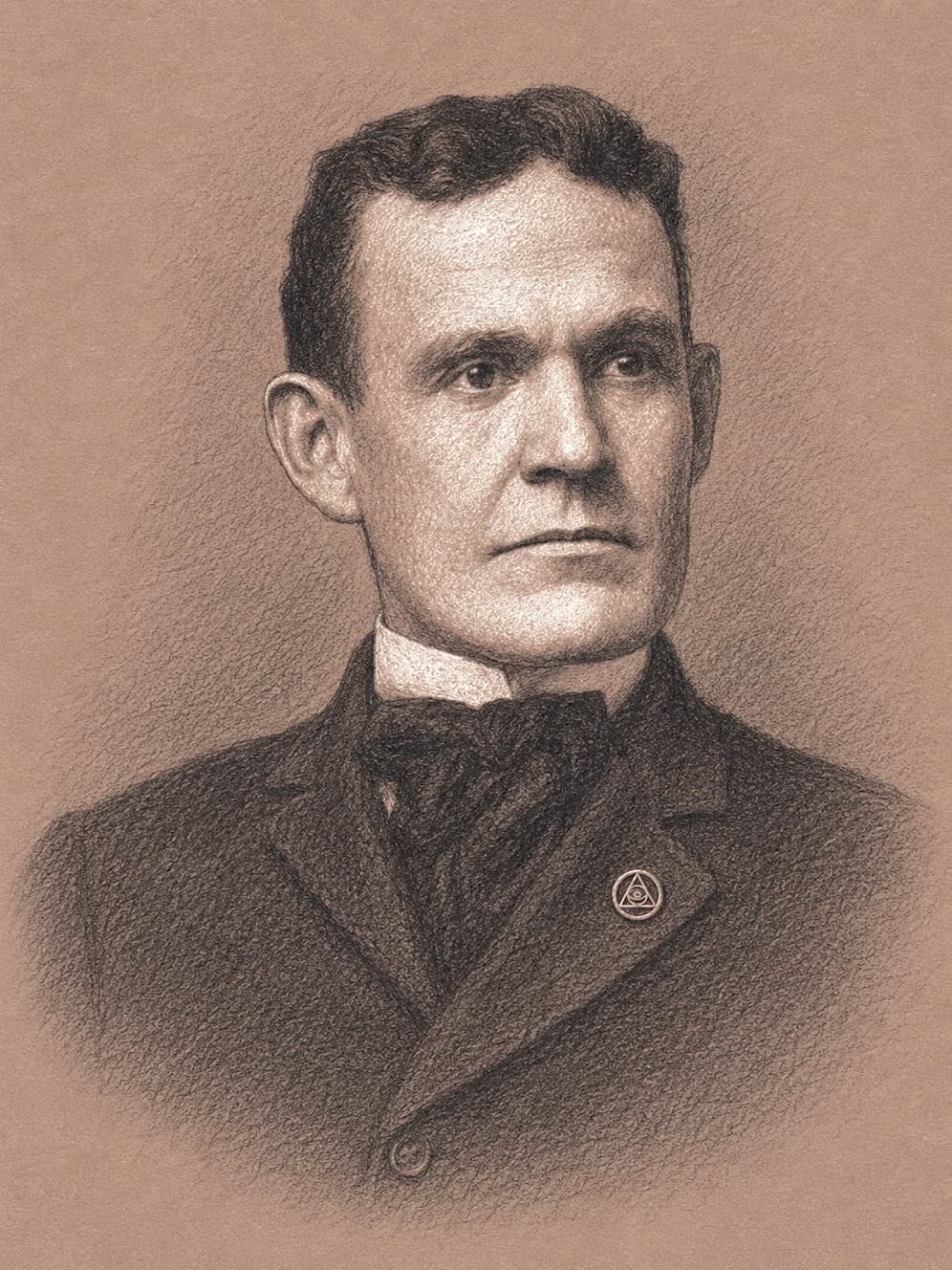
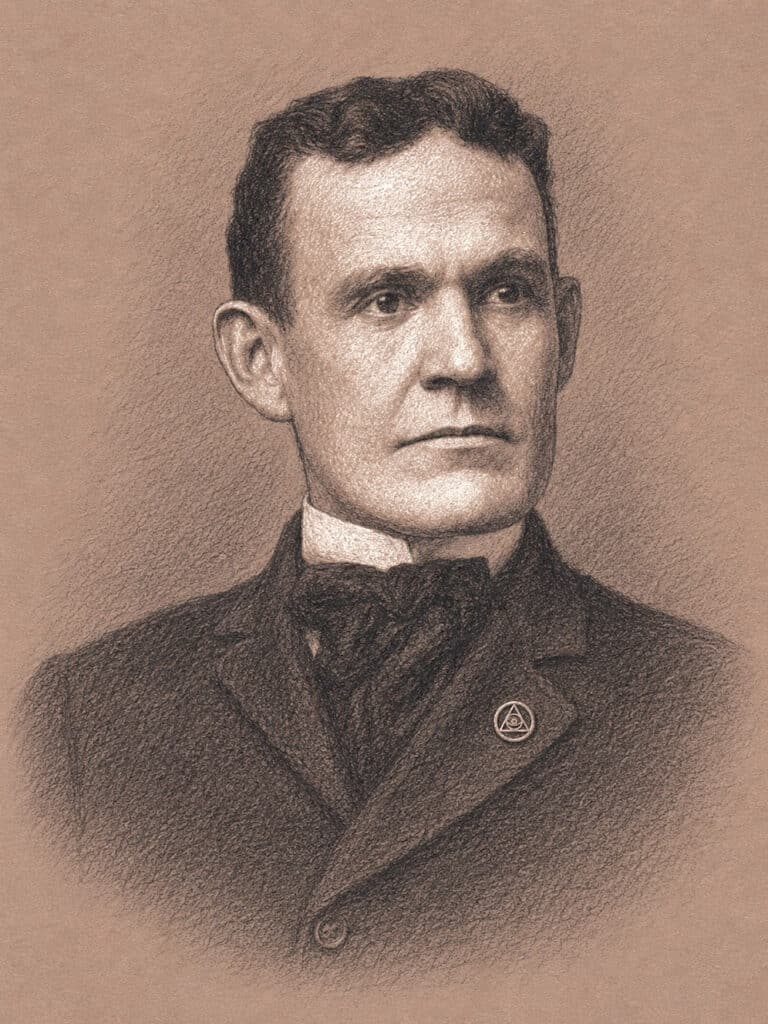
Herbert A. Parkyn
The strongest historical context for understanding Practical Water Cure lies in the earlier teachings of Dr. Herbert A. Parkyn and the water research of Elmer Ellsworth Carey. The book did not suddenly introduce its central ideas in 1909. Parkyn had been teaching the importance of adequate water consumption for years as part of the health system surrounding his Chicago School of Psychology, Suggestion magazine, and his work in suggestive therapeutics. Within that system, health depended upon what he called the fundamental “life essentials,” and water occupied a central position among them.
Beginning in the late 1890s, Parkyn emphasized that people routinely consumed less water than their bodies required and argued that approximately two quarts per day should become a normal standard. His concern was not simply thirst but the physiological functions water performs throughout the organism. Digestion, circulation, elimination, the kidneys, the skin, and the removal of bodily waste all depended upon adequate fluid. This is essentially the physiological argument developed at length in Practical Water Cure.
Parkyn also extended the principle to external water use. He recommended substantial daily bathing, describing approximately two gallons or more for external use, whether employed in one thorough bathing session or divided between morning and evening. Internal and external cleanliness were two aspects of the same natural-health system: sufficient water entered the organism to support its internal processes, while external water maintained the skin and aided bodily cleanliness.
Parkyn did not stop with telling students that they ought to drink more water. His system of Suggestion provided a psychological mechanism for converting knowledge into behavior. He developed auto-suggestions intended to establish what he called the “Two Quart a Day Habit.” The same approach appears in The Hindu-Yogi System of Practical Water Cure, where water consumption becomes an exercise in deliberate habit formation as well as physical hygiene. The connection is particularly striking because the teaching combines Parkyn’s two principal areas of expertise: physiology and Suggestion.
This is also why the medical character of portions of the book is significant. Practical Water Cure does not merely repeat general statements that water is healthy. It explains the stomach, intestines, skin, circulation, elimination, and other bodily functions in considerable detail and attempts to show precisely why water affects them. That material sits beside the language of Prana and Yogi philosophy, producing the unusual combination that characterizes the work.
Elmer Ellsworth Carey and a Lifelong Study of Water
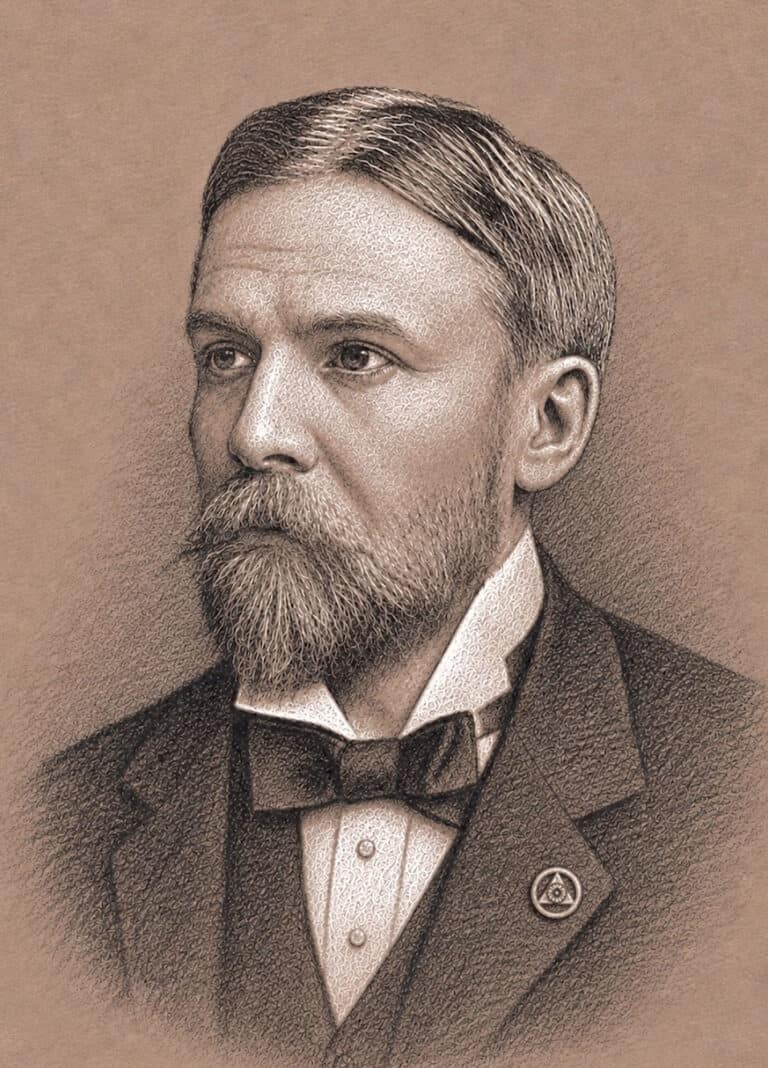
Elmer Ellsworth Carey provides another important part of the book’s background. Carey had a sustained personal and professional interest in water and health long before Practical Water Cure appeared. He wrote publicly about water consumption and the use of water for health, making the subject one of his continuing areas of investigation. His involvement helps explain how the book could bridge a detailed Western natural-health discussion with the philosophical presentation associated with the Yogi Publication Society.
Elmer Elsworth Carey
Carey’s interest was not temporary. It remained a major part of his life and eventually became professional. By the time of his death in 1936, he was a partner and research director of the Sparkletts Bottled Water Company in Los Angeles. Seen in that context, his connection with a 1909 book devoted almost entirely to the physiological and therapeutic importance of water is especially noteworthy.
Parkyn and Carey supplied complementary elements. Parkyn’s work provided a developed medical and psychological framework: water as a fundamental life essential, the two-quart standard, extensive physiological reasoning, external bathing, and the use of auto-suggestion to establish the habit. Carey brought his own extensive study of water and helped connect this health subject with the natural and Yogi framework through which the material was presented to the Yogi Publication Society’s readership.
From the Chicago School’s “Life Essentials” to Yogi Philosophy
The historical importance of Practical Water Cure becomes clearer when it is placed within the development of the publishing network from which the Yogi Publication Society emerged. Parkyn’s earlier teaching had approached health through basic natural requirements rather than through suggestion alone. Suggestion was powerful, but the mind could not eliminate the body’s physical need for air, water, food, rest, exercise, and cleanliness. Mental influence and physical law had to work together.
The Ramacharaka health books preserve the exact same structure while translating it into Yogi terminology. What Parkyn’s system discussed as natural physiological effects of water could be supplemented with the doctrine of Prana. What Parkyn taught as auto-suggestion could appear alongside Yogi concentration and mental direction. Practical Water Cure is a clear example of this process. The subject itself is concrete enough that the teaching can be compared directly: the quantity of water, the purpose of drinking it, the physiological explanations, the importance of the skin and elimination, the external use of water, and the deliberate establishment of the drinking habit. These are not merely philosophical similarities; they form the core of the book.
What Is the Lasting Significance of The Hindu-Yogi System of Practical Water Cure?
For modern readers, the book is valuable on several levels. It is a historical natural-health manual, an example of early twentieth-century popular physiology, a specialized extension of the Ramacharaka Hatha Yoga system, and an unusually clear document of the intellectual exchange occurring within the network surrounding the Yogi Publication Society. Some of its medical explanations and therapeutic practices belong firmly to the medical understanding of its era and should be read historically rather than as present-day medical guidance. Its larger concern with hydration, hygiene, routine, and the relationship between repeated behavior and health, however, helps explain why the work appealed to readers seeking practical methods of self-care.
More importantly for the history of the Yogi Publication Society, Practical Water Cure demonstrates how the Ramacharaka books could absorb teachings already circulating within Parkyn’s Chicago network and recast them within an Eastern philosophical vocabulary. The book does not simply place a few references to Yoga around an unrelated Western health system. It integrates the two throughout: physiology explains what water does materially, Prana explains its esoteric dimension, and Suggestion explains how the reader can convert knowledge into lasting behavior.
The central message is ultimately simple. Human beings are organisms governed by natural laws, and health depends in large measure upon supplying the conditions those laws require. Water is indispensable to those conditions. Drink it adequately, use it intelligently, maintain internal and external cleanliness, support the body’s processes of digestion and elimination, and make these practices habitual rather than occasional. Around that straightforward foundation, The Hindu-Yogi System of Practical Water Cure constructs an entire philosophy of physical self-care—one that brings together Yogi philosophy, natural hygiene, physiological instruction, Prana, and the system of Suggestion that had already been developed within Herbert A. Parkyn’s teaching and carried forward with the water research of Elmer Ellsworth Carey.