Herbert A. Parkyn’s system of suggestive therapeutics joined mental influence to a very specific conception of the physical conditions necessary for health. Suggestion and healthy thought could stimulate the body, direct its functions, and encourage the restoration of normal physiological activity, but Parkyn did not teach that thought could simply replace the physical requirements of life. The body first had to be supplied with what he called the five “life essentials.” His choice of five essentials also fits within a much older philosophical pattern in which human life and health were understood through five fundamental elements. In both Western Hermetic philosophy and Indian philosophy, these elements connected the human body with the forces and substances of the natural world.
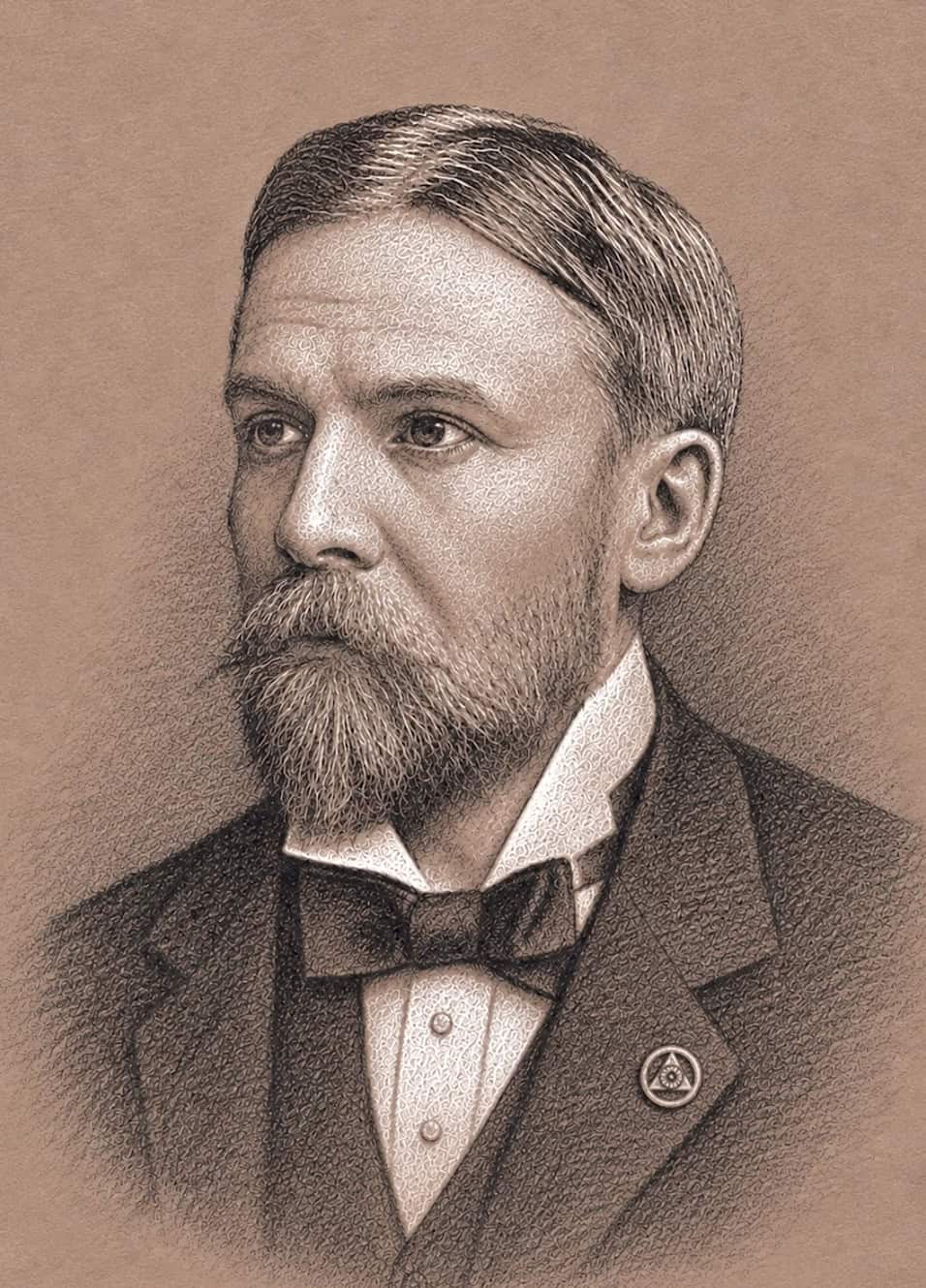
Central to Parkyn’s system of suggestion and suggestive therapeutics was his teaching that the body must be furnished with the “life essentials” necessary to create and maintain health. Parkyn taught that although the mind possessed a powerful capacity to influence physiological processes, including increasing blood flow to affected areas and stimulating the organs responsible for nutrition and elimination, this capacity could only manifest fully when the body received an adequate quantity and quality of the materials required for life. He placed considerable emphasis on water, recommending approximately two quarts of fresh water each day. His five life essentials were fresh air, sunshine, water, food, and exercise.
Parkyn summarized the relationship between thought and these physical essentials when he wrote:
“Thought tends to take form in action, and, with the life essentials properly supplied, thought action becomes a power in stimulating the organs of nutrition and elimination.”
The Ancient Five Elements
Parkyn closely aligned this conception with the ancient Hermetic doctrine of the five elements, in which the material world and the processes of nature were understood through five fundamental principles. These were Air, Fire, Water, Earth, and Aether or Spirit. The elements represented more than ordinary physical substances. They also represented forces, qualities, and modes of activity operating throughout nature and within the human being. Health could accordingly be understood as a condition in which these different aspects of life operated in harmony.
Parkyn’s five life essentials can be placed directly alongside this ancient elemental framework. Air corresponded to fresh air and the deliberate practice of deep breathing. Fire was represented by sunshine and the effects of light and warmth upon the body. Water corresponded to the ingestion of sufficient quantities of water, to which Parkyn attached considerable importance, as well as his interest in the purifying qualities of distilled water. Earth corresponded to food and physical nourishment. Parkyn stressed that food should be approached with the appetite and expectation of health instead of with the restricted habits and expectations of sickness. Spirit or Aether corresponded to exercise and activity, including both the movement of the physical body through space and the activity of the mind within what could be conceived as inner space.

Within the Hermetic and Platonic tradition, the five elements were also associated with the five Platonic solids. These geometric forms provided a visual and mathematical representation of the elemental order of nature, connecting Air, Fire, Water, Earth, and the fifth element with distinct forms. The elemental system thus provided a way of relating the structure of the physical world to a larger conception of order, proportion, and harmony. Parkyn’s five life essentials can be understood within this same framework, with physical health depending upon the proper relationship between the human organism and the fundamental conditions that sustain it.
Parkyn made the relationship between physical nourishment and mental activity especially clear in his discussion of healthy and unhealthy thought:
“The mind is an important factor in building up the health and maintaining good health. Thoughts of health and strength promote health and strength, if the life essentials are properly supplied to the body. Thoughts of sickness and fear thoughts will produce sickness, for they interfere with the normal appetite for the life essentials, and the life essentials being neglected in consequence, the body grows weaker, and in this condition it is open to the inroads of all kinds of physical complaints and contagious diseases. The greatest preventive against diseases of all kinds is good health, and, next to the life essentials, the greatest factor in maintaining good health is healthy thinking.”
This passage is important because it shows that Parkyn did not separate mind and body into independent systems. Thought acted upon the organism, while the organism required air, sunlight, water, nourishment, and activity in order to respond properly. Healthy thought encouraged the proper use of the life essentials, while fear and thoughts of sickness could disrupt appetite, behavior, and the normal processes through which those essentials were obtained and used. His system consequently placed mental and physical health within a single interacting process.
How were Parkyn’s “life essentials” related to Yogi philosophy?
The same fivefold pattern appears in Indian philosophy through the Pancha Bhuta or Pancha Mahabhuta, the five great elements from which the physical world and the human organism are understood to be constituted. These are Earth or Prithvi, Water or Jal, Fire or Agni, Air or Vayu, and Space or Akasha. Earth represents solidity and physical structure. Water represents fluidity, cohesion, nourishment, and sustenance. Fire represents heat, transformation, digestion, and metabolism. Air represents movement, respiration, and circulation. Akasha represents space, the field within which the other elements exist and interact.
The similarity to Parkyn’s five life essentials becomes especially noticeable when they are placed beside one another. His fresh air corresponds naturally with Vayu. Sunshine corresponds with the heat and transformative principle of Agni. Water corresponds directly with Jal. Food supplies the material substance associated with Prithvi. Exercise introduces movement through space and therefore brings together the functions represented by Vayu and Akasha. The correspondence is not exact in every detail, nor does Parkyn simply reproduce the Indian system, but both systems organize the requirements and activities of embodied life around a fivefold relationship between the organism and the natural world.

This conception also formed an important part of Ayurveda, the traditional Indian medical system closely associated historically with Indian philosophical understandings of the body. Ayurveda teaches that the five elements participate in the constitution and functioning of the human organism and combine into three fundamental biological principles or doshas. Vata is principally associated with Space and Air and governs movement, respiration, circulation, and nervous activity. Pitta is principally associated with Fire and Water and governs digestion, metabolism, heat, and transformation. Kapha is principally associated with Earth and Water and provides structure, cohesion, lubrication, and stability. Health depends upon the appropriate relationship among these principles, while disorder is understood through disturbances in their balance.
- Earth (Prithvi): Represents the physical structure of all things.
- Water (Jal): Symbolizes the capacity to nourish and sustain.
- Fire (Agni): Represents the power of digestion and metabolism.
- Air (Vayu): Corresponds to movement, respiration, and the circulation of vital energy.
- Space (Akasha): Represents the mind and the medium through which things manifest.
- Breath – Vata (Space + Air): Governs movement, creativity, and the nervous system.
- Bile – Pitta (Fire + Water): Regulates digestion, metabolism, and body temperature.
- Phlegm – Kapha (Earth + Water): Provides structure, lubrication, and immunity.
This makes the comparison with Parkyn more significant than the simple coincidence of two lists containing five items. Both systems begin with the idea that health depends upon maintaining the conditions through which life operates. Air must be breathed, water must be supplied, nourishment must be taken into the body, heat and light participate in physiological activity, and the organism must remain active within its environment. Parkyn then placed thought within this system as an active influence capable of directing bodily processes and affecting the individual’s relationship with these essentials.
The relationship also helps explain why Parkyn’s teachings could sit so naturally beside Yogi philosophy and Yoga. His life essentials did not present health as the product of thought alone. They described the human being as a mental and physical organism existing within and dependent upon the same elemental conditions found throughout nature. Fresh air, sunlight, water, food, exercise, and healthy thought together formed a system in which mind, body, and environment continually acted upon one another. This underlying structure gave Parkyn’s suggestive therapeutics a clear point of contact with both the Western doctrine of the five elements and the five-element traditions of Indian philosophy.