
Copyright © 2026 D. Parkyn Jackson. Published by the Yogi Publication Society History Project. All rights reserved.
The intellectual foundations for the Yogi Publication Society can be traced back many years before the Society published its first book in the spring of 1903. Although the YPS would become best known for introducing Western readers to Yoga, Vedanta, Hindu philosophy, and practical psychology through the writings of Yogi Ramacharaka and other authors, the foundations for this work had already been laid during the previous years through the research and associations of Dr. Herbert A. Parkyn.

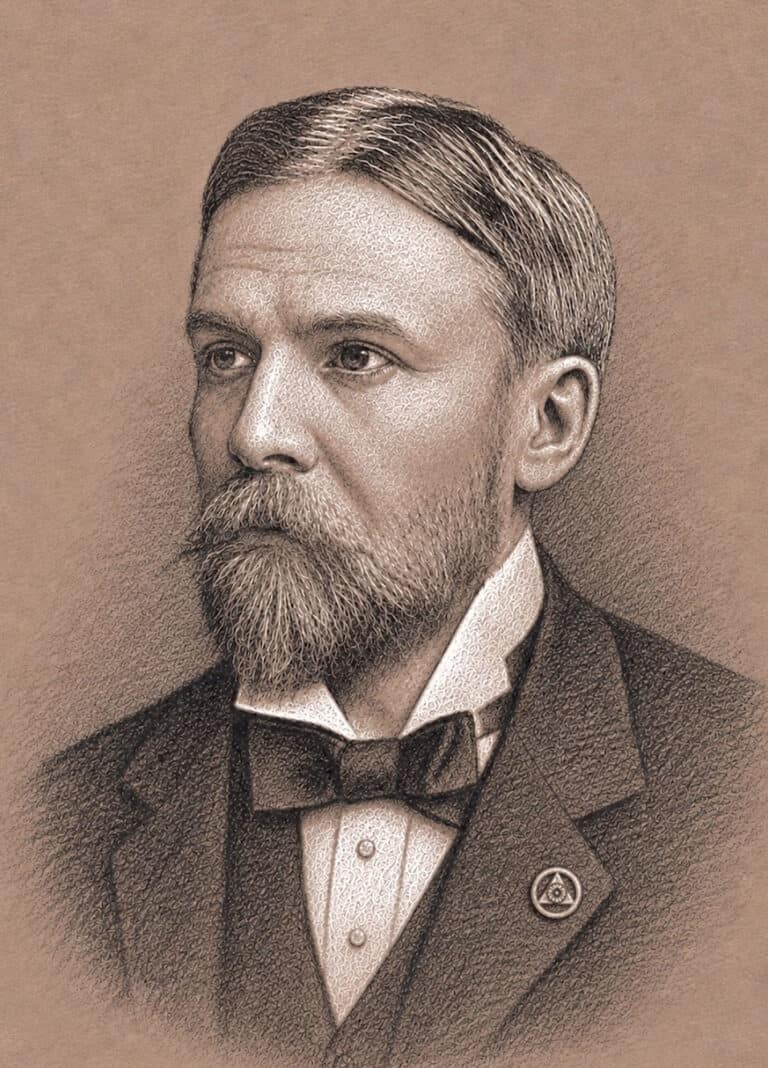
Beginning in the early 1890s, Parkyn developed close relationships with early researchers of Eastern philosophy. Among the most influential was Dr. Mark Henry Lackersteen, a physician who had spent much of his life in India and introduced Parkyn to accounts of yogic psychology, telepathy, and the possibility that ancient Eastern traditions had discovered natural laws of the mind long before Western psychology. Additional influences came through J. C. F. Grumbine, whose connections with Swami Vivekananda, the Vedanta movement, and Annie Besant of the Theosophical Society exposed Parkyn to Hindu philosophy through both Eastern and Western interpreters.
Parkyn’s growing interest in Eastern philosophy emerged during a period when many Western scholars were reexamining ancient religious traditions through the lens of psychology and science. The 1893 World’s Parliament of Religions in Chicago introduced thousands to the teachings of Swami Vivekananda and Vedanta philosophy, while organizations such as the Society for Psychical Research investigated whether telepathy, thought-transference, and related phenomena reflected undiscovered natural laws rather than supernatural powers. Parkyn viewed these developments as complementary to his own research. Instead of treating Eastern philosophy as mysticism, he explored whether the principles he had developed through Suggestive Therapeutics represented the same universal laws that Indian philosophers had described for centuries using a different vocabulary.
This article examines the people, events, and ideas that influenced Parkyn’s study of Eastern philosophy during the decade preceding the founding of the Yogi Publication Society.
Dr. Mark Henry Lackersteen
Among the earliest and most important figures in Parkyn’s study of Eastern philosophy was the British Dr. Mark Henry Lackersteen. Although little remembered today, Lackersteen was an influential figure at the intersection of Western medicine, India, psychical research, and the emerging scientific study of hypnotism. Through his association with Parkyn in Chicago during the 1890s, he introduced him to ideas and experiences that would deeply shape his understanding of Eastern philosophy and the hidden capacities of the human mind.
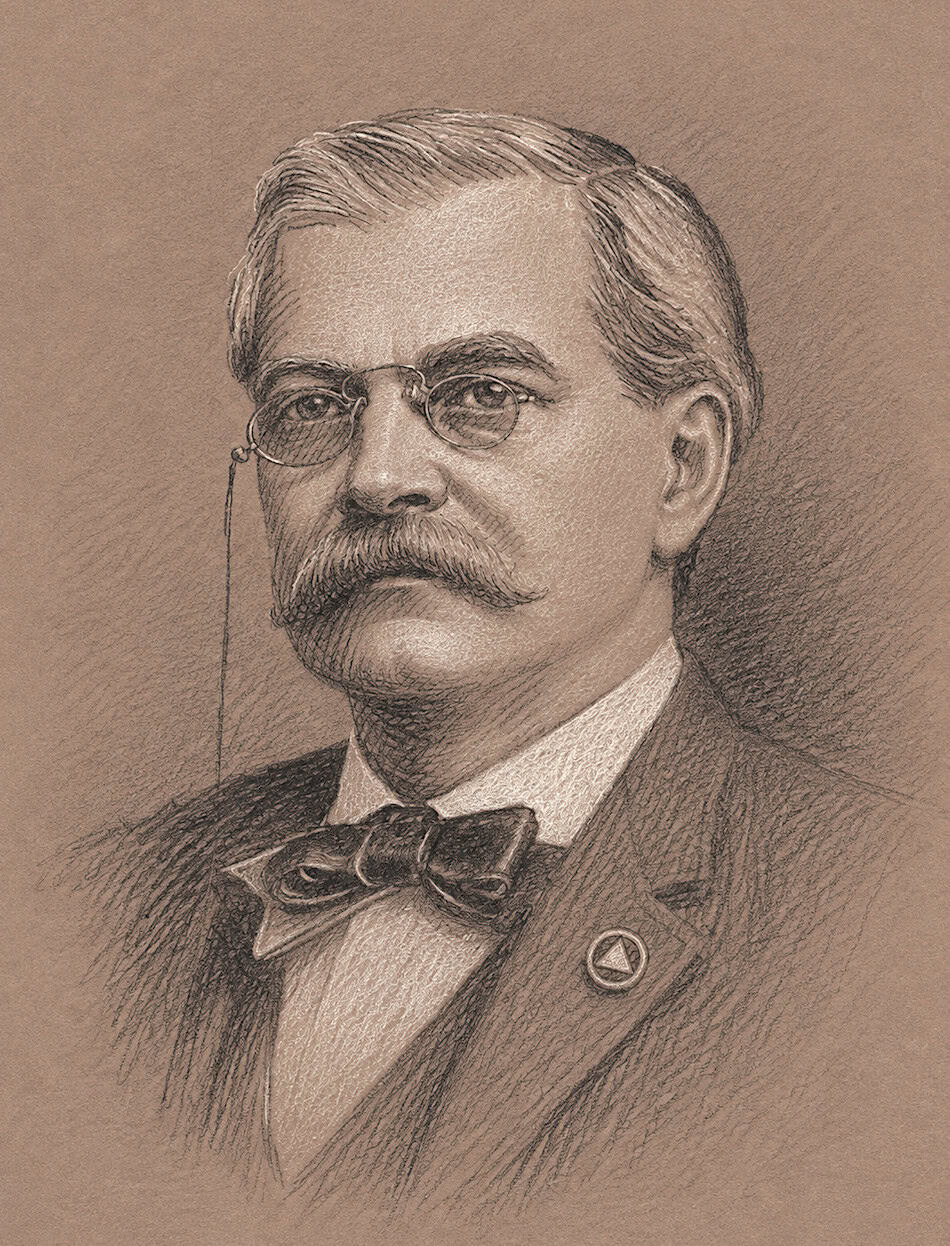
Lackersteen’s knowledge of India came through a lifetime of personal experience and academic study. He had grown up in Calcutta during the height of British rule, becoming familiar with Indian culture, religions, and philosophical systems from an early age. After entering the medical profession, he served as a Surgeon-Major in the British Army during the Indian Rebellion of 1857, commonly known as the Sepoy Mutiny. It was during this turbulent period that he encountered accounts that would influence the direction of his intellectual life.
Among the stories that captured Lackersteen’s attention were reports that yogis and holy men could communicate across great distances telepathically. According to these accounts, military plans and strategic information could be mentally transmitted between widely separated groups, allowing rebel forces to coordinate their movements with remarkable speed. Whether every account was accurate was less important to Lackersteen than the question they raised. Rather than dismissing such stories as superstition, he believed they deserved careful investigation. If these phenomena existed, they must operate according to natural laws that science had not yet fully explained.
His experiences in India triggered a lifelong interest in hypnotism, telepathy, and the relationship between Eastern philosophy and the powers of the human mind. After returning to England, Lackersteen became closely associated with the Society for Psychical Research in London, one of the world’s leading organizations devoted to the scientific investigation of telepathy, thought-transference, apparitions, automatic writing, and other unusual psychological phenomena. Rather than treating these subjects as matters of superstition or religion, the Society sought to determine whether they reflected genuine natural processes that could be studied by careful observation and experimentation.
By the 1890s, Lackersteen had settled in Chicago, where he became one of the city’s most respected physicians. It was there that he connected with Herbert A. Parkyn and developed a close professional relationship during the years in which Parkyn was establishing himself as one of America’s leading authorities on Suggestive Therapeutics. Lackersteen became an early supporter of the Chicago School of Psychology, helping Parkyn secure its location in the building immediately next door to his home. Their proximity allowed for frequent discussions on medicine, hypnotism, psychical research, and the philosophical traditions of India.
For Parkyn, Lackersteen offered something few people of the period could provide: firsthand knowledge of India combined with the training of a respected Western physician. He was not introducing Eastern philosophy as an exotic religion or mystical curiosity, but as a body of knowledge that had developed through centuries of observation of the human mind. The parallels between yogic psychology and Parkyn’s own investigations into Suggestion, concentration, and mental influence led him to look beyond customary Western medical thought and to explore whether both traditions described many of the same underlying psychological principles.
Lackersteen died in 1897, shortly after Parkyn began investigating many of the questions they had discussed. Following Lackersteen’s death, Parkyn created a special department in his Suggestion magazine, entitled “Occult World,” published under the Sanskrit pseudonym “Astra.” There, he wrote about the firsthand history that Lackersteen had shared with him and about yogic telepathy, psychical research, and the possibility that ancient Eastern traditions had preserved knowledge of natural mental laws long before they became subjects of Western scientific research.
The Astra articles represent one of Parkyn’s most important investigations into Eastern psychology and provide remarkable insight into the ideas that would later influence the intellectual environment surrounding the Yogi Publication Society.
Read more: Astra: Dr. Herbert A. Parkyn’s Investigation into Yogic Telepathy and Eastern Psychology..
The Parliament of the World’s Religions
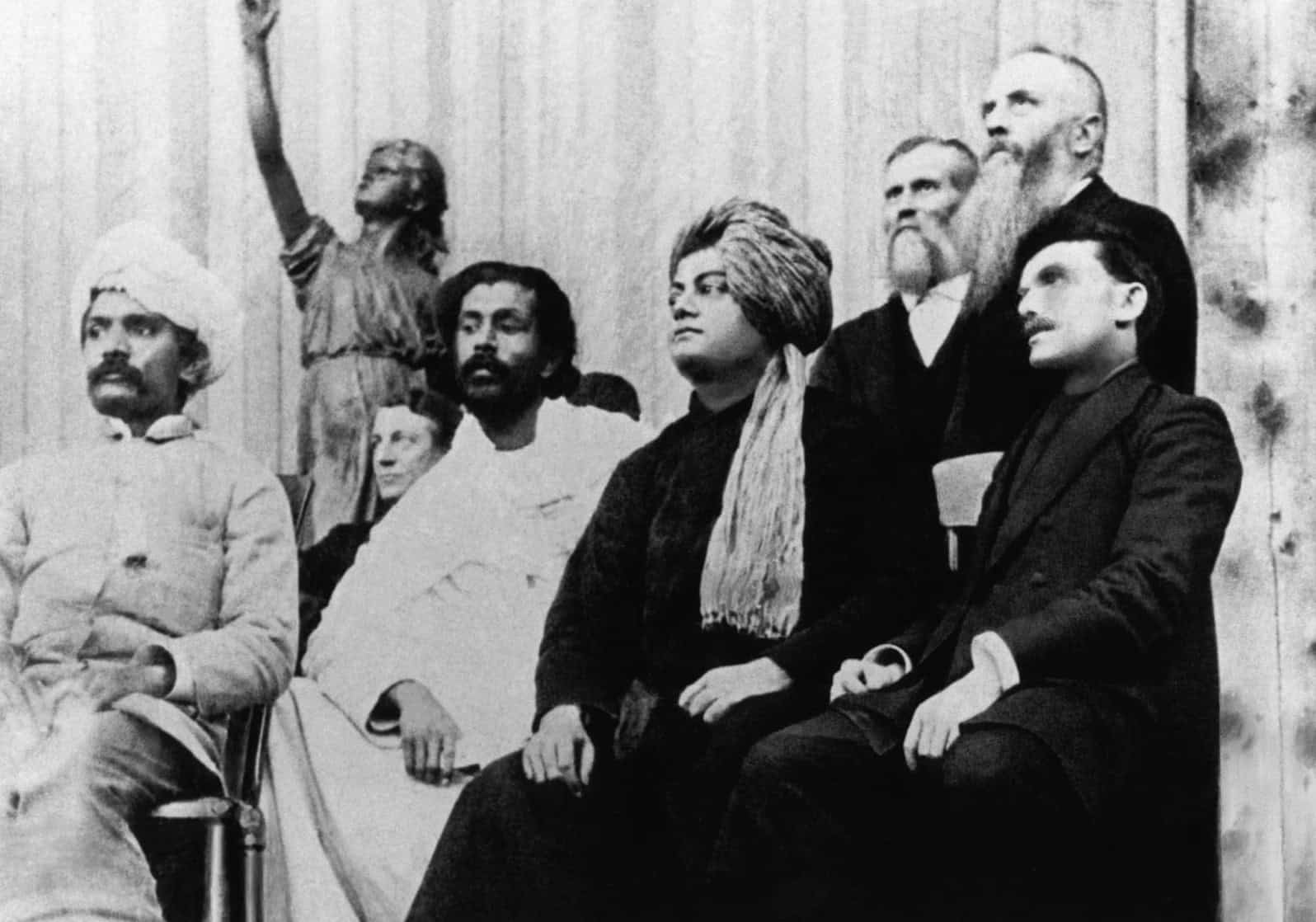
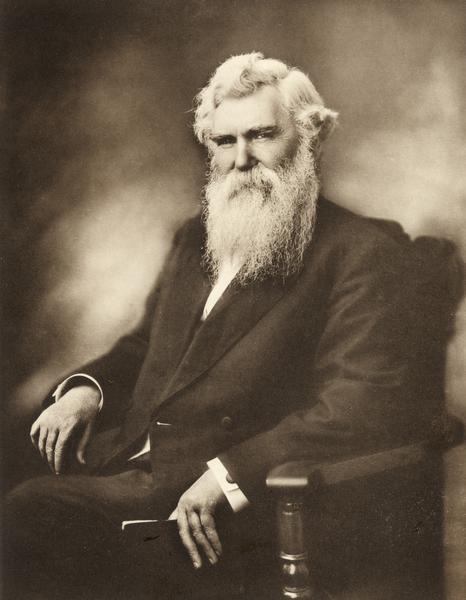
In 1893, Dr. Mark Henry Lackersteen worked alongside his longtime friend, Rev. Jenkin Lloyd Jones, to organize the Parliament of the World’s Religions, one of the defining events of the World’s Columbian Exposition in Chicago. Jones was also a supporter of Herbert A. Parkyn and the Chicago School of Psychology, placing two of the school’s early associates at the center of the most important gathering of Eastern religious thought held in America during the nineteenth century.
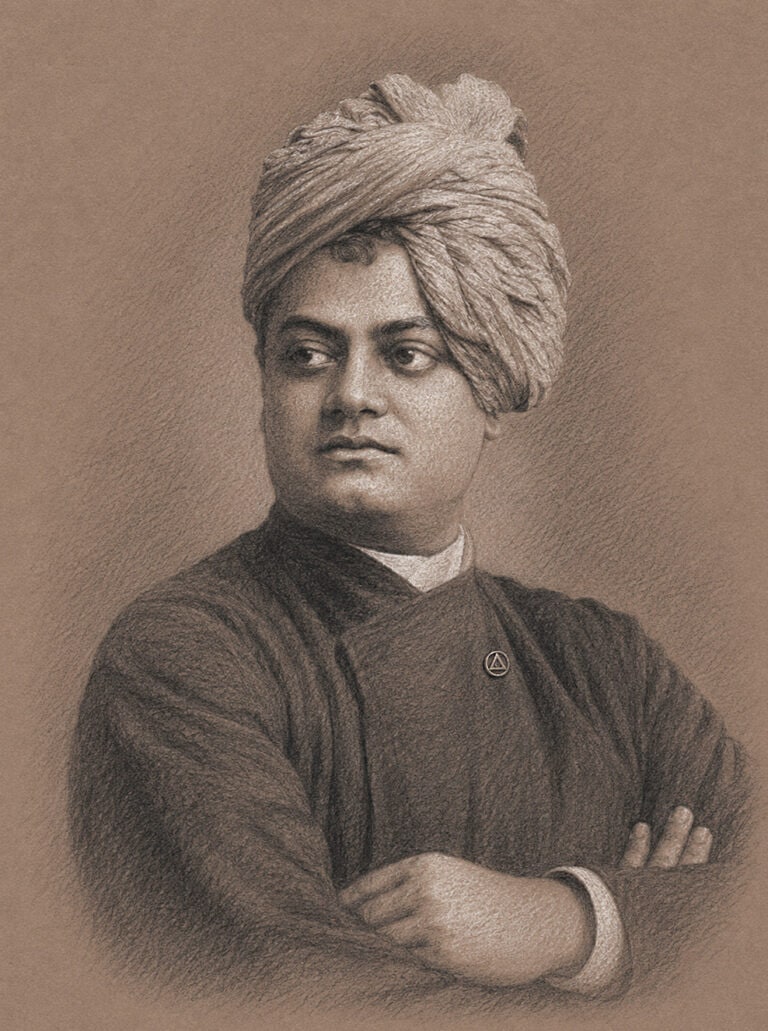
The Parliament brought together representatives of many of the world’s religious traditions, but no speaker attracted greater attention than the young Hindu monk Swami Vivekananda. His lectures on Vedanta philosophy, Raja Yoga, and the disciplined development of the mind became one of the Parliament’s permanent legacies and established him as one of its most celebrated figures.
Following the Parliament, Vivekananda remained active through his lectures, writings, and the establishment of Vedanta Societies, continuing to teach the philosophical principles that had first brought him international recognition in Chicago. His work focused on concentration, self-mastery, the disciplined training of the mind, and the realization of humanity’s higher potential—subjects that closely paralleled Parkyn’s own investigations into Suggestive Therapeutics and psychology.
Vivekananda’s unexpected death in 1902 left a noticeable absence in the public presentation of Vedanta philosophy. Only months later, the Yogi Publication Society was founded in Chicago and began publishing books and correspondence courses devoted to Yoga and Eastern philosophy. While the Society developed its own distinctive identity, it emerged within an intellectual environment in which Vivekananda’s lectures, Lackersteen’s experiences in India, and the Parliament of the World’s Religions had already established important connections between Eastern philosophy and Parkyn’s growing circle of physicians, educators, and psychical researchers.
J. C. F. Grumbine and the Connection to Vedanta and the Theosophical Society
As Parkyn’s interest in Eastern philosophy continued to grow, another important influence emerged through J. C. F. Grumbine, founder of the College of Psychical Science and Unfoldment. Parkyn served as Chair of Suggestive Therapeutics at the College, where he became part of a circle that was intensively exploring psychology, psychical research, comparative religion, and Eastern philosophy.
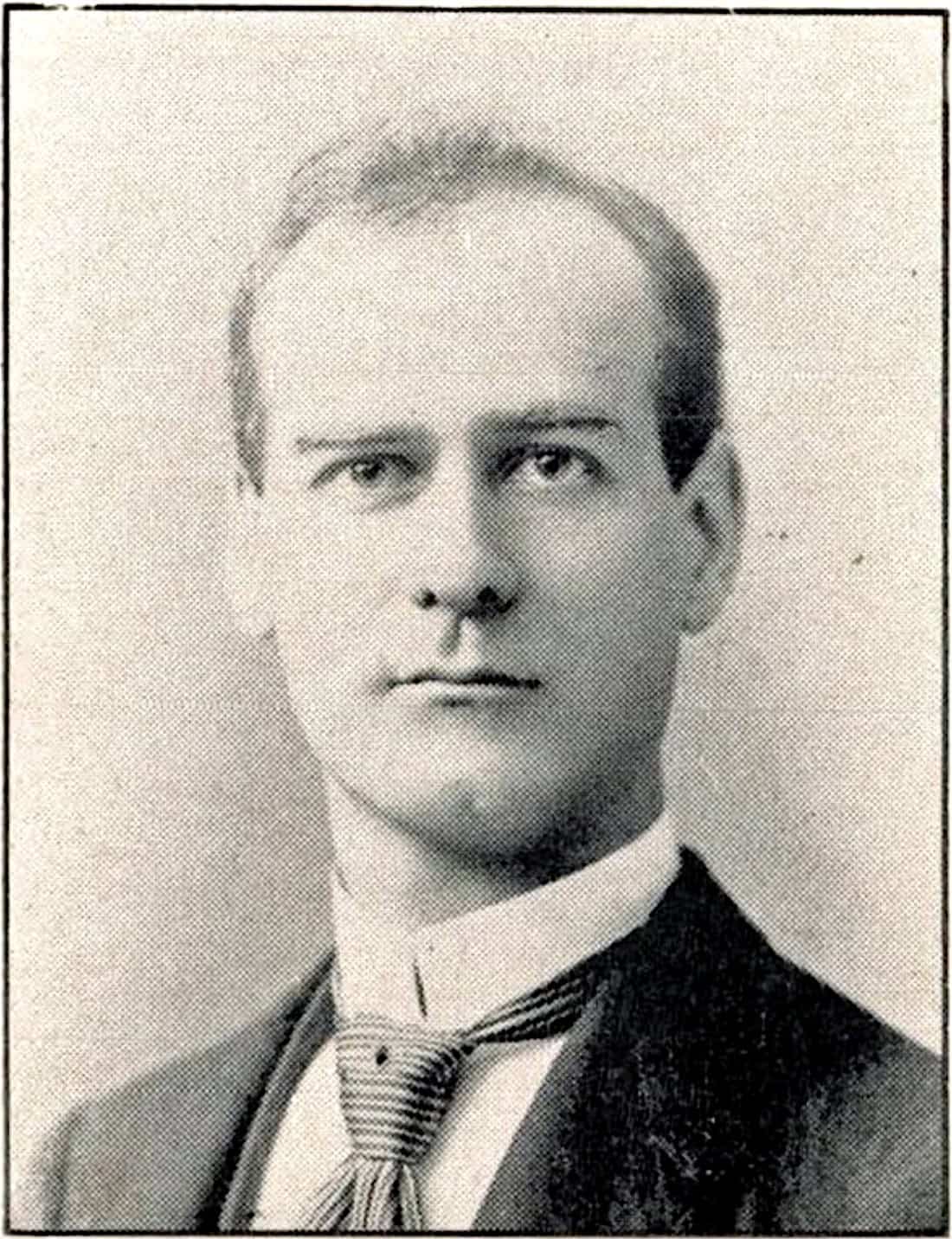
Grumbine had developed a relationship with Swami Vivekananda and others connected with the Vedanta movement in Madras, India. He was also an associate of Annie Besant, one of the leading figures of the Theosophical Society and the most influential interpreter of Eastern philosophy in the English-speaking world at the time. Through these relationships, Grumbine was in regular contact with the people who were introducing Vedanta and Theosophy to Western audiences at the turn of the twentieth century.
Grumbine’s magazine, Immortality, regularly featured articles by both Swami Vivekananda and Annie Besant, as well as discussions of psychology, hypnotism, psychic phenomena, and spiritual development. For Parkyn, it put him in direct contact with a network in which Vedanta, Theosophy, psychology, and psychical research were discussed together by many of the people helping shape those conversations.
Grumbine had also founded the Order of the White Rose, a Rosicrucian organization devoted to the study of Hermetic philosophy. Parkyn’s membership in the Order and its teachings would also later influence the Yogi Publication Society’s move towards hermeticism.
Read more: The Order of the White Rose
Conclusion

By the time the Yogi Publication Society was founded in the spring of 1903, Herbert A. Parkyn had already spent years studying Eastern philosophy and comparing its teachings with the Law of Suggestion. His interest had grown through personal relationships with people who brought firsthand experience, scholarship, and international connections into his circle. Dr. Mark Henry Lackersteen shared his knowledge of India and psychical research. The Parliament of the World’s Religions brought Swami Vivekananda and Vedanta philosophy to Chicago. J. C. F. Grumbine introduced Parkyn to a network that not only included Vivekananda but also Annie Besant and the Theosophical movement. These influences gave Parkyn direct access to many of the leading voices shaping Western interest in Eastern philosophy at the turn of the twentieth century.
This background also helps explain why the Society’s earliest publications covered subjects such as Yoga, Vedanta, concentration, mental discipline, and the development of human potential with such confidence. They were not isolated experiments or passing interests. They grew out of years of reading, discussion, research, and personal relationships, which had gradually shaped Parkyn’s understanding of Eastern philosophy and its connection to psychology.