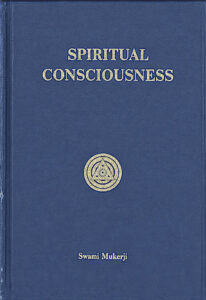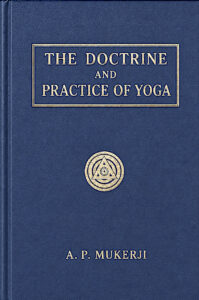
Swami A. P. Mukerji is the name under which a series of influential books on classical yoga, meditation, concentration, and spiritual development was published during the early twentieth century. Presented as a yogi of the Holy Order of Krishna and a member of the South India Order, Mukerji introduced Western readers to the traditional philosophical and psychological disciplines of yoga through works that emphasized meditation, self-mastery, character development, and the realization of higher consciousness. Unlike many later interpretations of yoga that centered on physical exercise, the Mukerji books focused almost entirely on the cultivation of the mind and the inner life.
Philosophy
The teachings attributed to Swami A. P. Mukerji present yoga as a complete science of mental and spiritual development. Drawing upon the philosophical foundations of Vedanta and classical Raja Yoga, the books argue that the primary obstacles to human progress are ignorance, uncontrolled thought, and attachment to the material world.
Central to the system is the discipline of mind control, achieved through concentration, meditation, self-observation, and the conscious development of Will-Force. Mukerji taught that mastery of the will leads naturally to mastery of the emotions, the body, and ultimately one’s spiritual destiny. Like the earlier Yogi Publication Society authors, he interpreted traditional yogic concepts through the language of modern psychology, mental science, and Western esotericism, making classical Hindu philosophy more accessible to Western readers.
The writings also explore traditional Hindu concepts including Maya (the illusory nature of material existence), karma, reincarnation, the importance of the Guru, and the gradual awakening of spiritual consciousness through disciplined practice.
Character Development
A recurring theme throughout Mukerji’s writings is that genuine spiritual progress cannot be separated from moral development. Meditation, prayer, ethical living, visualization, and devotional practices are presented as practical methods for cultivating self-control, compassion, integrity, and inner strength.
Rather than treating yoga as merely a philosophical system, Mukerji presents it as a disciplined way of life in which every thought, action, and habit contributes to the gradual refinement of character and the realization of the higher Self.
Principal Works
Among the best-known books published under the name Swami A. P. Mukerji are:
The Doctrine and Practice of Yoga (1922), presenting the philosophical foundations of yoga together with practical instruction in concentration, meditation, Will-Force, and self-discipline.
Yoga Lessons for Developing Spiritual Consciousness, a comprehensive course designed to guide students toward self-realization through the systematic development of spiritual awareness.
The Yogi Conception of Character Building, emphasizing the relationship between karma, ethical conduct, and the cultivation of a strong moral character.
The Yogi Role of Prayer, exploring the spiritual significance of prayer, meditation, chanting, visualization, and the harmonization of human consciousness with the Divine.
These works provide a practical course in classical yoga philosophy, emphasizing inner transformation rather than physical practice.
The Yogi Publication Society and the Latent Light Culture
Mukerji’s work also illustrates the close relationship between the Yogi Publication Society and the Latent Light Culture of India. By the time The Doctrine and Practice of Yoga was published by the Yogi Publication Society in 1922, the Latent Light Culture had served as the YPS’s official Indian representative for nearly two decades. Mukerji himself was associate editor of The Kalpaka, the organization’s journal, and an active member of the Holy Order of Krishna.
Readers familiar with the earlier writings of Yogi Ramacharaka immediately recognized numerous similarities in both language and subject matter. Like the Ramacharaka books, Mukerji emphasized Will-Force, concentration, meditation, and the interpretation of traditional yogic philosophy through the concepts of modern psychology and mental science.
Some later writers have suggested that Mukerji and other Latent Light Culture authors borrowed extensively from earlier Yogi Publication Society publications. However, such claims overlook the unusually close relationship that existed between the two organizations. Publications, teaching materials, and philosophical ideas were exchanged regularly between them, making it difficult in many cases to determine where one organization’s work ended and the other’s began. Rather than indicating unauthorized borrowing, the similarities more likely reflect a coordinated intellectual and publishing partnership dedicated to presenting Indian philosophy to Western audiences through a shared educational framework.
Influence
The books published under the name Swami A. P. Mukerji became important introductions to traditional yogic philosophy for English-speaking readers during the early twentieth century. At a time when yoga was still largely unknown in the West, they presented its philosophical foundations in a practical and accessible form, emphasizing concentration, meditation, Will-Force, and spiritual discipline rather than physical postures.