About This Publication
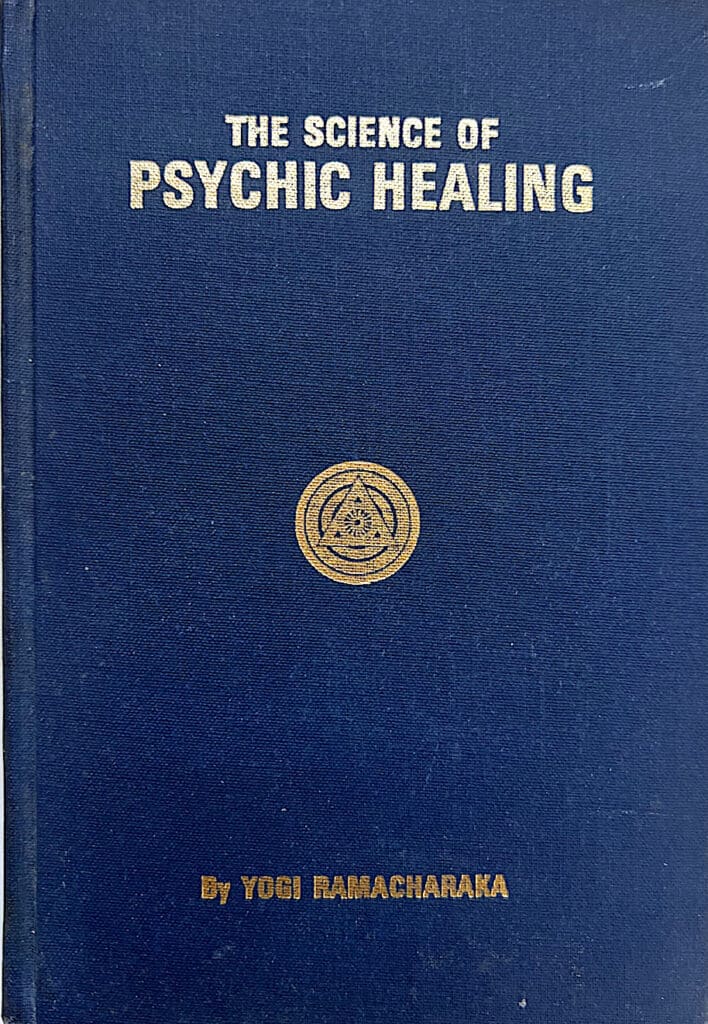
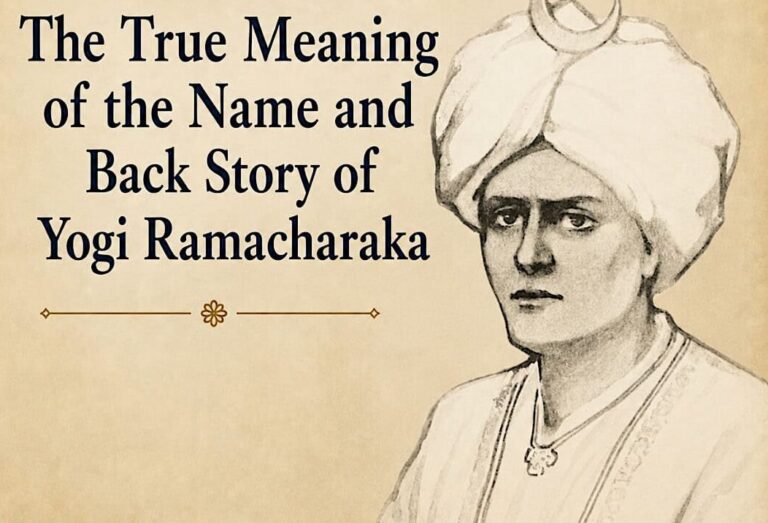
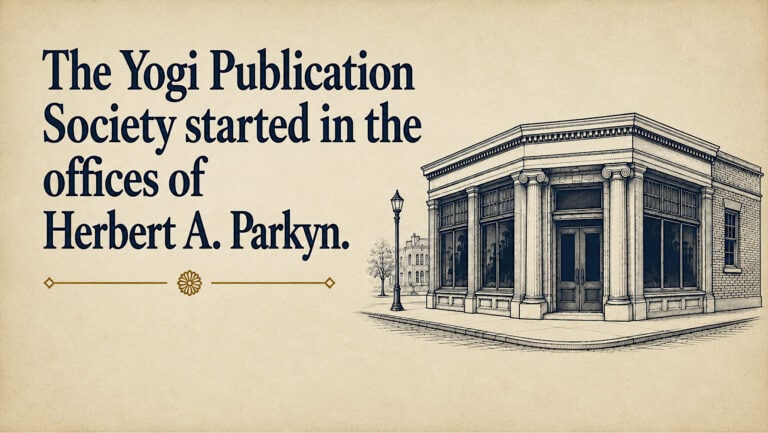
The Science of Psychic Healing by Yogi Ramacharaka, first published in 1906, offers a system of natural healing that blends yoga, mental science, and the Law of Suggestion. Although it uses Eastern philosophy, the book is based on the teachings of Dr. Herbert A. Parkyn and the Chicago School of Psychology, adapting Parkyn’s Suggestive Therapeutics to a yogic approach. Instead of seeing disease as only physical, the book suggests that health depends on the balance between body, mind, and vital life force. Ramacharaka believes the body has a natural ability to heal, which can be improved through focused thought, controlled breathing, and the use of psychic energy.
A key idea in the book is prana, the universal life force that gives life to all living things. Ramacharaka explains that this energy can be gathered through rhythmic breathing and sent to parts of the body that need healing. He says that good breathing habits, mental focus, and saving nervous energy are important for both physical health and psychic growth.
The book also highlights the healing power of suggestion. Ramacharaka believes that positive thoughts, spoken affirmations, and focused mental effort can change habits in the subconscious mind, replacing fear and illness with confidence and health. The healer’s job is not to use supernatural power, but to help the patient activate their own natural healing through positive thinking. These ideas are similar to Parkyn’s Suggestive Therapeutics, which also relies on suggestion, mental discipline, and guiding thoughts as the main parts of treatment.
At a deeper level, The Science of Psychic Healing looks at how the mind and body are connected. By using visualization, meditation, and focused thought, a person tries to bring their mind into harmony with the universal life force, so the body can heal itself more easily. Ramacharaka says that true healing comes from working with the laws of nature, not against them.
The Science of Psychic Healing is more than just a guide to healing methods. It offers a philosophy where physical health, mental discipline, and spiritual growth are all connected. In many ways, the book is a yogic version of Dr. Herbert A. Parkyn’s Suggestive Therapeutics from the Chicago School of Psychology, using the ideas of prana, yoga, and Eastern philosophy but keeping many of the same basic principles and methods.