
Person Research Collection
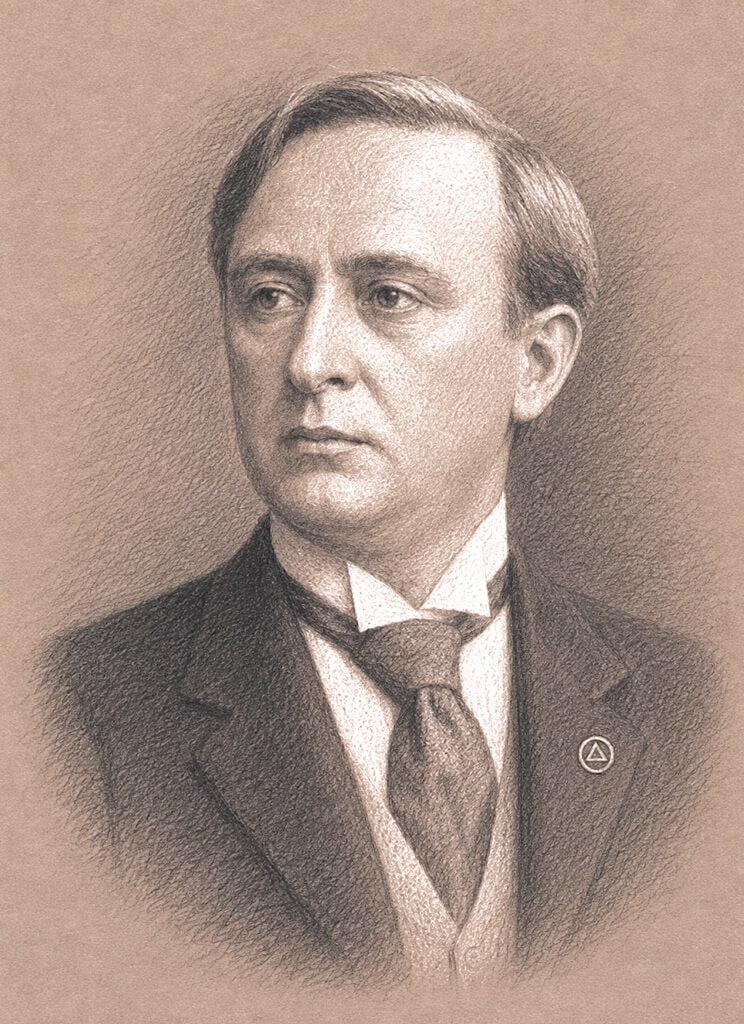
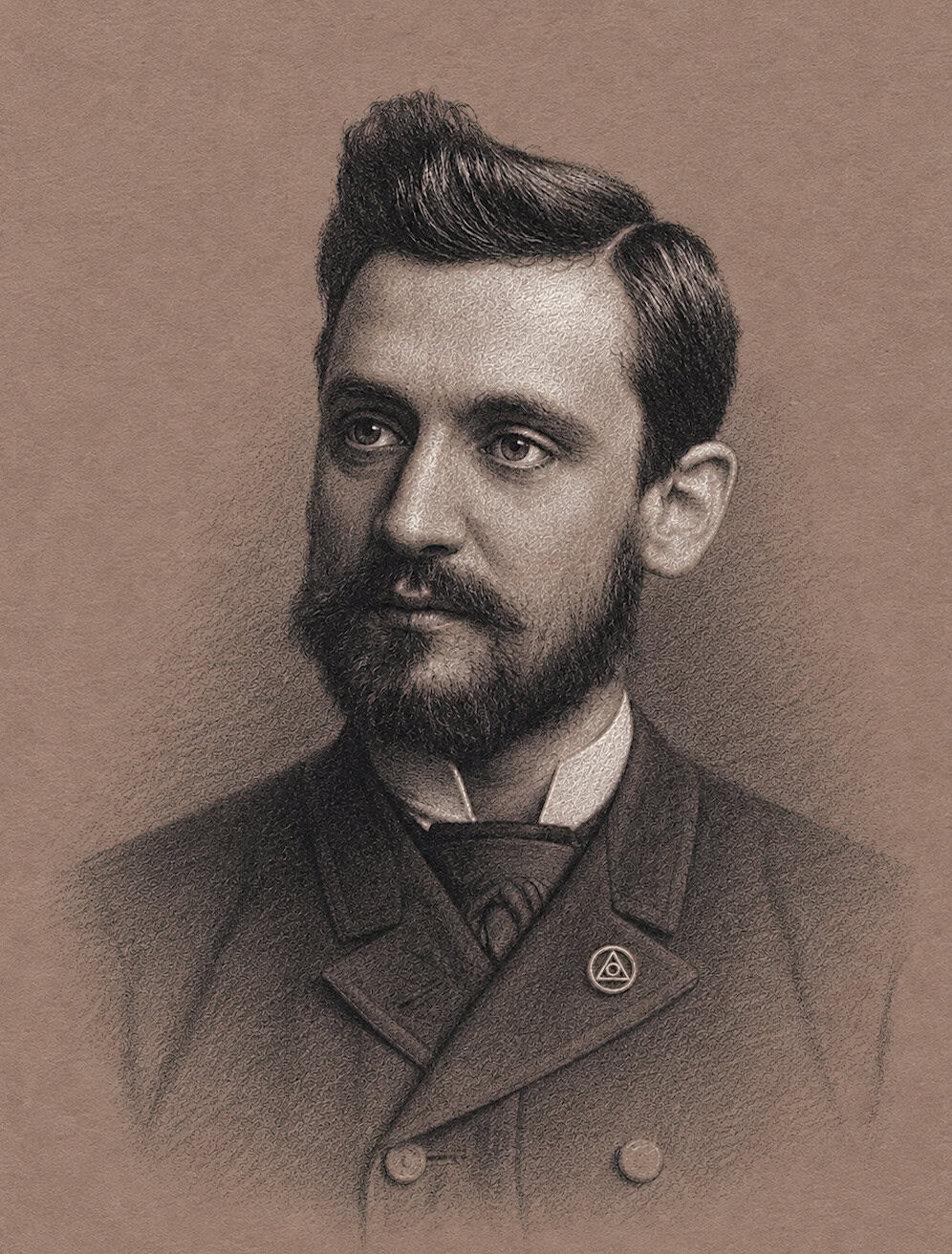
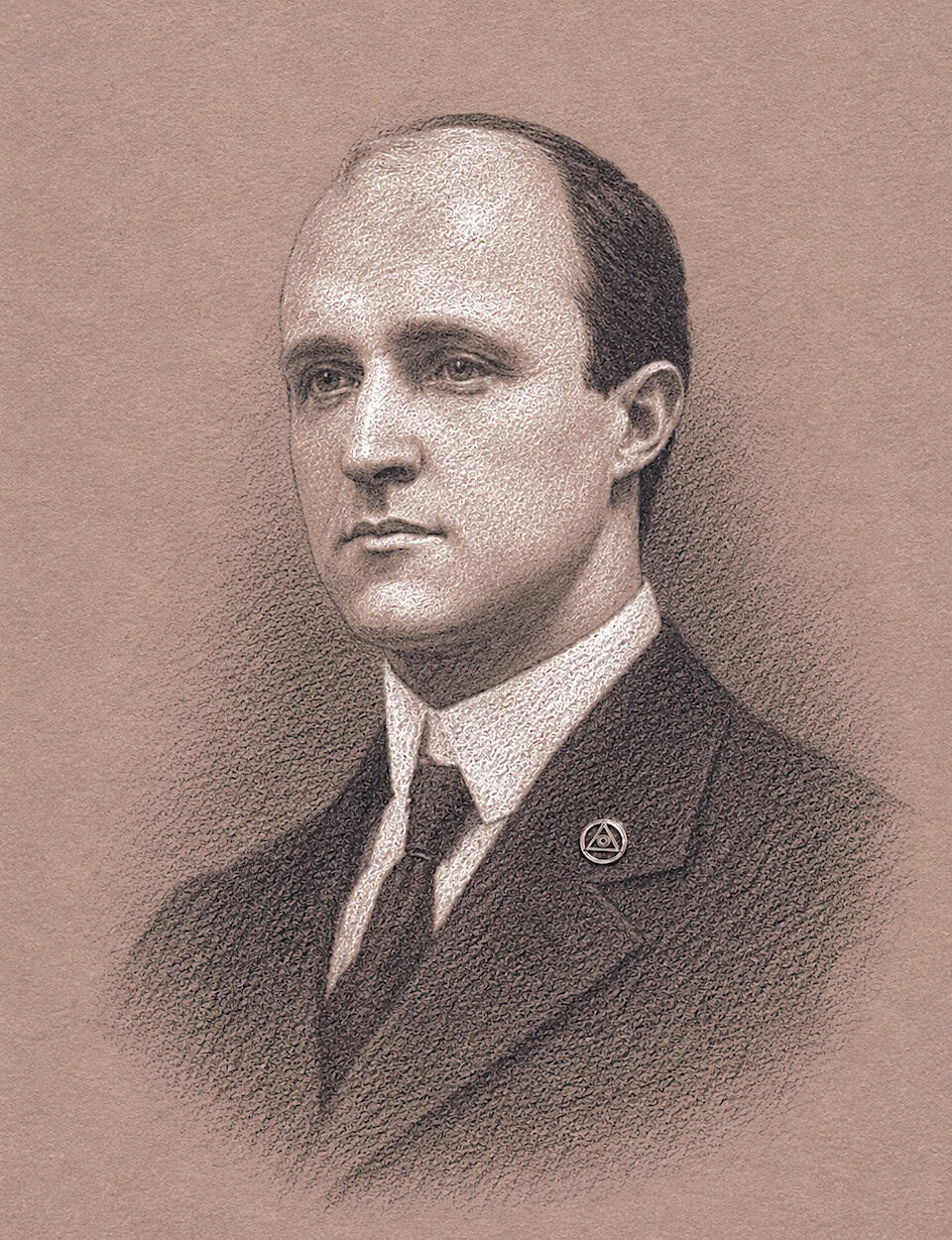
Arthur F. Sheldon
1867–1935
Sheldon was a pioneer of scientific salesmanship who worked with Dr. Herbert A. Parkyn to apply the Law of Suggestion to business, founded an international sales school, and developed Rotary International’s famous motto, “He Profits Most Who Serves Best.”
Copyright © 2026 D. Parkyn Jackson. Published by the Yogi Publication Society History Project. All rights reserved.
Arthur Frederick Sheldon was an American educator, publisher, business philosopher, and pioneer of scientific sales training whose work developed directly out of the psychological and mental-science movements of turn-of-the-century Chicago. He became best known as the founder of the Sheldon School of Scientific Salesmanship, creator of a correspondence system that eventually enrolled more than 250,000 students around the world, publisher of The Business Philosopher, and an important intellectual architect of Rotary International.
An important part of Sheldon’s career was his close association with Herbert A. Parkyn and the Chicago School of Psychology. Through their collaboration, the psychological principles of suggestion, suggestive therapeutics, mental discipline, auto-suggestion, habit formation, and the cultivation of the will were adapted to advertising, salesmanship, character building, and commercial success.His later Philosophy of Service carried this system into business ethics and helped produce the Rotary motto “He Profits Most Who Serves Best.”
Early Life and Education
Sheldon was born May 1, 1867, in Vernon Township, Shiawassee County, Michigan, the son of Seth Ellsworth Sheldon and Helen Mary Woodward Sheldon. He attended the local district schools and graduated from Vernon High School in 1885. After graduation he became a country schoolmaster and taught district school for two years.
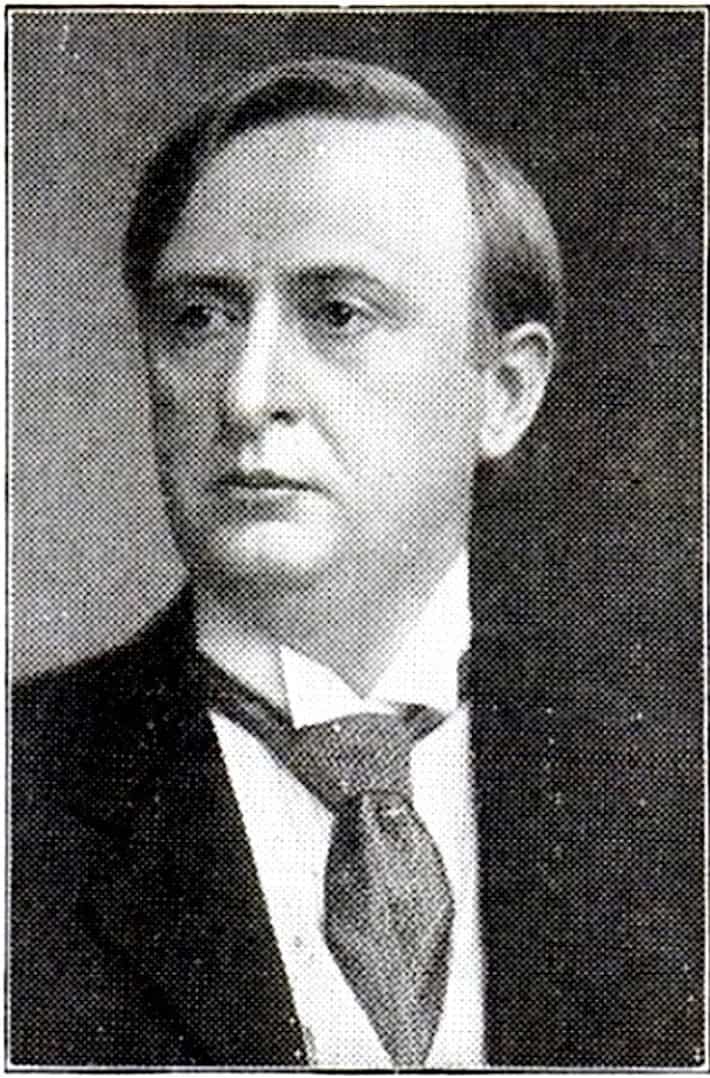
It was while teaching that Sheldon received his first introduction to professional selling. A traveling book agent visited his school, and Sheldon calculated that the salesman’s commissions amounted to approximately twice what he was earning as a teacher. When the local sales territory became available, Sheldon obtained similar employment. He was later sent west to Humboldt County, California, where he discovered that much of the territory had already been canvassed. Learning that the previous agent had been a woman, Sheldon reasoned that the more isolated rural districts probably had not been covered as thoroughly. During the rainy season, when roads were nearly impassable and most sales agents stayed in the towns, he traveled through the redwood lumber districts selling among farmers, dairymen, and lumbermen.
Sheldon was determined to obtain a university education, but his father declined to finance it, telling him that if he was worthy of a university education, he should be strong enough to carry out the plan himself. Sheldon owned a two-year-old colt that he had personally raised. He sold the animal for $200 and used the money to attend the State Normal School before enrolling at the University of Michigan to study law. He received his LL.B. in 1892 with high standing. While at Michigan, Sheldon became a charter member of the Kappa Sigma fraternity, was elected president of the Webster Society, and served as quiz master for junior and senior law students.
Entrance into Salesmanship
After graduating from the University of Michigan, Sheldon joined the Werner Company as a traveling salesman and sold educational books door to door. His products included the Encyclopedic Dictionary, Encyclopedia Americana, Waldorf Cook Book, Webster’s Dictionary, Encyclopædia Britannica, Library of the World’s Best Literature, and what became his bestseller, Happy Homes and the Hearts That Make Them. He worked difficult and isolated territories, including Wyoming ranch country. At one point he traveled by bicycle before trading the bicycle for a cow pony that allowed him to reach customers in remote areas.
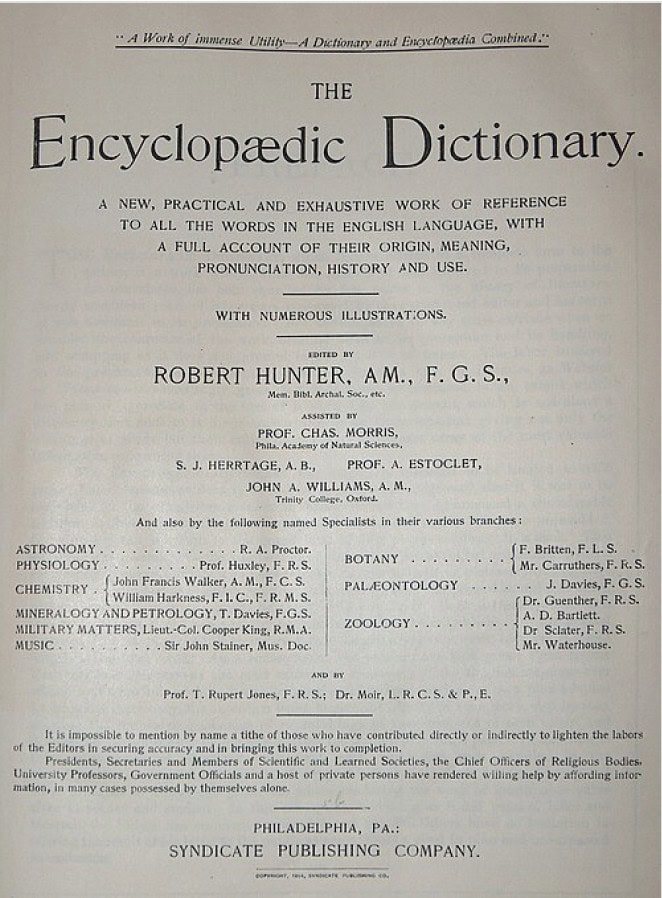
His success led the Syndicate Publishing Company to place him in charge of a branch office, where he trained and managed young book agents for field work. In 1896 he was promoted to general sales manager in Chicago, giving him supervision over company offices throughout the United States and Canada.
One of Sheldon’s closest associates and most successful field agents during this period was Frank H. Dukesmith. The two men directed several successful campaigns and promotions and shared a serious interest in what was beginning to be called “salesmanship.” They studied why some salesmen succeeded while others failed and became convinced that successful selling rested on identifiable principles that could be organized into a system and taught. Sheldon drew upon the theoretical psychology he had encountered during his university education and was also influenced by Blackstone’s systematic treatment of English common law. He rejected the old commercial principle of “let the buyer beware” and argued that profit had to be connected with service to the public. This search for a scientific psychology of selling brought Sheldon and Dukesmith into association with Dr. Herbert A. Parkyn and his Chicago School of Psychology.
Sales Management and the Chicago School of Salesmanship
For several years Parkyn had been developing ways to apply the Law of suggestion beyond medicine, including its application to advertising. Students at Parkyn’s Chicago School of Psychology were asking for systematic instruction in the commercial uses of these psychological principles. Parkyn regarded advertising and salesmanship as powerful suggestive forces capable of directing public thought for good or ill. He did not want to place commercial sales training directly within the curriculum of his medical school, however, because doing so could invite accusations that hypnotic methods were being used to manipulate buyers.
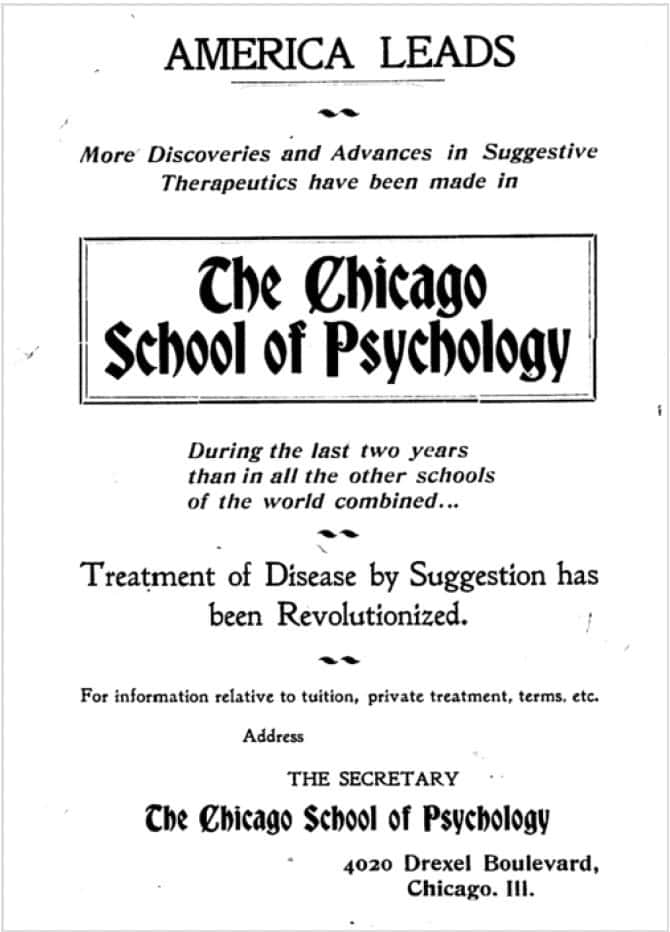
Herbert A. Parkyn
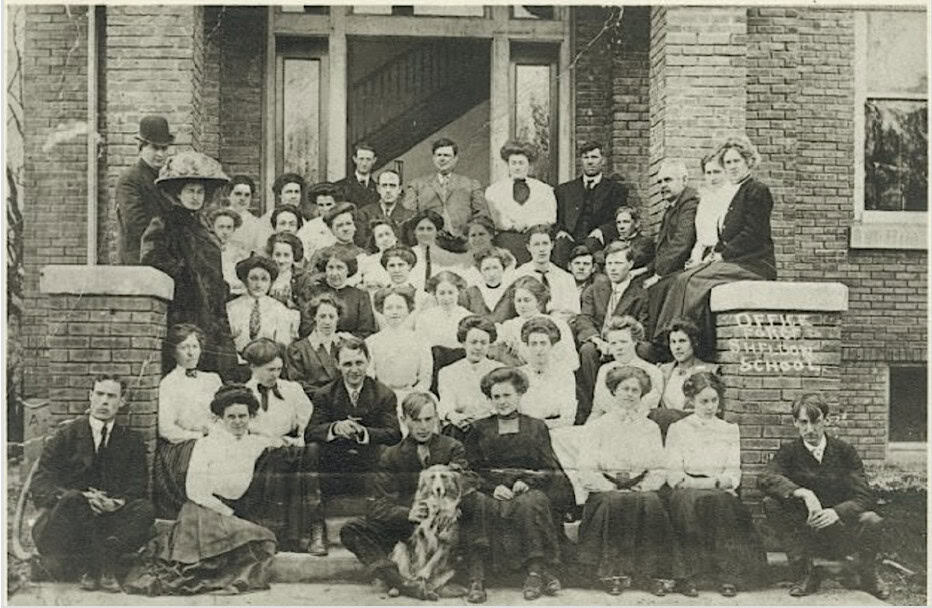
The alternative was a separate school built upon the principles of suggestion while seeking to raise the professional and ethical standards of salesmanship. In the spring of 1898, the Chicago School of Salesmanship opened at 269 Dearborn Street in Chicago’s Boylston Building. It was the first commercial school in America devoted specifically to teaching a science of salesmanship.
Frank H. Dukesmith prepared its course manual, The Philosophy of Salesmanship, drawing upon ideas he and Sheldon had been developing together and the science of suggestive psychology being taught at Parkyn’s school. W. J. Chatterton, a close associate of Parkyn who had helped establish affiliated branches of the Chicago School of Psychology in other cities, joined the faculty as an instructor in psychology.
This first Chicago School of Salesmanship existed for only about six months and had ceased operations by September 1898. Sheldon had worked in support of Dukesmith during the venture. Sheldon then received an opportunity from his uncle, Charles Cyril Post, to move to Sea Breeze, Florida, where Post and his wife Helen Wilmans Post had established a highly successful mental-science colony. Dukesmith, who had simultaneously been working for the Obenchain & Boyer fire extinguisher company, was bought out by Sheldon and Parkyn. Sheldon and Parkyn retained ownership of both the Chicago School of Salesmanship name and its course manual. The following month Dukesmith purchased a fifty-acre farm near his hometown in West Virginia for $3,750.
Helen Wilmans and the Sea Breeze Mental Science Colony
In 1898 Sheldon moved with his wife and child to Sea Breeze, Florida, where his uncle Charles Cyril Post and Helen Wilmans Post had created a mental-science colony.
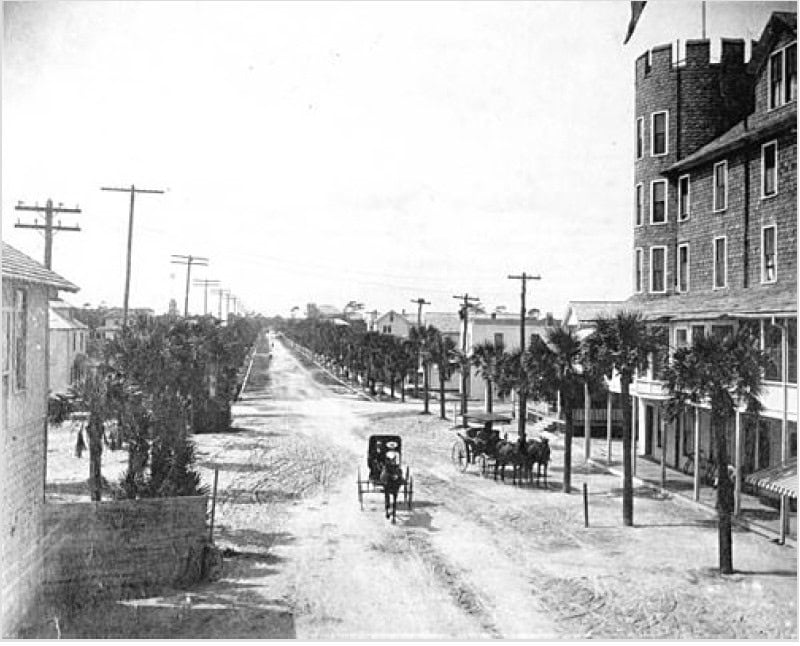
Helen Wilmans was a prominent New Thought author and advocate of mental science. She taught that mind was the governing force behind health, character, and material conditions. Through her magazine Freedom she also maintained a large practice in what was known as “absent treatment,” in which healing was attempted through directed mental concentration without the physical presence of the patient.
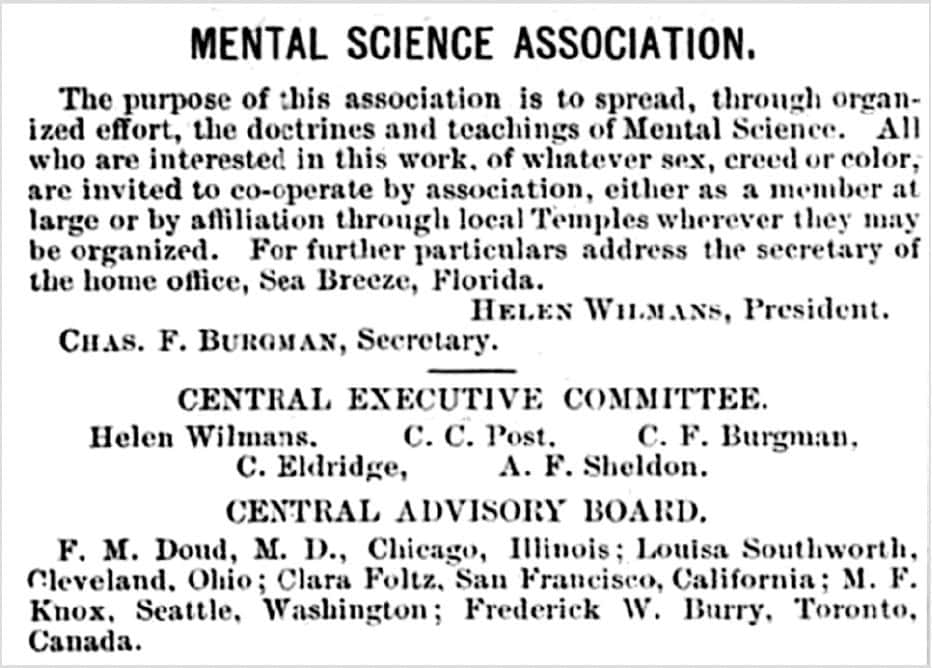
Charles Cyril Post, a former newspaper publisher and political figure, was Wilmans’s principal associate in the colony and helped manage its publications, finances, business operations, and organizational expansion. Their Mental Science Association was established to spread mental-science teachings through a coordinated national organization headquartered at Sea Breeze. The community served both as a residential colony and as the movement’s administrative center. Affiliated local “Temples” were organized in New York, San Francisco, Los Angeles, Seattle, Portland, Chicago, St. Paul, St. Louis, and Cleveland. In 1899 Sheldon established the Sheldon Publishing Company to distribute literature connected with the Mental Science Association.
Sheldon also served on the Central Executive Committee of the Mental Science Association with his aunt and uncle and other figures in the New Thought movement, including Frederick W. Burry, Charles F. Burgman, Eugene Del Mar, and Frank Newland Doud. Doud was himself a graduate of Parkyn’s Chicago School of Psychology. The Association held national gatherings designed to unite its membership and extend the movement. A major convention was held at Sea Breeze in 1900 and attracted representatives of affiliated branches and independent mental-science organizations, including Parkyn’s protégé, Sydney B. Flower.
Federal Postal Investigation and the Collapse of Sea Breeze
In 1901 the United States Post Office Department began investigating the Sea Breeze operation because of Helen Wilmans’s mail-based absent-treatment practice. Patients paid monthly fees and were instructed to concentrate mentally upon Wilmans at specified times while she directed healing thoughts toward them. Postal officials argued that the number of paying patients was too large for Wilmans to provide individual treatment to all of them, maintaining that there simply were not enough hours in the day for her to give each patient the attention represented.
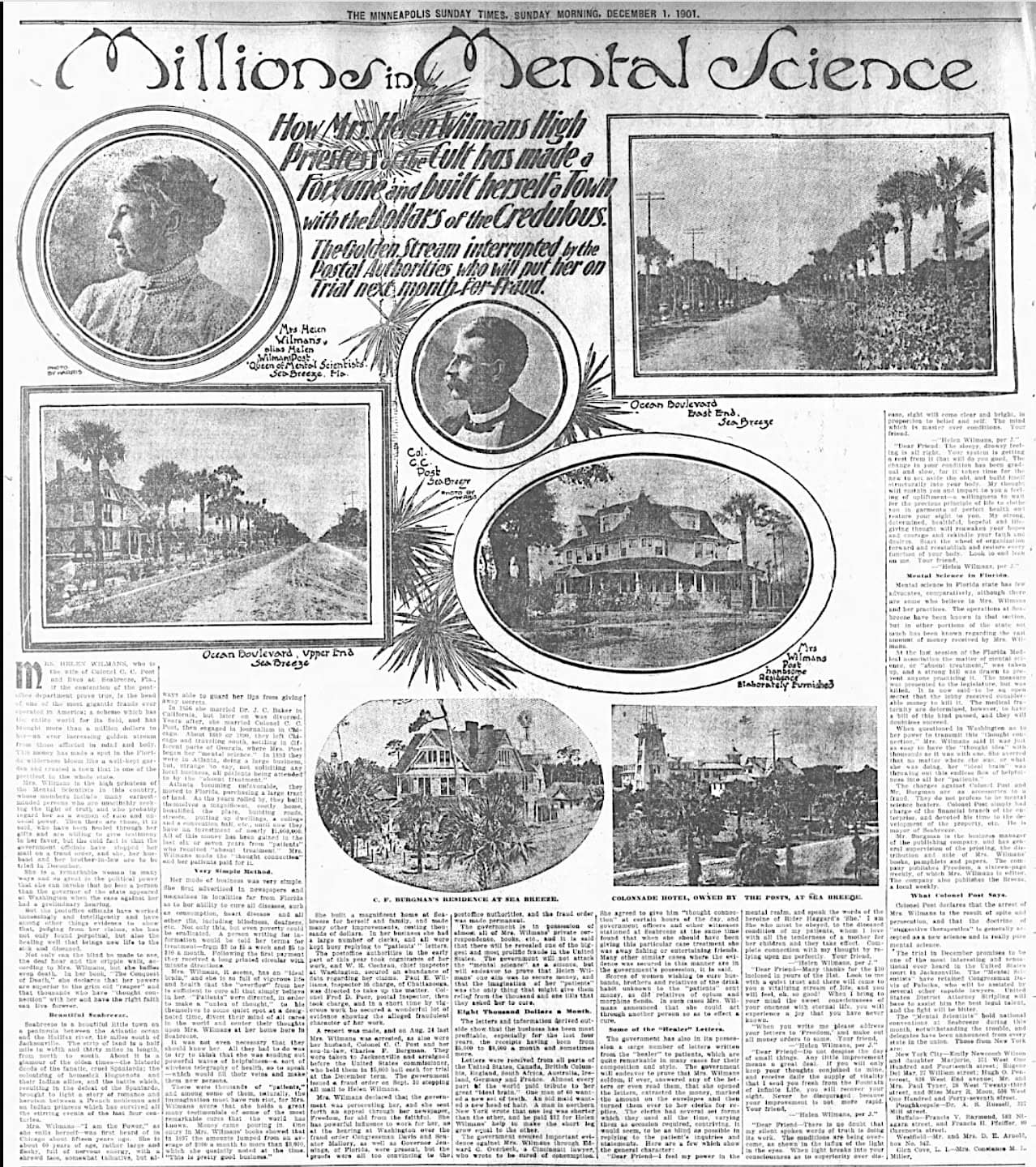
Following a formal hearing, the Post Office issued a fraud order against Wilmans in September 1901 and barred her from using the mails. Because the Sea Breeze community depended heavily upon mail subscriptions and remittances from absent-treatment patients, the order effectively dismantled the operation and ended the organized activities of the colony. Sheldon and his family left Sea Breeze and returned to Chicago, where he resumed his publishing career as a manager with A. C. McClurg & Co.
The Sheldon School of Scientific Salesmanship

In 1902 Sheldon reconnected with Herbert A. Parkyn and the Chicago School of Psychology to establish a new institution devoted specifically to scientific salesmanship. Sheldon was still working as a manager for A. C. McClurg & Co., so the venture began on a small scale. A room was sublet inside the McClurg building, clerical assistance was shared, and the first regular student enrolled on July 24, 1902.
The school’s early expansion depended heavily upon Sheldon himself. He traveled continuously, speaking before advertising clubs, business associations, and commercial gatherings throughout the United States. His lectures introduced audiences to scientific salesmanship while serving as a powerful means of attracting students to the school’s correspondence program. This combination of correspondence education, public lectures, and national travel became one of the defining characteristics of the Sheldon system.
By January 1903 the school had already expanded into additional offices in the building. Within a year almost 1,000 students had enrolled in its correspondence instruction, with new students arriving at a rate exceeding 100 per month.
The Science of Successful Salesmanship
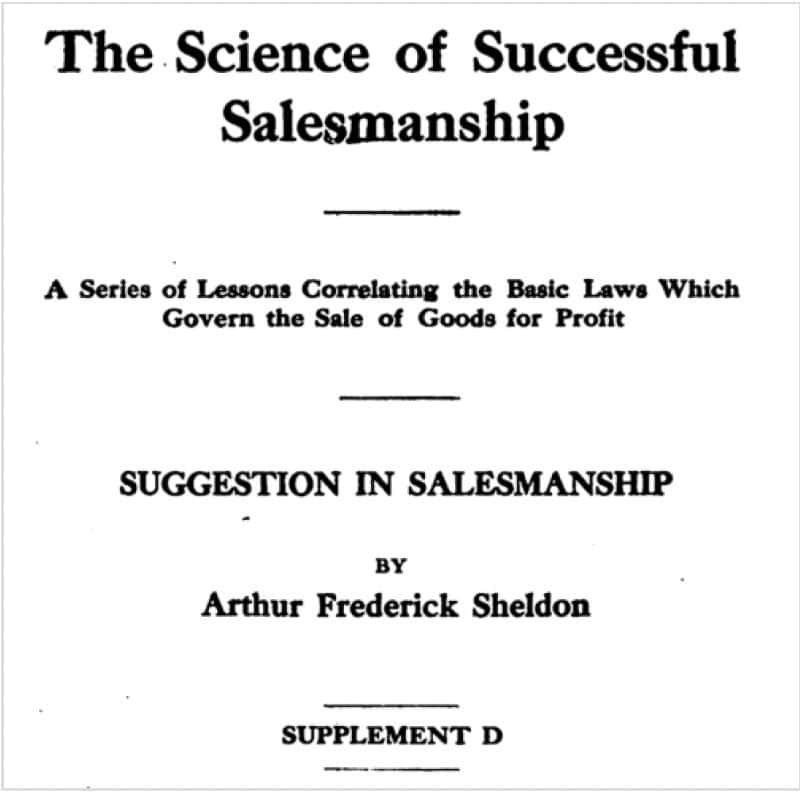
The school’s correspondence course, The Science of Successful Salesmanship, was organized around the systematic study of suggestion and the development of disciplined mental habits. Its curriculum included sections titled “Yourself and Your Powers,” “Character and Health Building,” “Mental Culture,” and “Psychology.” Suggestion was not a minor component. The course specifically stated that no diploma would be awarded unless the student successfully completed its “important section on Suggestion.”
Sheldon wrote several portions of the course himself, while other sections incorporated lectures from established businessmen. At the center of the psychological curriculum was an extended series called “Suggestion in Salesmanship.” This material closely followed the framework developed by Parkyn at the Chicago School of Psychology and drew upon teachings Parkyn had already presented through his books, his Special Mail Course in Hypnotism and Suggestive Therapeutics, and Suggestion magazine. The connection was explicit enough that the course’s review questions asked students, “What does Dr. Herbert Parkyn say concerning the cultivation of the Will?”
Application of the Law of Suggestion to Commerce
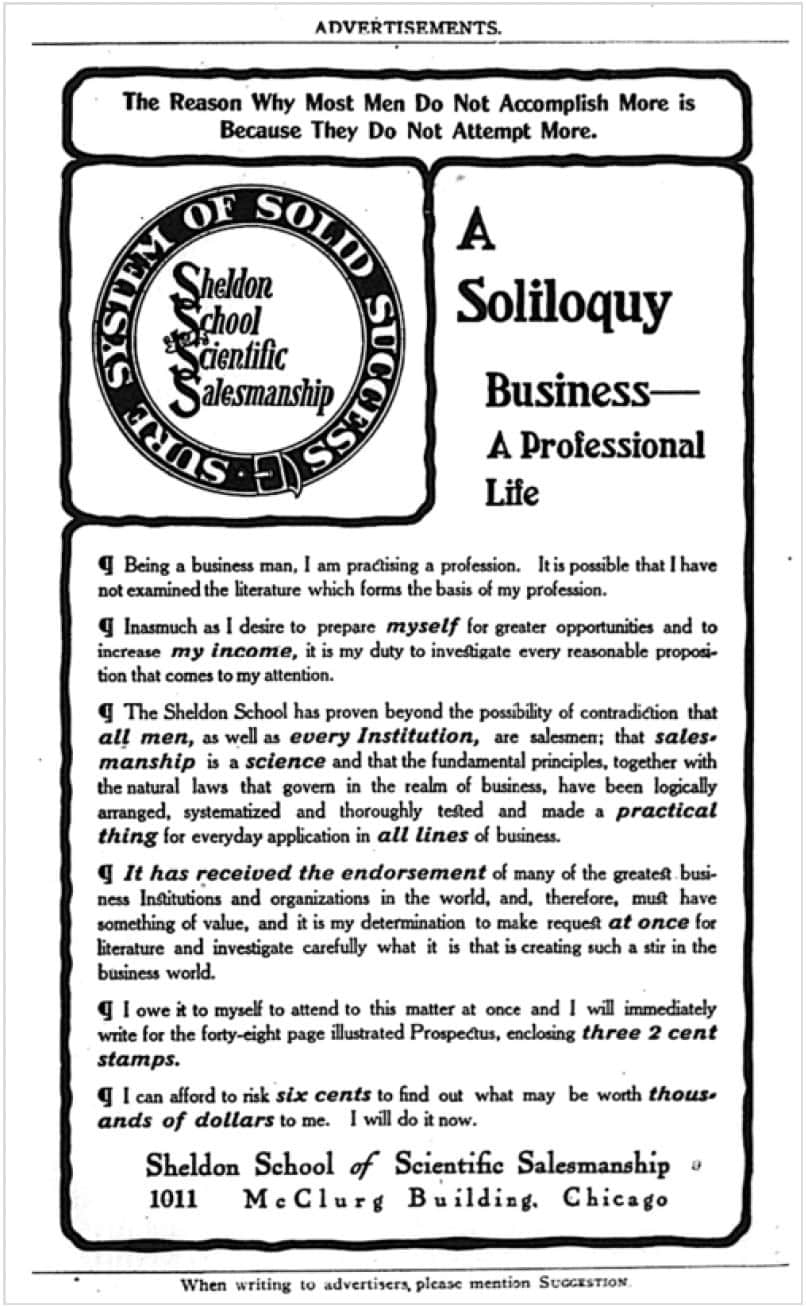
Sheldon’s Suggestion in Salesmanship was a direct adaptation of the psychological system developed and taught by Dr. Parkyn at the Chicago School of Psychology. The lessons followed Parkyn’s teachings on Suggestive Therapeutics, retaining the same terminology, psychological divisions, principles, and illustrations while applying them to advertising and commercial salesmanship. Sheldon reproduced Parkyn’s three laws of suggestion, including the distinction between the voluntary and involuntary minds. The voluntary mind was governed by reason and the senses, while the involuntary mind became receptive to suggestion as voluntary resistance was quieted. The third law held that repeated suggestion tended to crystallize into belief and action.
The correspondence between the two systems extended throughout the lessons. Sheldon repeated Parkyn’s teaching that suggestions given immediately before sleep were especially effective, that mental activity continued during rest, and that habits were formed through repeated thought. He also adopted Parkyn’s distinction between general suggestion, which influenced the whole personality, and specific suggestion, which addressed individual habits or conditions. Even the illustration used to explain the distinction was retained, comparing general suggestion to a tonic acting upon the entire system and specific suggestion to a remedy directed toward a particular condition. The use of the same terms, explanations, and analogies made the connection to Parkyn’s earlier instruction unmistakable.
Sheldon likewise followed Parkyn’s doctrine of mental causation, teaching that every action originates in thought. Buildings, machines, ships, and laws were presented as examples of things that first existed as mental conceptions before taking physical form. His definition of auto-suggestion also closely followed Parkyn’s, describing a suggestion arising within one’s own mind through thought or sensation, whether real or imagined. The principle that concentrated attention increased suggestibility was carried directly into the sales interview, where securing and holding the customer’s attention made the mind more receptive to suggestion. Throughout Suggestion in Salesmanship, the psychological terminology and methods remained those of Parkyn’s system, with their application extended from suggestive therapeutics and mental development to the science of selling.
The Sheldon School soon became nationally known as a leading institution for modern scientific salesmanship. Its combination of psychology and mental training was adopted by major corporations, and employment advertisements began using the phrase “a Sheldon School graduate preferred.” Sheldon continued traveling throughout the country, lecturing and building the school’s reputation.
Collaboration with Parkyn and Suggestion Magazine
Sheldon and Dr. Parkyn’s relationship continued long after the school was established. Parkyn used Suggestion magazine to promote the application of psychology to business and established a dedicated department called “Business Psychology.” It was edited by Professor P. J. Mahon, a Sheldon School faculty member. The department dealt with business applications of psychological methods and taught the use of auto-suggestion to develop confidence, concentration, optimism, and ethical character. The Sheldon School itself received extensive attention in Suggestion through articles and editorials that presented its methods as an extension of the larger Suggestion movement.
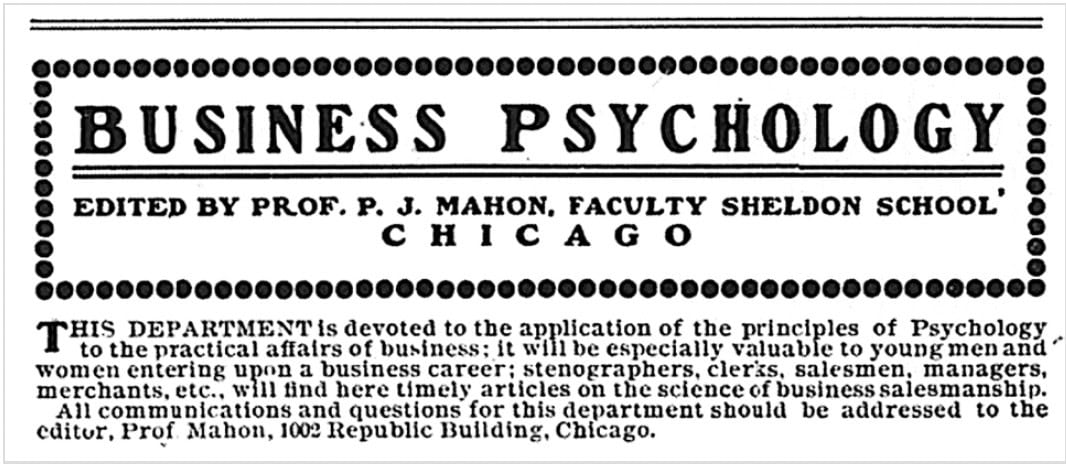
That relationship is important because Sheldon’s school was not simply borrowing the vocabulary of psychology. Its central psychological course was built around Parkyn’s system of suggestion, and the two institutions continued to promote one another after the school had become successful.
The Business Philosopher
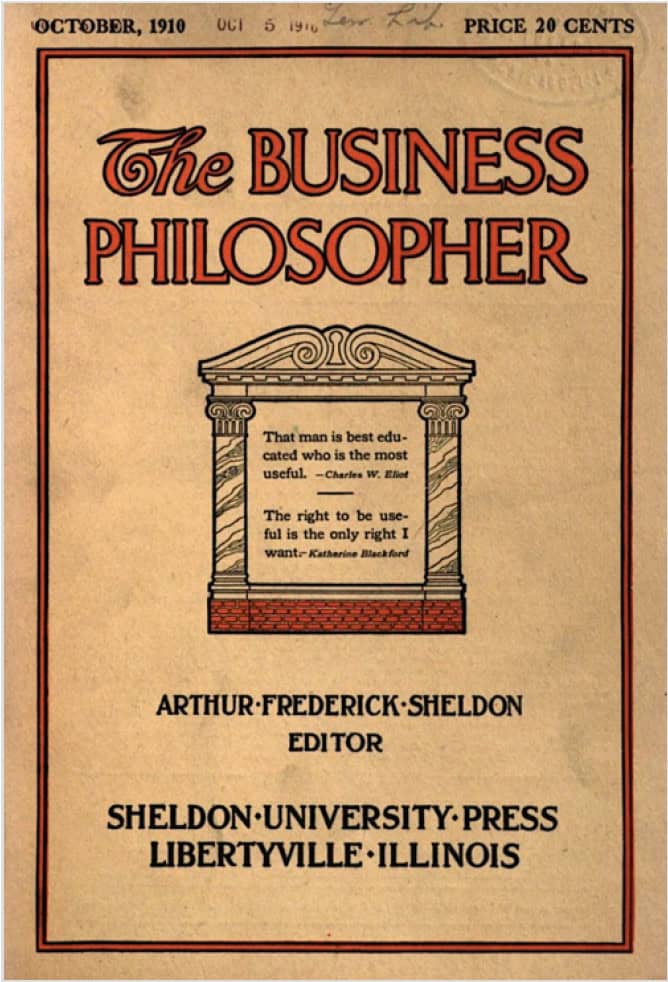
In 1904 Sheldon launched The Business Philosopher as the main publication for spreading his school’s “Science of Business.” Published by the Sheldon Publishing Company and subtitled a “Periodical of Power,” it sought to make Sheldon’s principles accessible to working businesspeople. Its program promised the power to earn, acquire, use, and enjoy through the application of natural and ethical laws to commerce.
The magazine combined mental development, psychology, and business instruction. Its articles addressed brain building, memory training, health, nutrition, character formation, salesmanship, retail and office methods, advertising strategy, persuasive business correspondence, organization, cost control, efficiency, the study of human nature in trade, and the elimination of waste. At the center stood Sheldon’s “Philosophy of Service,” which taught that lasting commercial success had to rest upon genuine service and not simple profit seeking.
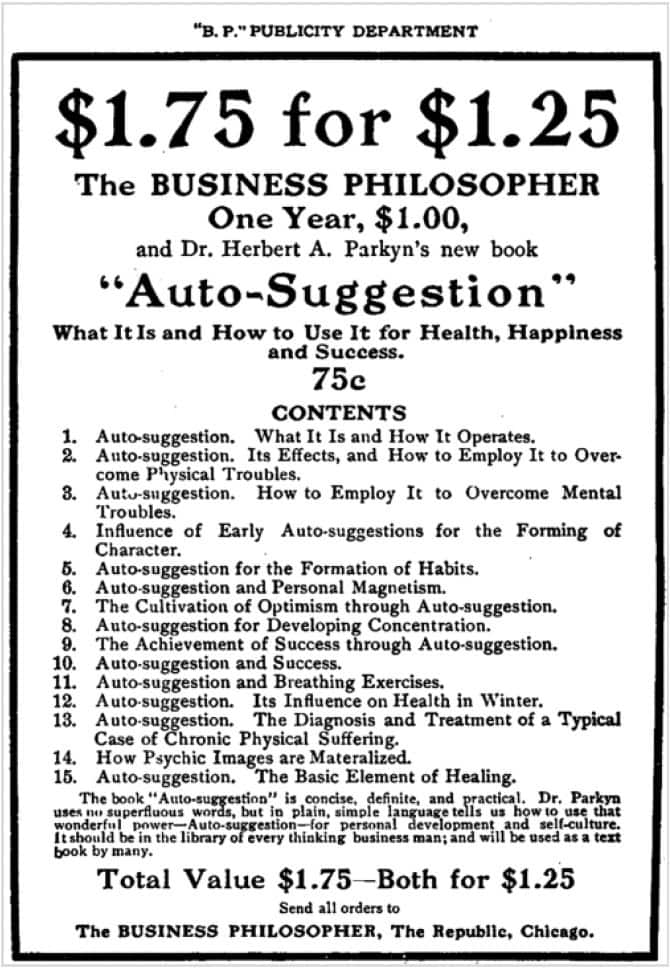
The Business Philosopher and Parkyn’s Suggestion openly cross-promoted one another. Each magazine advertised the other, and combined subscription offers were offered to readers. One promotion bundled a year of The Business Philosopher with Parkyn’s Auto-Suggestion at a reduced price and presented Parkyn’s book as a companion to the Sheldon School’s psychological and business instruction.
The shared language went deeper. Sheldon adopted slogans that Parkyn had already used repeatedly in his publications and national advertising. “Do it now,” “Thought takes form in action,” “I can and I will,” and “Thinker” appeared in Suggestion, Parkyn’s books, and his advertising before being incorporated into Sheldon’s editorials, lessons, and promotional material. …
The Science Press
The Science Press became the publishing arm of the Sheldon School. It was directed by Edward E. Beals and Stanley L. Krebs, who were both graduates of Parkyn’s Chicago School of Psychology. The press worked alongside the correspondence school and published The Business Philosopher as well as books concerned with mental discipline, character, service, and success.
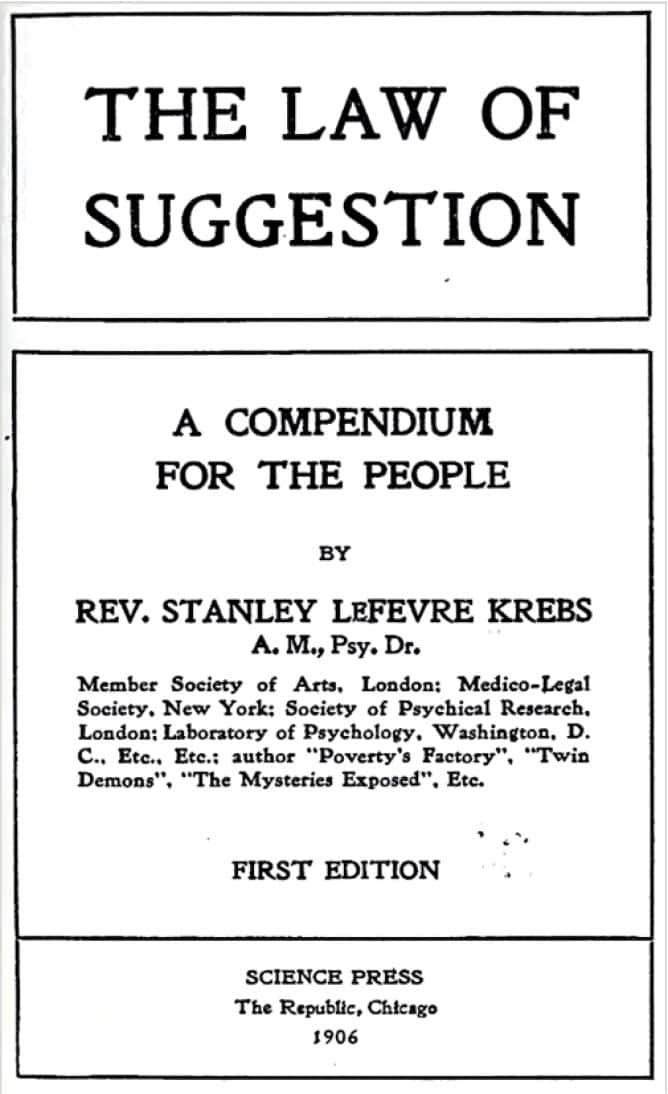
In 1905 the Science Press published Parkyn’s Auto-Suggestion and Stanley L. Krebs’s The Law of Suggestion, advertising the books as companion volumes. Krebs was both a graduate and an instructor at the Chicago School of Psychology. The press later issued James Allen’s As a Man Thinketh and advertised it prominently with Parkyn’s axiom that “thought tends to take form in action.”
The connections extended directly into the circle surrounding William Walker Atkinson and the Yogi Publication Society. Beals later wrote The Law of Financial Success, a popular work anonymously co-written with Atkinson, one of Parkyn’s closest collaborators and protégés. Beals later acquired publishing rights to Atkinson’s earlier works through Fiduciary Press and issued additional Atkinson titles through the Progress Company. In 1922 Beals and Atkinson collaborated again on the twelve-volume Power Book series.

London Branch and International Expansion
Sheldon took his system overseas in 1905 by opening a London branch in High Holborn. This office became the headquarters for the school’s European and colonial activities and offered the same correspondence curriculum while presenting scientific salesmanship as a universal system of business education. By 1910 the London operation had its own management and local editions of The Business Philosopher. Students enrolled throughout the United Kingdom, Australia, and South Africa. At the height of the school’s international success, Sheldon’s correspondence system had more than 250,000 students worldwide.
The Origin of the AIDA Model
The history of Sheldon’s system also intersects with the origins of the famous AIDA formula of Attention, Interest, Desire, and Action. During much of the twentieth century, AIDA was credited to E. St. Elmo Lewis. That attribution depended heavily upon a 1925 statement by Edward K. Strong Jr., who claimed Lewis had formulated much of the system in 1898 and later added the instruction to “get action.” No primary document from 1898 was cited to support that claim. Later textbooks and academic works repeated the attribution, but historical research has found no writing by Lewis from the late 1890s containing the AIDA sequence. Lewis’s known 1899 work discussed catching the reader’s eye, informing him, and making a customer of him, but documentary evidence for his use of the familiar sequence does not appear before 1908.
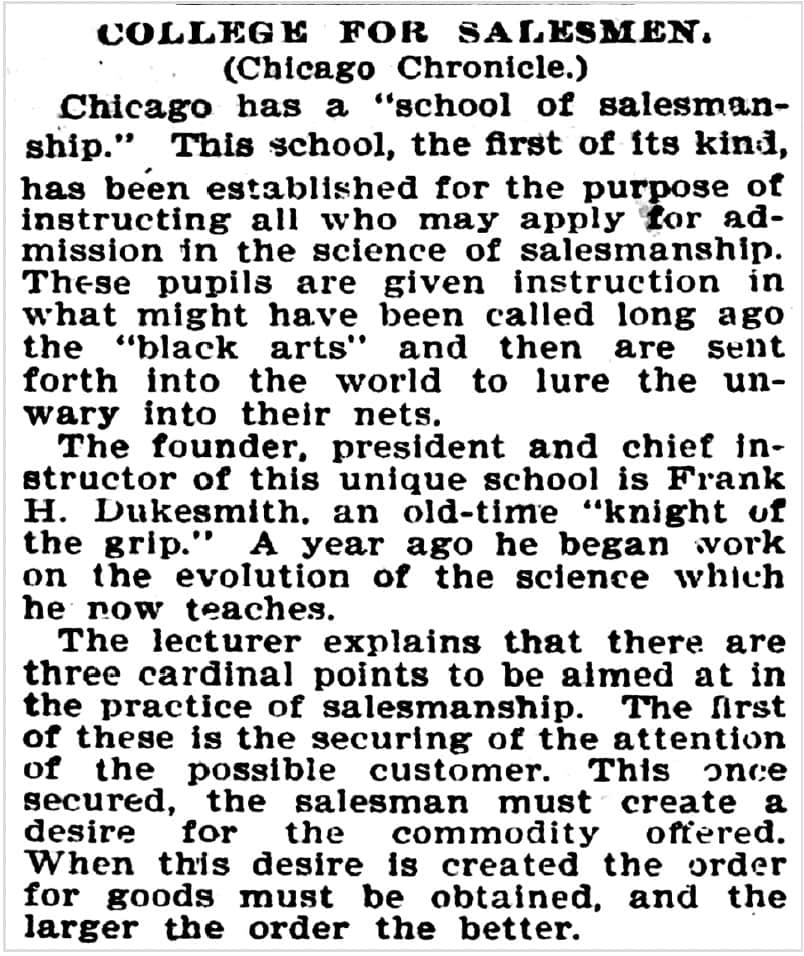
The surviving Chicago material places Sheldon and Dukesmith much earlier in the development of the sequence. When their Chicago School of Salesmanship opened in May 1898, the curriculum already described selling as a psychological process involving securing attention, creating desire, and obtaining the order. Newspaper coverage of the school’s opening described these elements as well. Since the course material had already been under development for at least a year, several elements of the structured sequence can be traced to 1897.
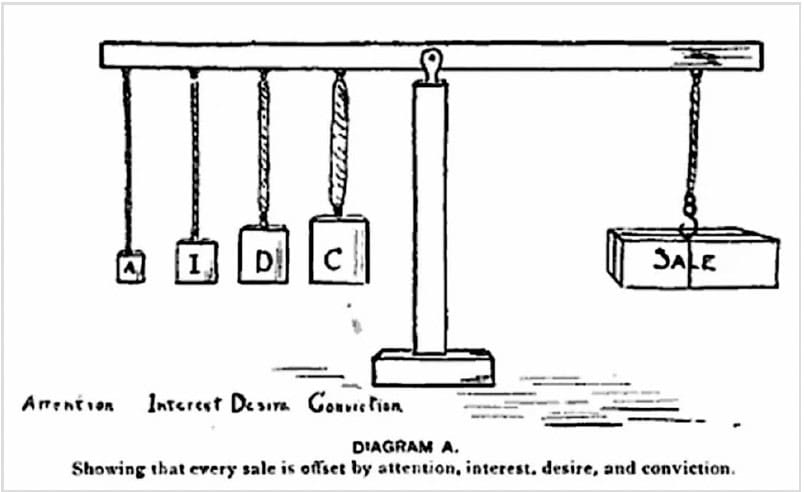
When Dukesmith left the school in late 1898, the framework did not disappear. The 1903 first edition of Sheldon’s The Science of Successful Salesmanship taught that “the mind of the customer must pass along a mental path of four steps: attention, interest, desire and resolve to buy.” Sheldon defined the Will as the faculty of “decision and action” and repeatedly stressed that a sale was not complete until action had been obtained. The text describes the movement from attention to interest, interest to desire, and desire to decision and action as a fixed psychological law of successful selling.
Dukesmith independently continued using the same framework. In 1903 he founded Salesmanship magazine in Meadville, Pennsylvania, to advance what he called the science of salesmanship. Its editorials repeatedly presented attention, interest, desire, and conviction as the normal mental progression through which a successful sale passed.
Salesmanship
1904
Expansion of the AIDA Principle
Sheldon later expanded the familiar four-part sequence into AIDAS by adding Satisfaction. He presented the formula in his 1911 book Successful Selling. The additional stage changed the objective from simply completing a transaction to establishing an enduring commercial relationship within Sheldon’s “Science of Business Building.”
In Sheldon’s explanation, the seller first secured favorable attention and placed the prospective buyer in a receptive condition. Attention developed into interest, often aided by demonstration or illustration. Interest developed into desire. Objections were then addressed until the buyer felt a genuine need for the product. Action occurred when the customer committed to the purchase. Sheldon insisted that the psychological process still was not complete. Satisfaction had to follow. The seller reassured the customer after the purchase and made certain the product fulfilled the expectations created during the sale.
The Business Philosopher treated satisfaction as the foundation of lasting success. A single transaction had little long-term value if it failed to create permanent satisfaction and repeat patronage. Sheldon described the salesperson as a counselor, not a manipulator, and treated profit as the product of genuine service.
The Sheldon School Relocates to Rockefeller, Illinois
In 1909 Sheldon moved the school out of rented Chicago offices and onto approximately 600 acres at Rockefeller, Illinois. His ambition was to create what he called a “Business University.” He acquired several parcels, including the old Norton homestead, and his arrival transformed the small community. Under Sheldon’s influence the town was renamed Area, Illinois. “AREA” represented four principles of his system: Ability, Reliability, Energy, and Action.
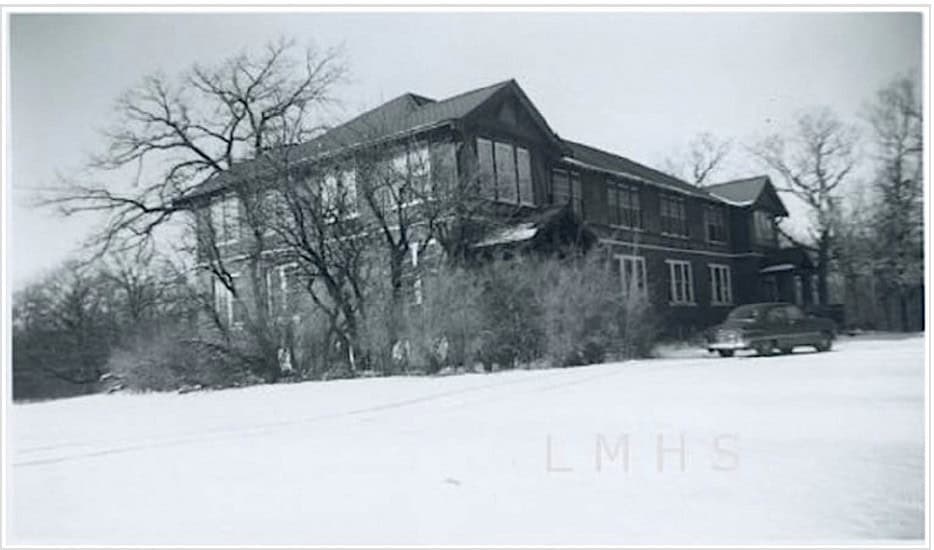
Sheldon invested heavily in the property. He spent $15,000 damming a boggy slough called Mud Lake and created a mile-long, spring-fed lake that became a centerpiece of the campus. The institution became an important local employer, eventually employing nearly 200 people in its offices and printing facilities. Modern brick buildings were erected for administrative work, shipping, printing presses, and production.
The campus was also intended to function as a community. Evening classes offered instruction in bookkeeping, shorthand, and other subjects, while the grounds provided canoeing, ice skating, seasonal gatherings, and other recreational activities. Sheldon lived on the property in a remodeled house and maintained close supervision of the institution.
Sheldon was also a real-estate developer. He envisioned Area as a “Model City” organized around his educational philosophy and subdivided portions of the 600-acre property into residential and commercial lots. He sold these to employees, faculty members, and other residents who wanted to become part of the Area community, earning substantial profits from the development.
Decline During World War I
World War I placed the institution under severe pressure. The correspondence school depended heavily upon young men in their twenties and thirties, and American entry into the war sharply reduced domestic enrollment. Problems had begun earlier. The outbreak of war in Europe in 1914 disrupted communication with Sheldon’s London branch and cut into foreign revenue.
The school was also a major printing and publishing operation, so wartime increases in paper, ink, and postage costs struck directly at its business model. At the same time Sheldon had to support a 600-acre campus, its buildings, employees, and printing facilities. Falling enrollment and declining income made these fixed expenses increasingly difficult to meet.
By 1918 the school had ceased functioning as a major educational institution. Financial pressure eventually forced Sheldon to liquidate the Area estate. In May 1921 he sold the property to George Mundelein, Catholic Archbishop of Chicago, for a reported $350,000 to $500,000. The Archdiocese converted the former Sheldon campus into the University of Saint Mary of the Lake, which became a major Catholic seminary. Sheldon returned his publishing and business activities to Highland Park. In 1925 the town of Area was renamed Mundelein in honor of the archbishop.
Rotary International and the Philosophy of Service
Sheldon joined the Rotary Club of Chicago in 1908, three years after the organization had been founded. Rotary at that point functioned largely as a professional fellowship designed to encourage acquaintance and business exchange among its members. Sheldon entered with a fully developed Philosophy of Service built from years of teaching that lasting commercial success came through ethical conduct and genuine service to other people.
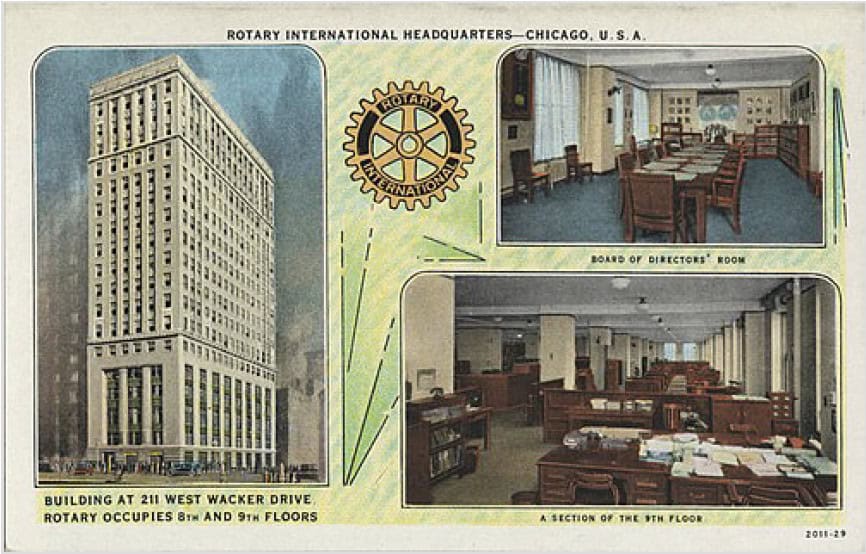
His best-known contribution was Rotary’s first official motto. At the 1910 Rotary convention in Chicago, Sheldon delivered an address arguing that lasting success could come only through right conduct toward others. He concluded with the statement, “He profits most who serves his fellows best.”
At the 1911 Rotary convention in Portland, a report Sheldon had prepared for the Committee on Business Methods was read because he was unable to attend. It contained the shorter expression “He Profits Most Who Serves Best.” The delegates adopted it as Rotary’s official motto. In 1950 Rotary formally recognized two official mottos, Sheldon’s phrase and “Service Above Self.” Sheldon’s wording was later changed for inclusivity, first to “They Profit Most Who Serve Best” and then to the current “One Profits Most Who Serves Best.”
Vocational Service and Organizational Structure
Sheldon’s influence on Rotary went far beyond its motto. He played an important role in defining what became Rotary’s concept of “Vocational Service.” He advocated a classification system under which individual members represented distinct trades and professions. This allowed a club to represent a cross-section of commercial and professional life while reducing direct competition between members in the same field. The system emphasized ethical responsibility within each member’s occupation.
He also helped shape Rotary’s early discussions of business ethics, arguing that commercial behavior should operate according to standards as definite as natural laws. Rotary founder Paul Harris later acknowledged Sheldon’s intellectual influence in his 1935 book This Rotarian Age, describing the importance of Sheldon’s conception of business as a science of service to Rotary’s higher purpose.
Naming of the Better Business Bureau
Sheldon is also credited with proposing the name “Better Business Bureau.” Before 1915, the organization operated on a more limited basis under the name “Better Advertising Bureau.” During a meeting in Indianapolis, Merle Sidener, who was active in the “Truth in Advertising” movement, told Sheldon that the existing name no longer adequately described the organization. Sheldon reportedly went to a blackboard and wrote “Better Business Bureau.” Sidener immediately approved of the phrase, which better represented an organization concerned with business conduct beyond advertising alone, and it was adopted as the permanent name.
The 1921 Edinburgh Convention and the Philosophy of Service
One of Sheldon’s most important later statements came at the 1921 Rotary Convention in Edinburgh, Scotland, the first Rotary convention held outside the United States. Sheldon delivered a forty-five-minute address setting out the ethical foundations of his business philosophy. The speech reportedly received a prolonged standing ovation and was later printed as The Philosophy of Service and distributed internationally to schools and institutions as a work on business ethics.
Sheldon argued that moral law in business was as certain as physical law. Service to other people was a form of enlightened self-interest, while profit followed right conduct instead of being its sole objective. His maxim “He Profits Most Who Serves Best” was meant to express a law of human relations extending beyond an ordinary business slogan. “The way to preserve self is to serve others,” he argued, while “Service to others is the road to self-construction.” Pure selfishness, by contrast, led toward “self-destruction.”
Every commercial exchange, in Sheldon’s system, created obligations on both sides. A salesperson was not merely an advocate seeking an advantage over the customer. The seller was a counselor responsible for understanding the buyer’s needs and rendering genuine service. Sheldon rejected business as a contest based upon shrewdness and advantage and placed fairness, truthfulness, and constructive cooperation at the center of lasting commercial success.
He also defined profit in a much larger sense than financial gain. Profit included the improvement of the individual and the community. After the Edinburgh convention, Rotary increasingly expressed its international purpose through the “ideal of service” and the promotion of international goodwill and peace, carrying the philosophy Sheldon had first articulated within American business into an international humanitarian organization.
Personal Life and Death
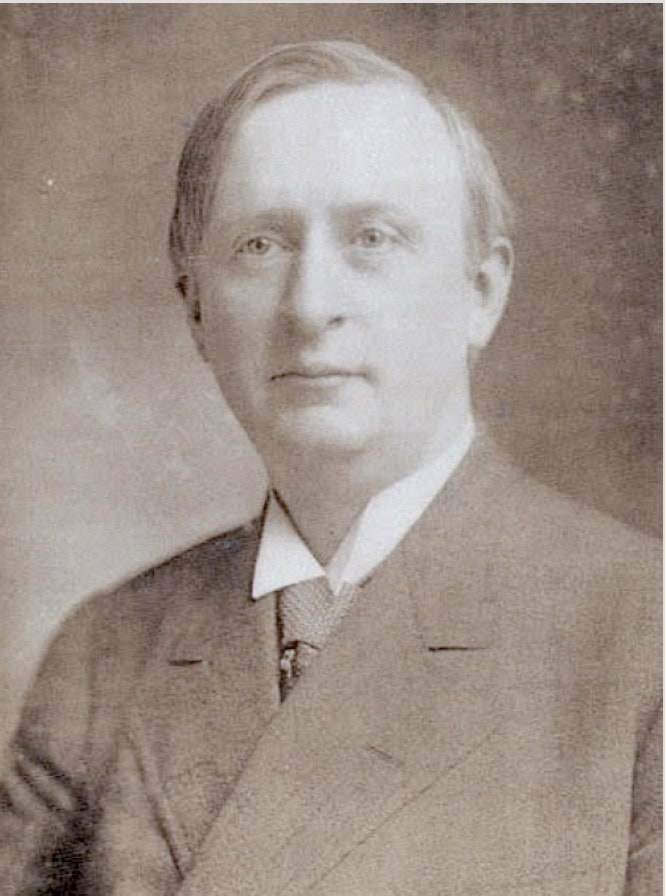
Sheldon married Anna Griffiths of Kingston, New York, in 1895. They had three children, a son and two daughters. During the years when Sheldon traveled extensively on national lecture tours, Anna frequently accompanied him as he promoted scientific salesmanship and his Philosophy of Service throughout the United States and abroad.
He was a life member of the Chicago Press Club, a Freemason, and a member of the National Arts Club of New York City. He was also made an honorary member of several Rotary clubs, including Kingston, New York, London, England, and Edinburgh, Scotland. During the late 1920s, after decades spent traveling, lecturing, publishing, and building organizations, Sheldon and his wife returned to Kingston.
Declining health led Sheldon to spend time at a vacation home in Texas during his final years. He died at his home in Mission, Texas, on December 21, 1935, at the age of sixty-eight. His body was returned to Kingston, New York, where he was buried at Montrepose Cemetery.
Sheldon’s career connected several worlds that are often treated separately in histories of the period. He began as a teacher and traveling book salesman, became involved with Parkyn’s psychology of suggestion, participated in Helen Wilmans’s New Thought and mental-science movement, helped transform suggestive psychology into a system of scientific salesmanship, built an international correspondence school with more than a quarter-million students, and carried his ideas about service and ethical commerce into Rotary International. The Sheldon School also remained tied through Parkyn, Edward E. Beals, Stanley L. Krebs, and William Walker Atkinson to the same Chicago network from which the Yogi Publication Society developed.
Sources & Citations
- PDF / Digital Archive. Halsey , John J., and C. Chamberlain Tracey. (1912). A History of Lake County, Illinois. R. S. Bates.
- PDF / Digital Archive. “Sheldon, a Name to Remember.” (March 1955). The Rotarian, p. 21.
- PDF / Digital Archive. Sheldon , Arthur F. (1913). The Business Philosopher: The Magazine of Practical Business Building. Science Press.
- PDF / Digital Archive. Herringshaw , Thomas William. (1926). Herringshaw’s American Blue-Book of Biography: Prominent Americans.
- PDF / Digital Archive. Marquis , A. N. (1911). The Book of Chicagoans: A Biographical Dictionary of Leading Living Men of the City of Chicago.
- Website. Schoenfield , Sonia. (August 16, 2014). “Arthur Sheldon.” Cook Memorial Public Library District.
- Primary Source. Sheldon , Arthur F. The Art of Selling, “Client Challenge.” Scribd.
- PDF / Digital Archive. University of Michigan Alumni Association . (1931). The Michigan Alumnus.
- PDF / Digital Archive. University of Michigan . (1923). Catalogue of Graduates, Non-Graduates, Officers and Members of the Faculties, 1837–1921.
- PDF / Digital Archive. Caduceus of Kappa Sigma . (1920).
- Newspaper. “Frank H. Dukesmith Works at Selling Encyclopedias with Sheldon.” (March 12, 1897). The Rochester Daily Post, p. 3.
- PDF / Digital Archive. Parkyn , Herbert A. (1900). A Mail Course in Suggestive Therapeutics and Hypnotism. Suggestion Publishing Company.
- PDF / Digital Archive. Occult Origins of Salesmanship .
- Newspaper. “Chicago School of Salesmanship.” (May 18, 1898). Chicago Tribune, p. 10.
- Newspaper. “Chicago School of Salesmanship, Frank H. Dukesmith.” (July 19, 1898). Spirit of Jefferson, p. 2.
- Newspaper. “Frank H. Dukesmith Starts the Chicago School of Salesmanship and Lists Parts of AIDA.” (August 14, 1898). Omaha World-Herald, p. 18.
- PDF / Digital Archive. Kennedy , Crawford Houston. (1964). The Clan Kennedy, pp. 280–282.
- Newspaper. “W. J. Chatterton Worked at Harvard, Yale, Johns Hopkins, and Penn, with Parkyn, Hudson and James.” (April 7, 1911). The Pomona Daily Review, p. 6.
- Newspaper. “W. J. Chatterton, Graduate of Parkyn, Opens Schools for the Parent School in Chicago.” (November 12, 1899). Richmond Dispatch, p. 3.
- Newspaper. “Frank H. Dukesmith Buys Property in West Virginia.” (November 15, 1898). Spirit of Jefferson, p. 3.
- Newspaper. “Frank H. Dukesmith Accepts Position with Obenchain & Boyer Fire Extinguisher.” (March 28, 1898). The Pharos-Tribune, p. 6.
- PDF / Digital Archive. Freedom , Vol. 7, No. 35. February 14, 1900.
- Website. “Biography of Helen Wilmans (1831–1907).”
- Newspaper. “Lake County 150: The Life of Helen Wilmans Baker Post.” Lake County News.
- Newspaper. NDNR. (November 10, 2017). “Helen Wilmans & Mental Culture.” Naturopathic Doctor News and Review.
- PDF / Digital Archive. Freedom Magazine Archive . IAPSOP.
- Letter. Tadajewski , Mark. (2011). “Correspondence Sales Education in the Early Twentieth Century: The Case of the Sheldon School (1902–39).” Business History, 53(7). DOI.
- Website. Caponi , Todd. (May 12, 2025). “The Man Who Invented Sales Training: Arthur F. Sheldon’s 1902 Legacy Lives On.”
- PDF / Digital Archive. Freedom , Vol. 9, No. 4. June 19, 1901.
- Website. Tadajewski , Mark. “Rethinking ‘Marketing as Applied Economics.’”
- PDF / Digital Archive. Sheldon , Arthur Frederick. (1911). The Art of Selling, for Business Colleges, High Schools of Commerce, Y.M.C.A. Classes and Private Students. Sheldon University Press.
- Newspaper. “Arthur F. Sheldon.” (February 23, 1904). Wood County Reporter, p. 3.
- Newspaper. “Arthur F. Sheldon Lectures.” (April 21, 1905). Santa Rosa Republican, p. 8.
- Newspaper. “Arthur F. Sheldon Lectures in California on Salesmanship and Science.” (June 9, 1905). The Record, p. 8.
- Newspaper. “Arthur F. Sheldon Lectures Across the Country.” (April 7, 1905). Oakland Tribune, p. 8.
- Newspaper. “Arthur F. Sheldon Gives a Lecture on the Science of Salesmanship.” (August 19, 1905). The Post-Intelligencer, p. 5.
- Newspaper. “Arthur F. Sheldon Lectures at Sphinx Club.” (March 24, 1905). Santa Cruz Surf and Superior California Farmer, p. 1.
- Newspaper. “Arthur F. Sheldon Advertisement for Lectures.” (April 16, 1904). Chicago Tribune, p. 2.
- Newspaper. “Arthur F. Sheldon Lecture in Memphis.” (February 6, 1906). The Commercial Appeal, p. 5.
- Newspaper. “Arthur F. Sheldon Lectures in Utah on Salesmanship.” (September 22, 1905). The Semi-Weekly Standard, p. 2.
- PDF / Digital Archive. Dukesmith , Frank H. (1904). Salesmanship: Magazine for All Who Sell or Have to Do with the Selling End of Business.
- PDF / Digital Archive. Sheldon , Arthur F. (1906). The Science of Successful Salesmanship.
- PDF / Digital Archive. Sheldon , Arthur Frederick. (1903). The Science of Successful Salesmanship: A Series of Lessons Correlating the Basic Laws Which Govern the Sale of Goods for Profit.
- PDF / Digital Archive. American Phrenological Journal and Life Illustrated . Fowler & Wells, 1909.
- Newspaper. “Sheldon School Becomes Best in the Country.” (January 26, 1905). The Omaha Daily News, p. 6.
- PDF / Digital Archive. Suggestion , Vol. 15, No. 4. October 1905.
- PDF / Digital Archive. The Business Philosopher Magazine Archive . IAPSOP.
- Newspaper. “Science of Salesmanship by the Sheldon School.” (January 26, 1905). The Omaha Evening Bee, p. 1.
- PDF / Digital Archive. Sheldon , Arthur F. (1911). The Business Philosopher: The Magazine of Practical Business Building. Science Press.
- PDF / Digital Archive. The Business Philosopher , Vol. 2, Nos. 7–12. July–December 1906.
- PDF / Digital Archive. Krebs, Stanley L. (1906). The Law of Suggestion: A Compendium for the People. Science Press.
- PDF / Digital Archive. Advertising & Selling . C. F. David, 1905.
- PDF / Digital Archive. Taber, Harry Persons, and Elbert Hubbard. (1906). The Philistine.
- PDF / Digital Archive. Occult Digest , Vol. 1, No. 5. June 1925.
- PDF / Digital Archive. The Business Philosopher . Science Press, 1908.
- Website. Iwamoto , A. “Who Invented and Formulated the AIDA Model?”
- Website. Jackson , Drew P. (2026). “The Mental Science Origins of the AIDA Model: Dr. Herbert A. Parkyn and the Chicago Formation of the Attention-Interest-Desire-Action Sequence.”
- Primary Source. “AIDAS Theory of Selling.” Scribd.
- Government / Archival Record. “What Is the AIDAS Selling Theory and What Are Its Benefits?” Indeed Career Guide.
- Website. “Mundelein History.” Village of Mundelein, Illinois.
- Website. Cook Memorial Public Library District . (April 19, 2017). “Mundelein: A History. Part Two: Salesmen and Seminaries, 1909–1929.”
- Website. “Arthur Sheldon.” Rotary Global History Fellowship.
- Website. “Did You Know?” Rotary Club.
- Website. “Historic Moments: When Rotary Became Intercontinental.” Rotary District 7030.
- PDF / Digital Archive. Rotary International . The Rotarian.
- Newspaper. “Rotary Club Pays Tribute to Arthur F. Sheldon.” (September 13, 1949). The Daily Freeman, p. 7.
- Newspaper. Skinner , Steve. (June 29, 2015). “He Profits Most Who Serves Best.” Aspen Daily News.
- PDF / Digital Archive. Rotary International . The Rotarian, p. 44.
- PDF / Digital Archive. Rotary International . The Rotarian, p. 33.
- Newspaper. “The Philosophy of Service by Arthur F. Sheldon.” (March 31, 1921). Hattiesburg American, p. 21.
- PDF / Digital Archive. “Service Above Self.” Rotary Club of El Paso. Archived December 16, 2025.
- PDF / Digital Archive. Paper: A Weekly Technical Journal for Paper and Pulp Mills. 1917.
- Newspaper. “Arthur F. Sheldon Obituary.” (December 22, 1935). Chicago Tribune, p. 18.
- Newspaper. “Arthur Sheldon Is Dead in Texas.” (December 27, 1935). Columbia Daily Tribune, p. 9.