

Yogi Publication Society History Project
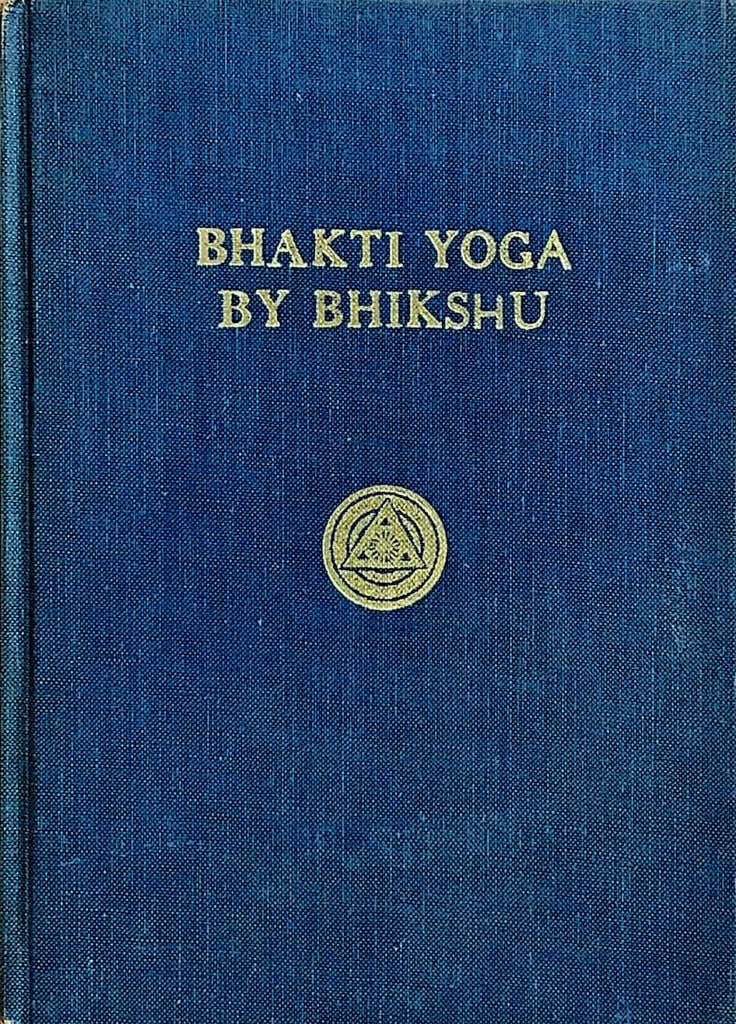
Bhakti Yoga

Bhakti Yoga

Author
Bhikshu
Publication Year
1930
Publisher
Yogi Publication Society
Copyright
Yogi Publication Society

About This Publication

A Series of Lessons in Bhakti Yoga authored under the pseudonym Bhikshu” focuses on the rationale, principles, and practices of the path of devotion within Hindu philosophy.

The book introduces the reader to the yoga of love and devotion. The text explains how an individual can direct their emotional energy toward a higher spiritual power to achieve union with the divine. It breaks down the philosophical reasoning behind emotional worship and offers practical guidance on cultivating pure, unselfish love. The chapters progress from basic concepts of devotion to advanced states of spiritual ecstasy, emphasizing that anyone can practice this path regardless of intellectual training. It remains an influential guide within the early twentieth-century American occult and New Thought movements.

Bhikshu

Swami Vivekanada

“Bhikshu” was a pseudonym used for a series of foundational texts published by the Yogi Publication Society during the late 1920s and early 1930s. The word Bhikshu (Sanskrit: भिक्षु) refers to a fully ordained male monk or ascetic in the Buddhist and Hindu traditions. Derived from the Sanskrit root meaning “beggar” or “mendicant,” it describes one who renounces worldly life, lives on alms, and devotes himself entirely to spiritual practice and the pursuit of spiritual liberation.

In the Vedantic tradition, a Bhikshu represents the ideal ascetic who seeks salvation and ultimate spiritual realization through a life of renunciation and discipline. Swami Vivekananda frequently referred to himself as a “Bhikshu” during his travels, using the title as a symbolic reminder of his chosen monastic path. It emphasized the life of a wandering monk, detached from material wealth and devoted entirely to the pursuit of spiritual truth. By adopting the pseudonym “Bhikshu,” the Yogi Publication Society invoked these same ideals of renunciation, disciplined study, and the search for higher knowledge.